Quantum internet enabled by space
In this webinar Gustavo Castro do Amaral will present a framework proposing the best possible route (ground/space/hybrid) to achieve the highest entanglement distribution rate between two given cities in Europe. The presentation will be followed by an open Q&A session, hosted by Charlotte Postma.
- Startdatum:
- Time:
- 14:30 - (CET)
- Location:
-
Online
- Costs:
-
Free
Quantum internet via space
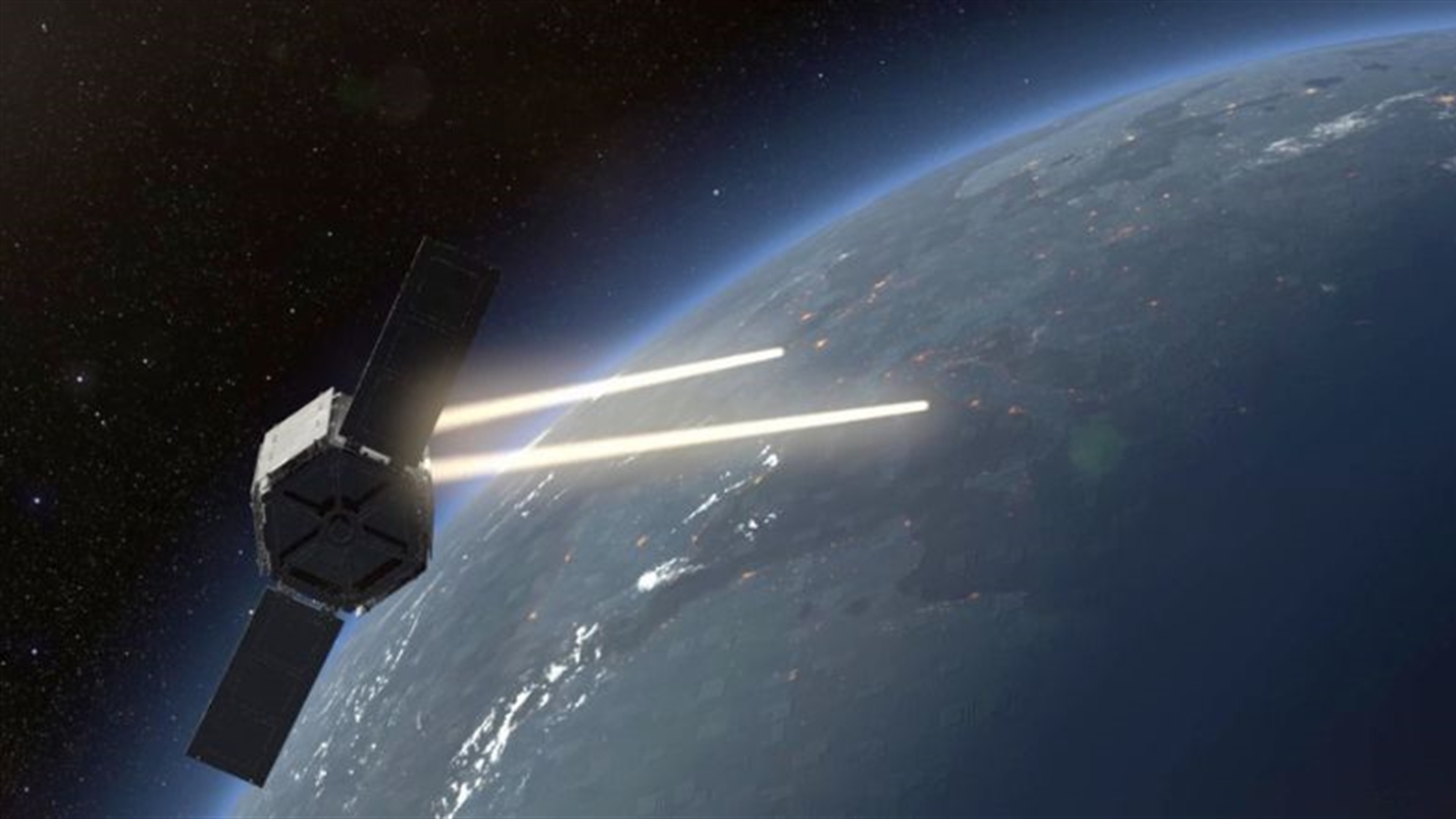
Quantum computing is expected to solve some of the biggest challenges of our time. From predictive analysis to material design, from pharmaceutical development to the processing of enormous data sets. Yet building a sufficiently powerful quantum computer is extremely challenging. A promising solution is to connect smaller quantum computers via a network in which quantum information is shared, so that their capacity can be combined. TNO has set an ambitious roadmap to make such a global quantum internet possible – and this will most probably require satellites in space.
Building on our combined know-how in quantum, free space optics and classical networks, TNO is working hard to enable quantum internet from space.
'Quantum communication benefits from
a ground-space switch in every city'
'Satellites might be vital to enable a global quantum internet'
Speakers
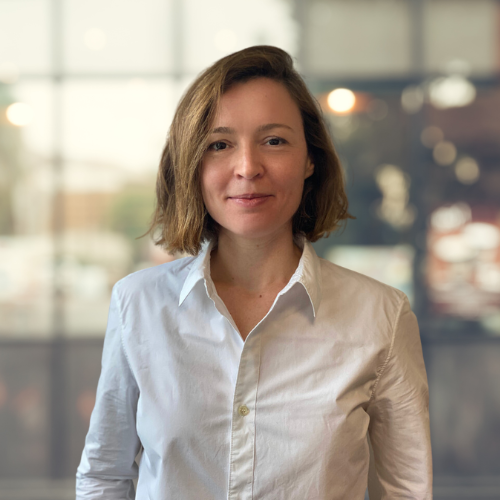
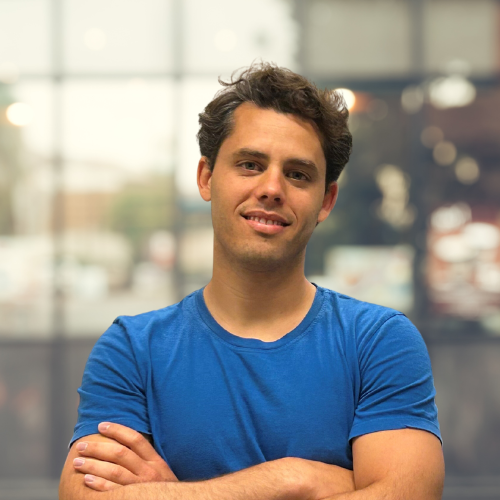
Programme webinar
Intro
During a short Pitch Charlotte will tell you all about the role of TNO in space quantum internet
Basics of Quantum Communications
Mini lecture by Gustavo
Ground and Satellite Quantum Links
Mini lecture by Gustavo
Building blocks of the Quantum Internet
Mini lecture by Gustavo
Wrap up
Q&A facilitated by Charlotte
Contact us
-
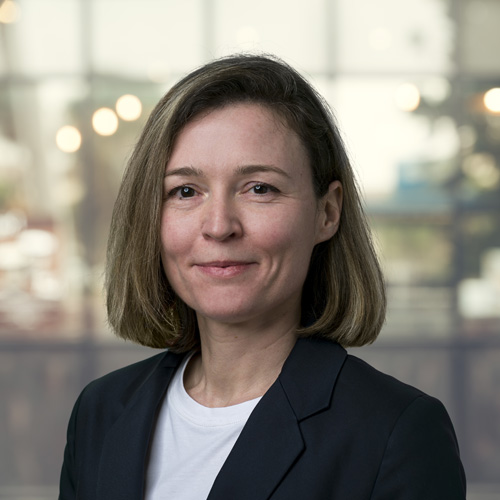
Charlotte Postma
Functie:Market Strategist - SpaceContact me to partner with TNO and grow knowledge and technology in Space Situational Awareness and Quantum Laser Satellite Communication. If you are an optical satellite manufacturer, I am very happy to also take you through what TNO can offer in terms of state-of-the-art instrument calibration campaigns.
-
Standplaats:Delft - Stieltjesweg
-
Email:Email Charlotte
-
Get inspired
Assuring Digital Identity
Why continuous knowledge development is crucial in munitions safety
How far can you travel in an electric car?
HyFINE: Pioneering sustainable routes for specialty and fine chemicals

From reactive to proactive: How organisations gain control over GenAI governance