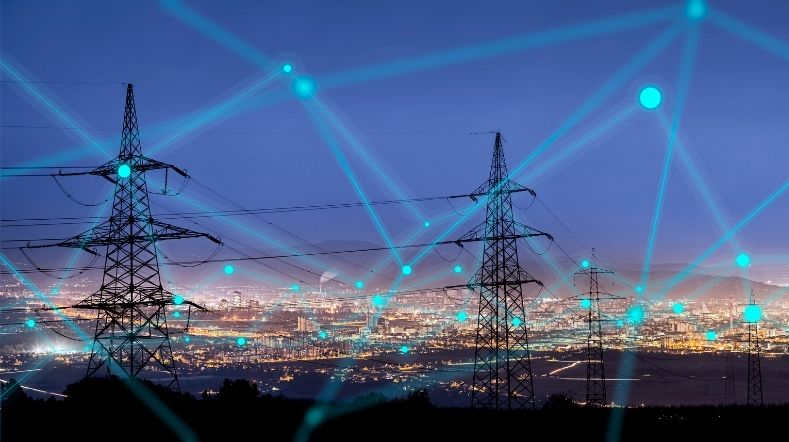
Digital Energy Systems
The energy system, particularly the current electricity grid, is one of the most complex and vital infrastructures humanity has ever built. To future-proof it, we have embarked on a large-scale renovation while keeping the system operational. This requires designing and building a smart, reliable system. Digitalisation is key. Discover how TNO, in collaboration with partners, develops innovative and flexible solutions that will be adopted in the market.
Current challenges
Future-proofing the electricity grid comes with enormous challenges. How do we maintain a continuous balance between supply and demand, with the growing supply of new renewable resources? How do we ensure the energy network grows and adapts to changing needs?
Reinforcing the electricity grid is expensive, if it is even sufficient. We need also smart and flexible systems, with buffers, batteries, and thermal storage. These solutions only work well if they can exchange data and are supported by user-friendly tools that communicate with each other. At the same time, these smart solutions bring new challenges, such as increased system complexity and security risks.
In addition to technology, the transition also requires solutions in policy, social acceptance, human capital, and data management. In other words, we are talking about a broad system transition.
Our vision
The energy transition requires an integrated system approach, with digitalisation playing a key role. This twin transition (digitalisation and energytransition) offers opportunities but also brings risks. Only together can we tackle new challenges. Think of developing standards, architectures, and engineering methods, as well as the safe and effective use of AI.
Smart technologies ensure better alignment between energy production and use, preferably as locally as possible. They also make better use of existing infrastructure, provide citizens and policymakers with more insight, and keep the energy system reliable and affordable. However, this is only possible if these digital solutions work harmoniously together.
An integrated system approach is indispensable for this. Every building block must fit within the larger whole, and this requires system thinking and a system approach at every level, involving all parties in the system. Together with the energy sector, we develop digital system solutions that make the energy system stable and resilient, ready for the future.
Electricity system in transition
Would you like to learn more about the dynamics of the field? Download the vision document ‘A Game of Situational Awareness’ by Aliene van der Veen.
Our solutions
The electrification of society requires a robust electricity network with sufficient capacity to handle future energy flows. This cannot be achieved without digitalisation: smart monitoring and predictive analyses enable better management and planning of grid load. An optimal mix of energy carriers also contributes to a sustainable and reliable energy supply.
Together with almost the entire ecosystem, we worked on a digital action agenda with the Ministry of Climate Policy and Green Growth. In this agenda, we translated with the ecosystem opportunities and prerequisites into actions needed for a robust and future-proof energy system. For example as TNO, we are developing an open-source Energy System Description Language.
To reinforce the electricity network, optimisation in construction and maintenance is essential. By increasing labour productivity in this sector and implementing more efficient working methods, grid expansions can be realised faster and at lower costs. Digitalisation plays a crucial role in this process.
A more flexible energy system requires new ways to balance supply and demand. In the future energy system, energy will be consumed closer to the source and, for example, used by your neighbours, reducing pressure on costly central networks. New communication protocols, such as S2, are needed to improve interoperability between devices and energy management systems. Digital innovations and data-driven solutions support this. At TNO, we are working on smarter flexible solutions and innovative business models to counter peak loads. We test these hybrid energy systems in our SWITCH lab.
For demand-driven energy provision, users and producers benefit from greater insight into each other's energy consumption and production. This new way of collaboration requires a different mindset. Situational awareness is key to success. Shifting from central to local at all system levels will increase the flexibility and resilience of the entire system.
Congestion management and network regulation are becoming increasingly digitalised. This digital transition brings new challenges in terms of resilience and cybersecurity. A robust design prevents disruptions from spreading and limits the impact of sudden fluctuations in energy use and production. This ensures the energy system remains reliable and resistant to both technical and geopolitical threats.
Practical example: open energy standards
Clear standards are essential. Without them, controlling devices becomes complex, costly, and difficult to scale across the energy system. The S2 Protocol is a communication standard for energy flexibility and energy management. It enables smart devices in homes and buildings to work together in a uniform way. TNO contributed substantive expertise to its development and works with partners to drive adoption by manufacturers, energy companies, grid operators, and other actors in the energy system.
From technical standardisation to system-level impact
Thanks to the steps taken in recent years to improve technical interoperability, the market can now scale up energy management both behind and in front of the meter. But to deploy these solutions effectively as part of the wider energy system, institutional barriers must be removed alongside technical ones.
Case in point: smart district energy
In the project "Netbewuste Nieuwbouw met Lokale Energie Flexibiliteit" (LEF), TNO works with Heijmans Energie, de Groene Metropool Regio, WePositive and Current to enable new residential districts in areas affected by grid congestion.
As part of the project, energy start-up WePositive is testing a district energy management system. This system intelligently connects homes, appliances and existing installations. By balancing energy locally, new-build developments become viable again and capacity is freed up on the electricity grid. Home energy management systems from Current, batteries from Victron and bidirectional shared vehicles from MyWheels can be deployed to absorb or supply electricity when needed. WePositive brings these energy assets together into one intelligent, scalable energy system, capable of scaling towards the energy market within the constraints of the existing energy infrastructure.
Within the project, the partners are developing a new form of value-chain collaboration around the district energy management system. This collaboration is essential to make the district feasible. Grid operators need confidence that the district-level system can deliver a predictable level of balance. That assurance starts at the construction stage: the district must be delivered with smart devices in place and with guarantees that future residents will make those devices available for district-level control. This requires an attractive governance and incentive model; one that preserves user comfort and keeps energy affordable.
Collaborating with TNO in the Twin Transition
Whether you are a startup, government agency, grid operator, or manufacturer: together we initiate the digital innovations our energy system needs. TNO supports you from vision development to concrete implementation, within your organisation or at the interface with others. Join us and accelerate the twin transition.
Contact us
-

Bas Huijbrechts
Functie:Business DeveloperBas Huijbrechts is a business developer for Digital Systems in the ICT, Strategy & Policy unit.
-
Standplaats:Den Haag - New Babylon
-
Email:Email Bas
-
-

Thomas van Dijk
Functie:Business DeveloperThomas van Dijk is a business developer in the DTES team.
-
Standplaats:Den Haag - New Babylon
-
Email:Email Thomas
-
Get inspired
Action Agenda for digital solutions in the energy system
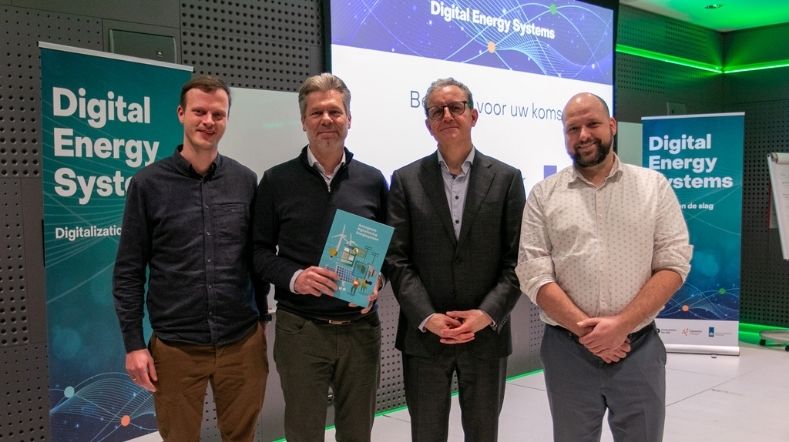
Electricity system in transition requires new strategy for success