Team Polar & TNO: Road to Antarctica
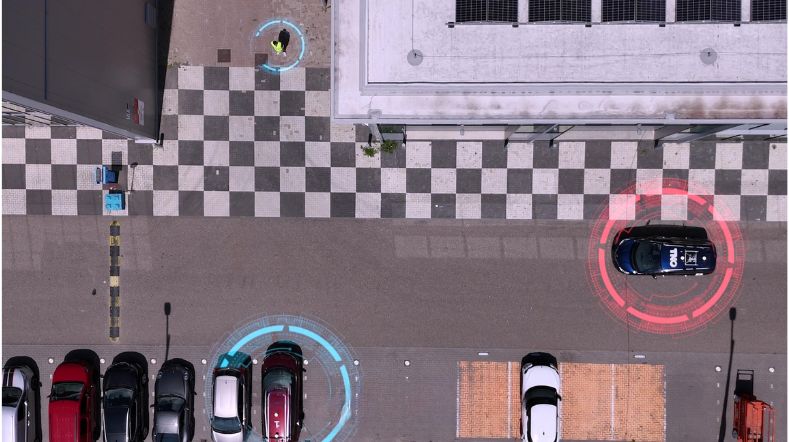
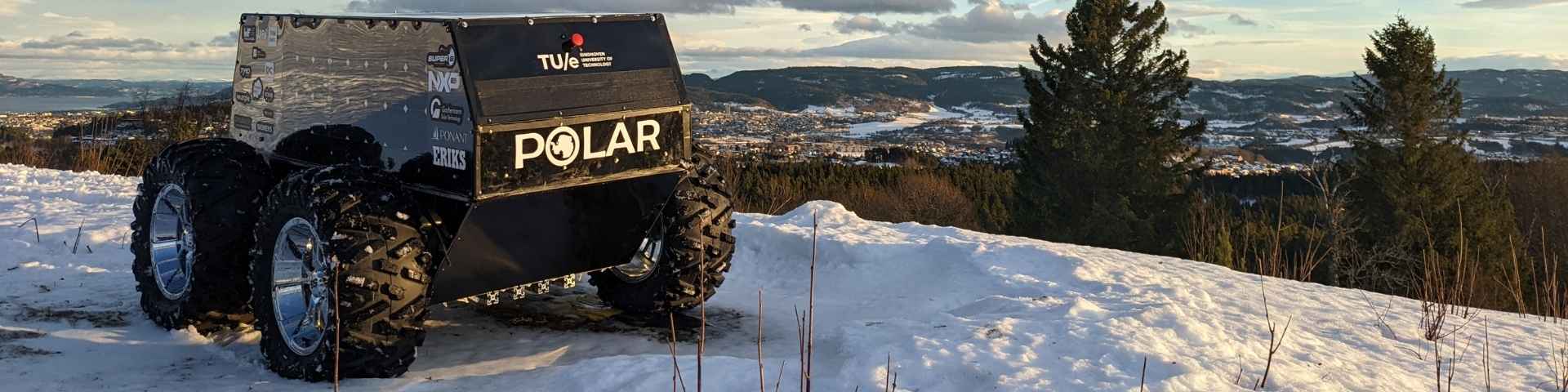
Walking across ice fields in temperatures of -40 degrees Celsius with wind speeds of 185 km per hour. These are just two of the challenges of doing research in Antarctica. Team Polar, which consists of a group of students from Eindhoven University of Technology, is developing an autonomous vehicle to make research at the South Pole more sustainable, affordable and efficient. TNO supports the team by sharing knowlegde of technology and facilities.
Why Antarctica?
Climate change is threatening our future. To face this crisis head on, we need to understand how climate change works. This can only be achieved by doing research in unspoilt places like Antarctica and the North Pole. Unfortunately, current research is inefficient and expensive because of scientists’ reliance on large vehicles that run on kerosene. Also, 80% of Antarctica hasn’t been explored yet because of the dangerous terrain there.
The success depends on the students pushing the boundaries of existing technology. Follow the journey in our Youtube series the Road to Antarctica.
Phase 2: Team Polar unveils next-gen sustainable vehicle Gentoo
In early 2025, Team Polar will have laid the foundation for the construction of the second sustainable, autonomous, and affordable vehicle: Gentoo. Named after the Antarctic penguin species, this rover will travel 1,000 kilometers across Antarctica.
Testing 3D printed tyre in temperatures of -40
In this fourth episode, Team Polar tests at TNO whether the specially made 3D-printed tyres can also drive in conditions of -40.
Testing autonomous system of Gentoo
How does an autonomous vehicle react in Antarctica, where the difference between snow and air is sometimes difficult to distinguish?
Team Polar in 2025
TNO supports the team by sharing knowlegde of technology and innovation, also in 2025. Find out what their next steps are in 2025 on the Road to Antarctica.
Phase 1: The Ice Cube Research Rover
Team Polar first developed the Ice Cube Research Rover. The rover needs to be highly capable. It needs to withstand the rugged terrain of Antarctica, be able to drive and steer itself, and generate and store its own energy. This requires, for example, solar panels that repel ice and snow, and heated batteries to ensure the rover can cover sufficient distances across the icy landscape.
Battery test of the Rover
Meet…The Rover. It will not drive without its power. But how low can the temperature go? Time to test the battery competence in a climate chamber at the Automotive Campus Helmond.
Testing solar panels in the snow
In the first episode, the student team takes us through every step of the adventurous journey to measure climate change in Antarctica. How do solar panels on the vehicle react to extreme conditions?
The students of Team Polar
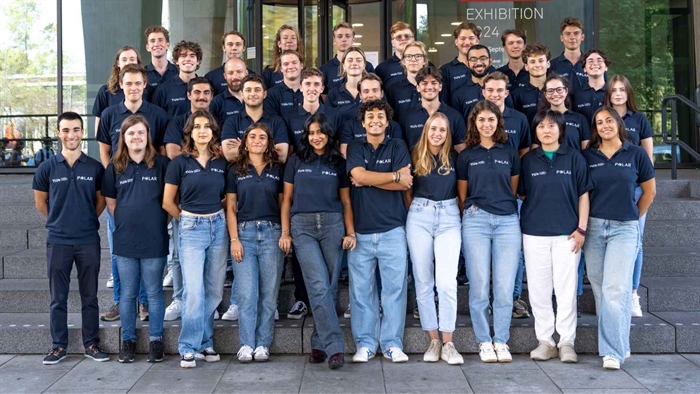
Team Polar consists of 57 students and is supported by various partners and experts. From diverse backgrounds, representing 10 different academic majors and 14 nationalities. Read more about the team on the Team Polar website.

‘As TNO, we’re not just standing on the sidelines. Our team of experts is helping Team Polar turn their wildest engineering dreams into reality.’
Pushing technological boundaries with TNO
The Rover’s success will depend on the students pushing the boundaries of existing technology.
TNO supports Team Polar by sharing its knowledge about a number of technologies, including:
- Autonomous driving
- Solar panels
- Batteries for cars
The students also have access to various labs and facilities, like climate chambers in which temperatures can be dropped down to well below zero.
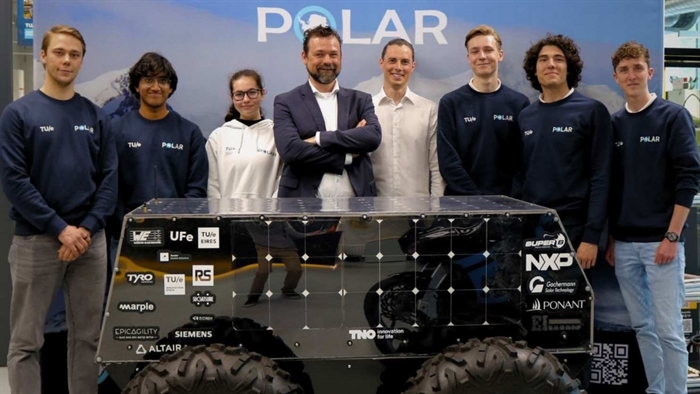

‘It’s really a new field we’re exploring. The last people we know of that did this was NASA back in the 2000s.’
Contact us
-

Magnus Moore
Functie:Deputy Research Manager – Cyber Security TechnologiesAs the Deputy Research Manager for the Cyber Security Technologies (CST) group at TNO Magnus brings a unique, multi-disciplinary background.
-
Standplaats:Den Haag - New Babylon
-
Email:Email Magnus
-
Kick-start your career at TNO with an internship, traineeship, or your first job
Get inspired
Korea-Netherlands joint conference on smart mobility for future transportation
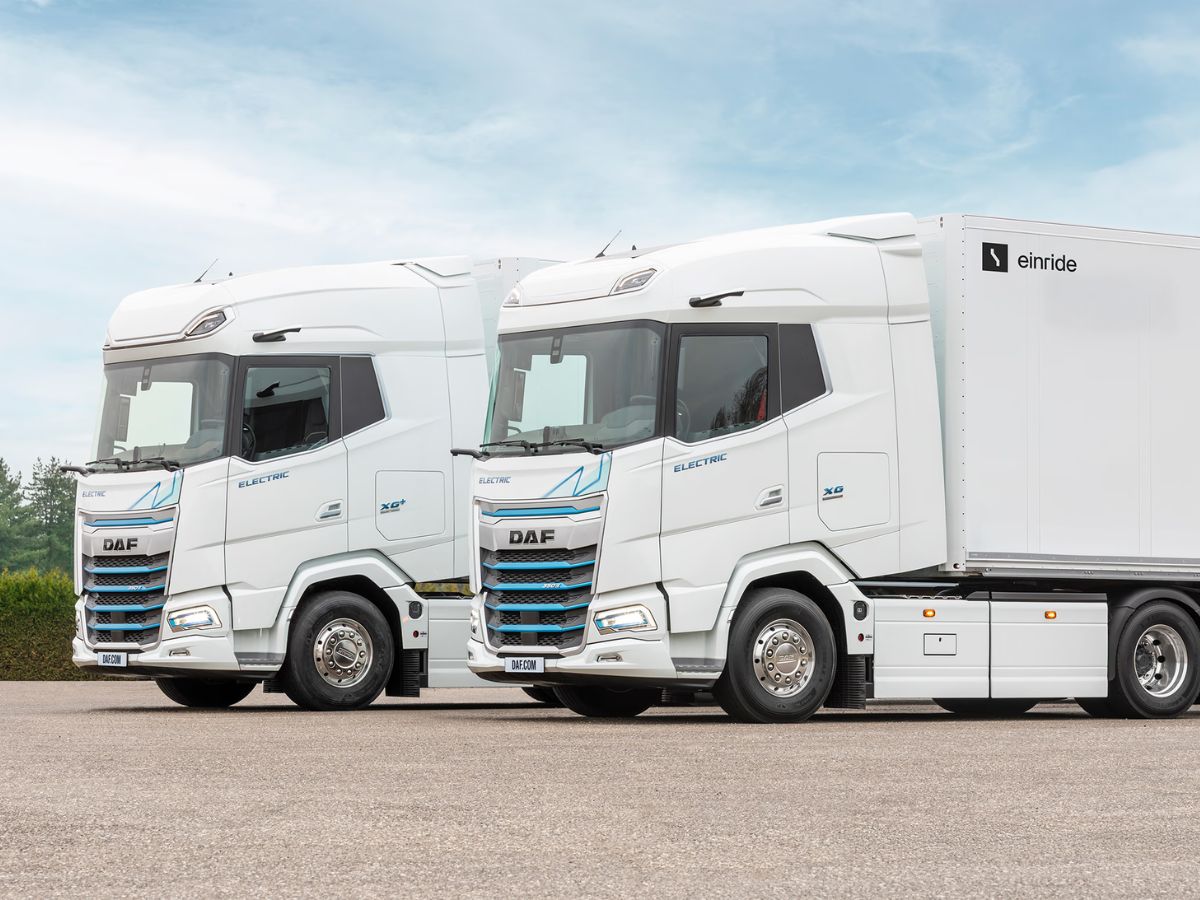
TNO, DAF and Einride collaborate to support deployment of Level 4 autonomous transport
Innovation Matters: TNO and Plantanious organise logistics for greater delivery reliability

Fewer trucks, fewer traffic jams, higher profits through smarter logistics

Automated driving: from smarter speed advice to depot automation for buses