2DIAREM
In cooperation with
TNO, healthcare and industry
Digital biomarkers for type 2 diabetes prevention and remission through personalised assessment that combines sensor-derived data with clinical and behavioural information to support stratification, monitoring and long-term disease management.
The challenge
Achieving and sustaining remission in type 2 diabetes requires better understanding of individual disease trajectories and responses to lifestyle and therapeutic interventions. Type 2 diabetes is a heterogeneous condition with substantial variation in underlying pathophysiology, progression patterns and treatment responses between individuals. Conventional endpoints, such as glycated haemoglobin measured at clinic visits, provide limited insight into day-to-day metabolic health and the dynamic interplay between diet, physical activity, medication and glucose regulation. This makes it difficult to identify which patients are most likely to achieve remission, to monitor progress towards remission in real time, or to detect early signs of relapse requiring intervention.
Healthcare providers managing type 2 diabetes need better tools to personalise treatment strategies, whilst patients pursuing remission would benefit from more granular feedback on their progress. Stakeholders include endocrinology and diabetes care teams, primary care providers, patients with type 2 diabetes seeking remission, diabetes prevention programmes and health systems working to reduce the burden of diabetes-related complications.
The project: 2DIAREM
2DIAREM focuses on developing digital biomarkers to support personalised assessment of type 2 diabetes remission within a Health~Holland consortium framework. The project recognises that remission is not a binary state but a continuous process requiring sophisticated monitoring and individual characterisation. The diabetyping approach seeks to stratify patients based on their underlying disease characteristics, enabling more targeted interventions and realistic remission goals.
TNO coordinates the project and contributes to data analysis and digital measure development, combining sensor-derived data with clinical and behavioural information. This involves developing analytical methods to extract meaningful patterns from continuous glucose monitoring, physical activity tracking, dietary information and physiological parameters. The integration of these diverse data streams provides a comprehensive picture of metabolic health that extends beyond what conventional clinical measures can capture. TNO's expertise in digital biomarker validation ensures that the measures developed are both scientifically robust and practically applicable in diabetes care settings.
The project supports improved stratification and monitoring of patients with type 2 diabetes, contributing to more personalised approaches to remission and long-term disease management. By identifying digital signatures associated with successful remission, the project aims to enable earlier prediction of which patients will respond well to specific interventions. Continuous monitoring through digital biomarkers may reveal patterns that precede relapse, creating opportunities for proactive intervention before clinical deterioration becomes apparent.
Looking to the future
The digital biomarkers and stratification approaches developed through 2DIAREM have potential to transform how type 2 diabetes prevention and remission is pursued and maintained. Integration into diabetes care pathways could enable more personalised counselling, with interventions tailored to individual metabolic profiles and real-time feedback supporting behaviour change. Future research will focus on validating these approaches in larger populations and demonstrating their impact on long-term remission rates and diabetes-related complications.
Collaboration between diabetes care providers, lifestyle intervention programmes, digital health technology companies and patient advocacy groups will be essential to translate these research findings into clinical practice. Concretely, this is now achieved in a collaborative implementation project with Ancora Health Ultimately, the project contributes to a shift from one-size-fits-all diabetes management towards precision medicine approaches that recognise and respond to individual variation, improving outcomes for patients pursuing remission.
Interested in collaborating?
Interested in digital biomarkers for diabetes prevention and remission or personalised diabetes management solutions? Contact us to discuss collaboration opportunities within the 2DIAREM consortium or related research.
Contact us
-

Willem van den Brink
Functie:Scientific lead Digital Biomarker LabContact me for collaborations in digital biomarkers, wearable health technology, and data-driven prevention. My team focuses on developing reliable and meaningful digital biomarkers that support the transformation toward preventive and personalized healthcare.
-
Standplaats:Leiden - Sylviusweg
-
Email:Email Willem
-
-

Kristel Kamstra
Functie:Scientist IntegratorMy expertise is in designing, conducting, and coordinating clinical (validation) studies across various healthcare domains. I have experience with remote patient monitoring, using various wearables, connecting partners, and all operational aspects of valid clinical study execution. Contact me for clinical study design and coordination.
-
Standplaats:Leiden - Sylviusweg
-
Email:Email Kristel
-
-

Annika van Rosmalen
Functie:Business Developer-
Standplaats:Leiden - Sylviusweg
-
Email:Email Annika
-
LinkedIn:Annika on LinkedIn
-
Get inspired
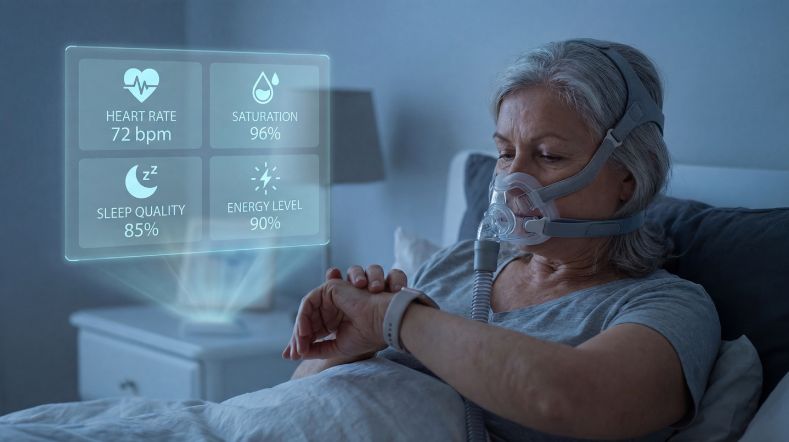
Beyond the breath count: patients want meaningful digital metrics in sleep apnoea monitoring
DIMPLAD: Empowering early recognition of Alzheimer’s with user-centered digital solutions
IBDigital Project Starts at ECCO Conference in Berlin

How can AI help reduce pressure on our healthcare system?

Health applications