In the future, our electronics will simply come out of the printer
From broken phones to worn-out sensors, we produce more than 60 million tonnes of electronic waste worldwide every year, but less than 22.3% is recycled responsibly. The rest ends up in furnaces or landfills, with harmful effects on soil, air and health. Meanwhile, valuable raw materials are lost. TNO’s Stephan Harkema felt that had to change. His team is working on printed electronics, a technology that will radically change the way we design and manufacture electronics. ‘This offers huge opportunities for a new industry in the Netherlands’, says Harkema. ‘I can already envisage it: electronics, made in Europe.’
The circuit board will be a thing of the past
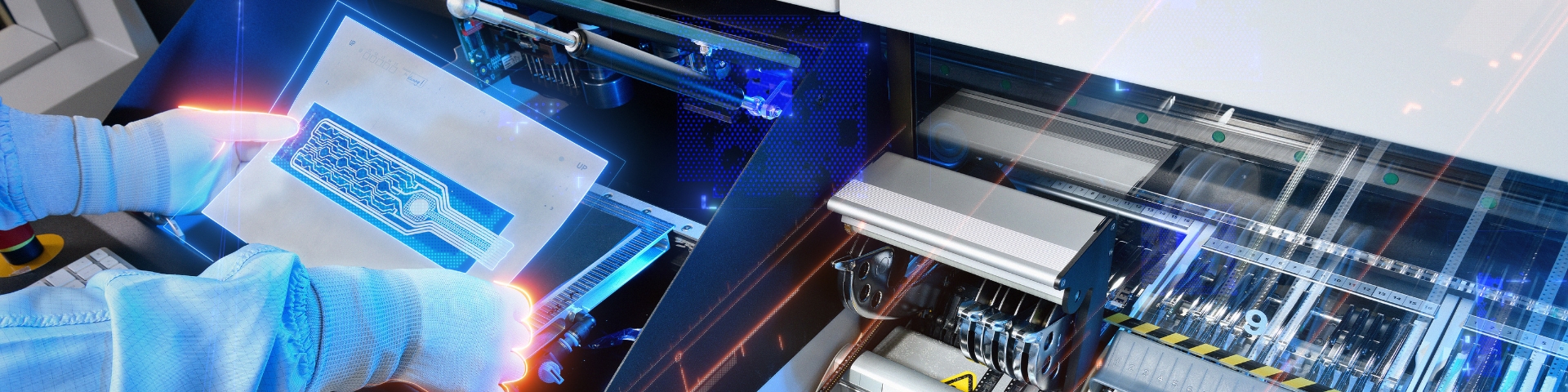
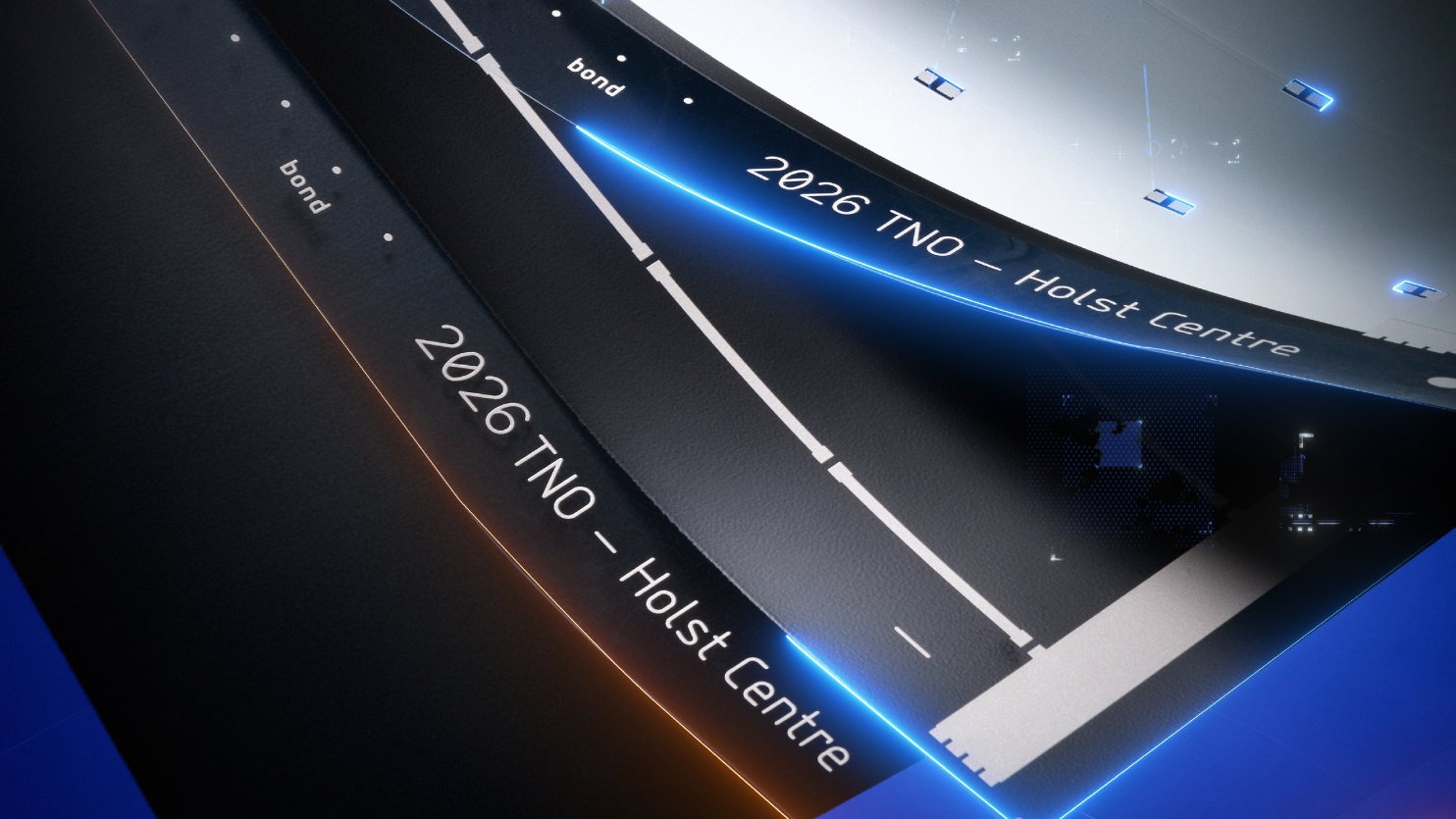
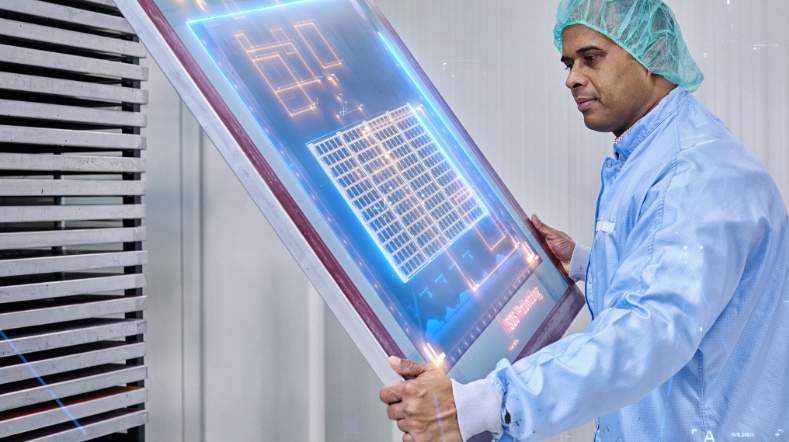
Printed circuit boards (PCB’s) are in almost every device, and they are made of non-recyclable plastic containing fibreglass, copper and rare metals. TNO has reinvented that manufacturing process with printed electronics: an alternative in which layers are printed instead of etched. The result? Less material, fewer machines, no water use and much more design freedom.
The future of electronics is printed
Stephan Harkema, the Sustainable Electronics programme manager, explains: ‘The manufacturing process alone is more sustainable and efficient. We use less material, no water and far fewer chemicals. At TNO, we combine that with innovations in ecodesign, bio-based raw materials and sustainable end-of-life processing of plastics and metals.’
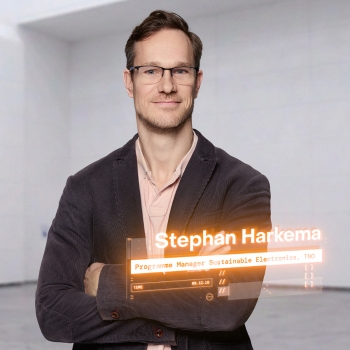
'With printed electronics, we make the manufacturing process itself more sustainable: less material, no water, far fewer chemicals, and greater design freedom.'
The benefits of printing
Printed electronics are thin, light, and flexible. They can be made in many forms, even integrated into clothing or as a ‘patch’ on the skin, says Harkema. ‘You can also choose other materials: Copper or carbon instead of silver, recycled plastic instead of plastic with fibreglass. This creates affordable, sustainable and ultimately even compostable alternatives.’
A key innovation by Harkema is an extra layer in the manufacturing process, which makes products easy to take apart. ‘That way you can replace parts without throwing away the whole circuit, making repairs possible without compromising on reliability or longevity. It delivers up to a 40-50% carbon reduction compared to traditional PCBs.’
Radically different
Many measures against e-waste are stopgap solutions. Harkema has a different aim: ‘Our mission is to develop technology that enables truly sustainable electronics. Recycling is actually the bare minimum. Repairing, refurbishing and replacing toxic substances, that has even more of an impact. With printed electronics, it can be done. We innovate to prevent problems, not to solve them after the fact.’
'Our mission is to develop technology that truly enables sustainable electronics.'

Realistic alternative for the industry
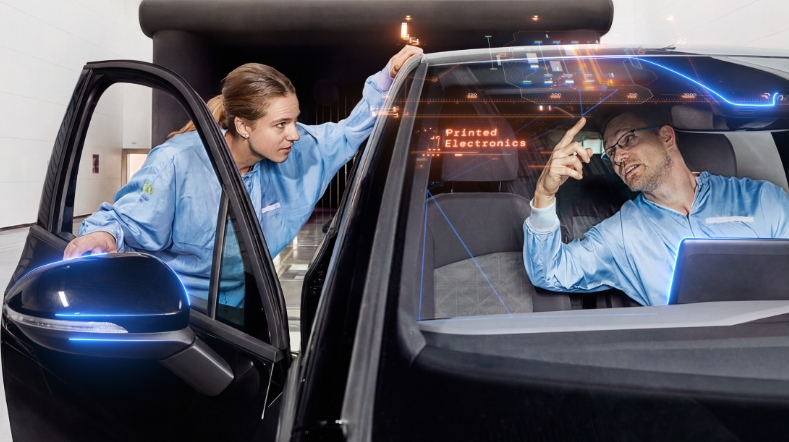
Bringing new products to market is difficult enough, let alone doing so in an environmentally sound way and in accordance with ‘right to repair’ legislation. ‘That is why we help companies with realistic alternatives. Everything we develop must be easy to implement for companies. This technology is already proven in the automotive sector, lighting and healthcare, and many more applications are possible.’
Made in Europe
Europe is currently dependent on other countries for circuit boards and critical materials. ‘This is a huge opportunity for the Netherlands and Europe to reshore production’, Harkema concludes. ‘E-waste contains metals worth tens of billions. Why throw that away? Especially now that we have such a fantastic new manufacturing process. I can already envisage the product label: printed electronics, made in Europe.’
More on printed electronics
Contact us
-

Stephan Harkema
Function not known-
Standplaats:Eindhoven - Holst Centre
-
Email:Email Stephan
-
Get inspired
From non-recyclable to sustainable electronics: how TracXon is scaling the technology
Time setter in the spotlight: the tech by Iris Kerkhof that you can feel on your skin
Industrial photonic chip factory in Eindhoven launched
Touchwaves raises €1.5 million to accelerate development of next-gen wearable technology for NATO air forces