Time setter in the spotlight: the tech by Iris Kerkhof that you can feel on your skin
Innovation is all around us. It makes our world safer, healthier and helps us cope with climate change. We employ people who really make their mark on our time. In this series, we spotlight these time setters. Time setter Iris Kerkhof is a specialist in printed electronics. Her work? Making sure every tiny component, from LEDs to resistors and chips, is in the right place. ‘Everything has to work together as a single whole. For each new application, we devise a new setup. That requires creativity, because it has often never been done before.’
From smart patches to recyclable PCBs
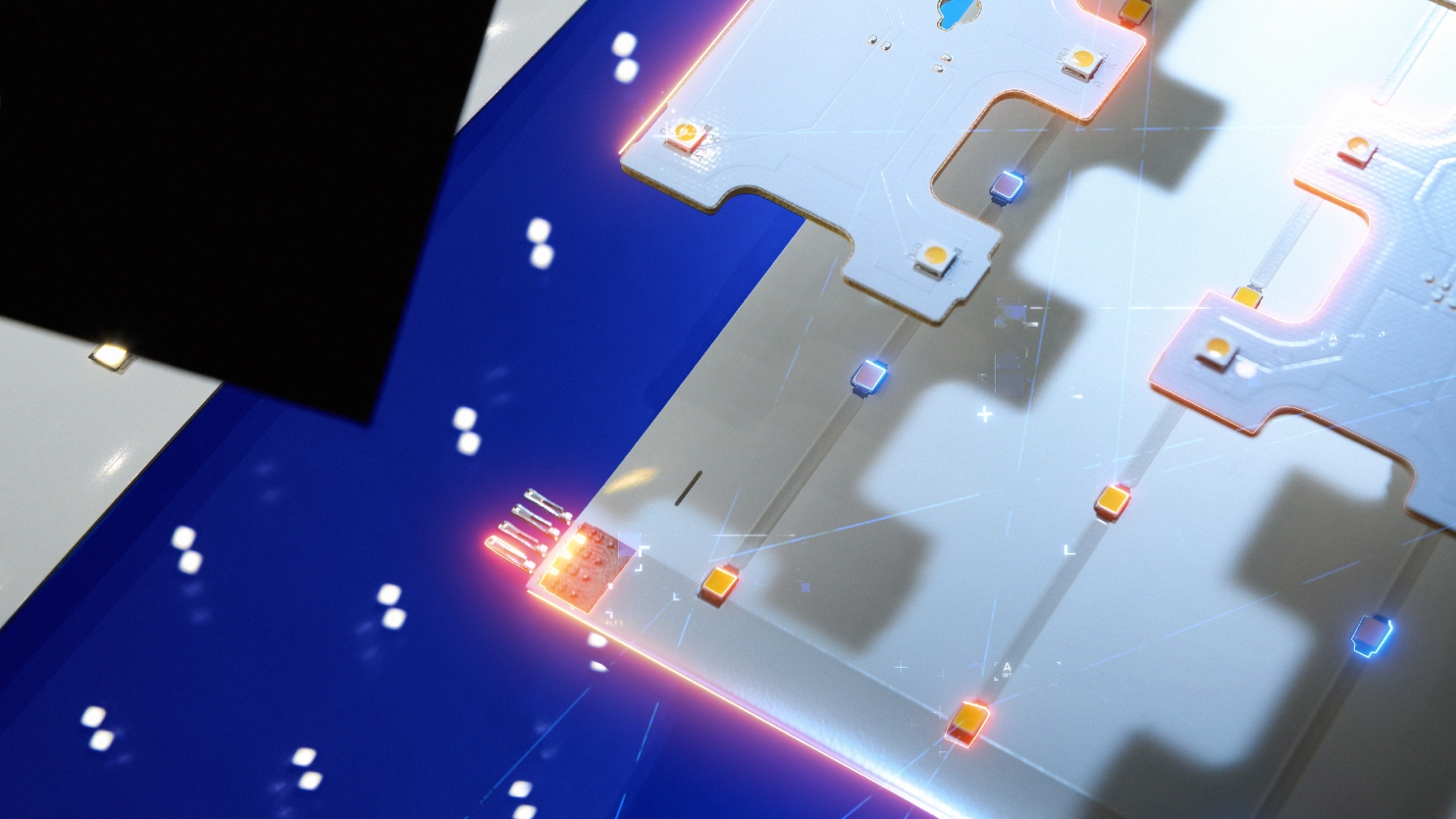
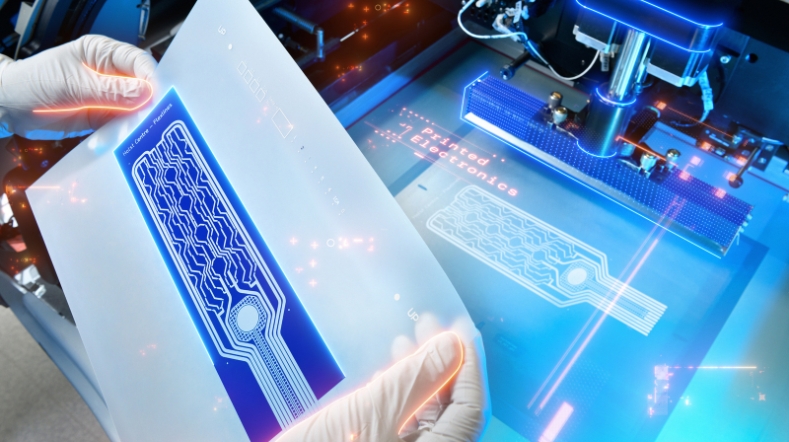
The possibilities of printed electronics are endless: from smart patches to recyclable Printed Circuit Boards. Iris Kerkhof explains: ‘Printing electronics allows us to use new materials and shapes. This allows us to make products that are not only technically advanced or more comfortable, but also more sustainable. The process is very sophisticated: first we print conductive paths, then we place tiny parts using pick-and-place technology. The result? Electronics that are thin, flexible, and even stretchable.’
Pushing boundaries
Together with colleagues, from process technologists to materials engineers, Kerkhof is always looking for new solutions. Recyclable? Compostable? More complex functions? ‘If we solve those puzzles, a world of applications will open up, such as microLED screens, chip packaging and medical wearables that are both reliable and recyclable.’
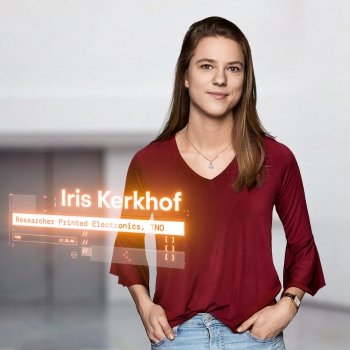
'By printing electronics, we can use new materials and forms. This allows us to make products not only more comfortable and technologically advanced, but also more sustainable.'
From trainee to specialist
Iris joined TNO for an internship during her higher professional course in applied natural sciences at the Fontys University in Eindhoven. She completed her internship at TracXon, a deep-tech spin-off from TNO that has pioneered the transition from lab-scale to industrial-scale production of hybrid printed electronics.
Iris then stayed on as a working student. After a graduation internship at TracXon, she returned to TNO. ‘At that start-up, I saw up close how TNO helps new companies grow. That gave me a whole new perspective.’
She has now been working as a researcher at TNO for over two years. ‘I get a lot of freedom here. For example, I got to single-handedly complete the demonstrator for a new soldering method, which my team had been working on for some time.’
Technology that touches people
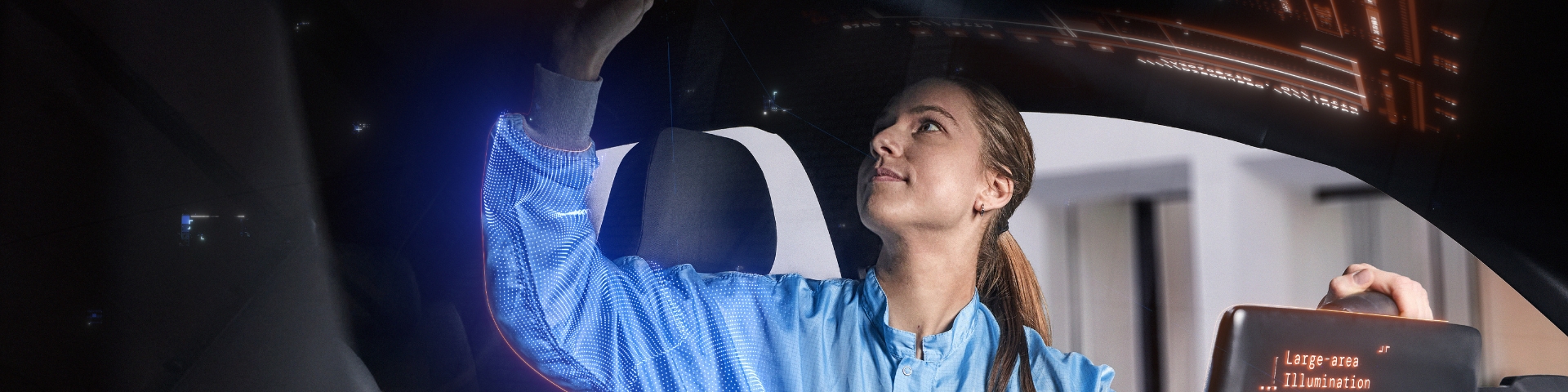
Wearables, smart patches you wear on your skin, are her favourite. ‘They measure health, in the hospital or just at home. Thanks to printed electronics, they sit more comfortably on the skin and are less disruptive to a patient’s daily life. We can even add new features, such as ECGs or echocardiograms.’ Recently, Iris saw her work come to life during a test with participants in a room with reduced air pressure. ‘That’s when you realise: my work is really going to help people.’
Creative puzzling
Not every issue is straightforward. ‘Sometime I’m at my wits’ end. You can’t ask anyone how they did that two years ago. What I’m working on has often never been done before. But when you succeed, it’s enormously satisfying.’
Learning by doing
At TNO, Iris is given the space to choose her own path. ‘I learn mostly by seeing and experiencing things. So I recently visited an international trade fair. I take the ideas that emerged there back to the lab. It’s nice that TNO listens to what I need.’
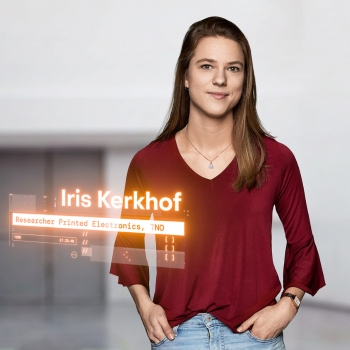
'During tests with trial participants, you see your work come to life. That’s when you realise: this is truly going to help people.'
Conscious and skilled
Working on printed electronics also makes Iris more conscious of sustainability. ‘This summer, a friend wanted to throw away her broken electric piano. I couldn't let that happen! I took it apart, repaired it, and now play it almost every day. Because of my work, I look at electronics differently and I have the skills to fix that piano, for example.’
Want to become a time setter?
Do you want to work on the world of tomorrow through groundbreaking projects?
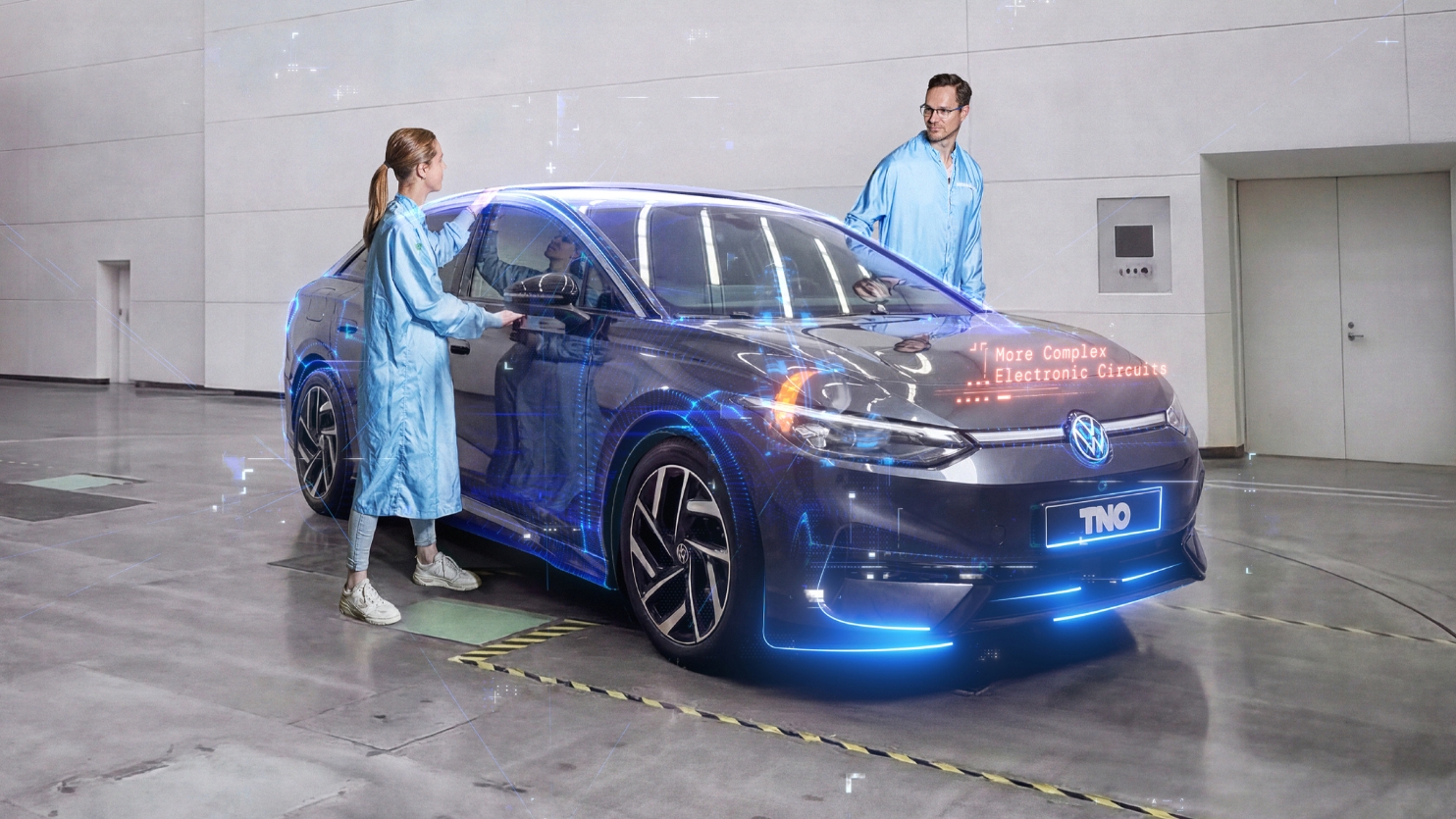
More on printed electronics
Curious to explore other perspectives on printed electronics? Take a look at the work of our researchers and the story of spin‑off TracXon.
Contact us
-
Stephan Harkema
Function not known-
Standplaats:Eindhoven - Holst Centre
-
Email:Email Stephan
-
Get inspired
From non-recyclable to sustainable electronics: how TracXon is scaling the technology
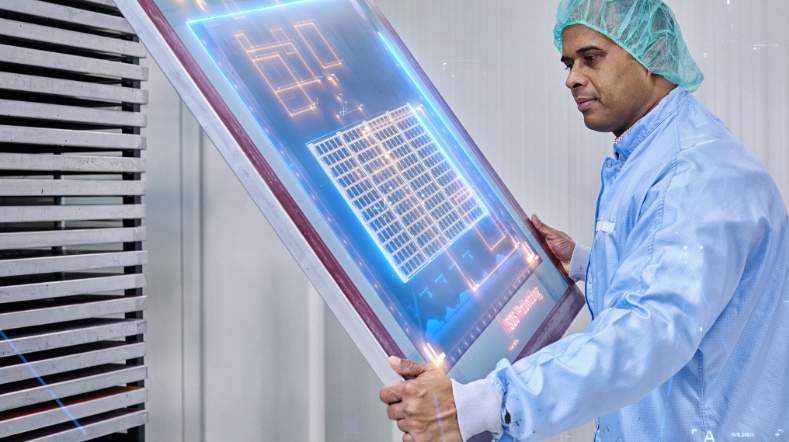
In the future, our electronics will simply come out of the printer
Industrial photonic chip factory in Eindhoven launched
Touchwaves raises €1.5 million to accelerate development of next-gen wearable technology for NATO air forces