Circular economy
In a circular economy, there is no waste and raw materials are reused time and again. Cities are not just places to live; they also contain a vast “urban mine” of reusable materials. At TNO, we work on applications that will help achieve a fully circular economy by 2050. Think of technologies that turn discarded plastics into new plastic materials. We also support the construction sector in accelerating the shift towards biobased and circular building. Read all about the circular economy and discover the innovative solutions TNO is developing.
With technical, social and economic expertise, we support governments and businesses on their path towards further sustainability. By taking a holistic view of the opportunities and working closely across TNO’s different fields of expertise, we provide the right answer to every question, whether it concerns a policy challenge or a technological issue.
All about the circular economy
A circular economy is an economic system that minimises the use of raw materials and the generation of waste by keeping products, materials and resources in circulation for as long as possible. This is achieved through reuse, repair, refurbishment, remanufacturing and recycling.
Dutch policy aimed at achieving a circular economy is set out in the National Circular Economy Programme (NPCE). This programme defines national goals and the measures the Netherlands is taking to become fully circular by 2050. It focuses on four circularity strategies:
- Reducing raw material use: using fewer (primary) raw materials by avoiding products, sharing them or making them more efficient;
- Substituting raw materials by:
- replacing primary raw materials with secondary raw materials;
- using sustainable biobased resources as high‑value as possible;
- deploying alternative, more widely available raw materials with a lower environmental impact;
- Extending product lifetimes: using products for longer through reuse and repair, thereby slowing the demand for new raw materials;
- High‑value processing of materials: closing the loop through recycling of materials and raw materials, reducing incineration and landfill while increasing the availability of high‑quality secondary raw materials.
Like metals, wood, glass and ceramics, plastics are crucial to society. This will not change in the coming decades, as their unique properties make plastics highly versatile. They are used in countless products, from packaging and textiles to cars.
Unfortunately, many plastics are not yet sustainable. Currently, only 30% of plastics are recycled, while a large share is incinerated. Plastics also have a downside due to the formation of microplastics, which pose a potential risk to human health and the environment.
Even if fossil oil were replaced by biomass as a feedstock, this would only be a partial solution. Litter and other problems would remain. The only viable future scenario therefore involves a transition to a circular plastics economy that significantly reduces its own raw material and energy use.
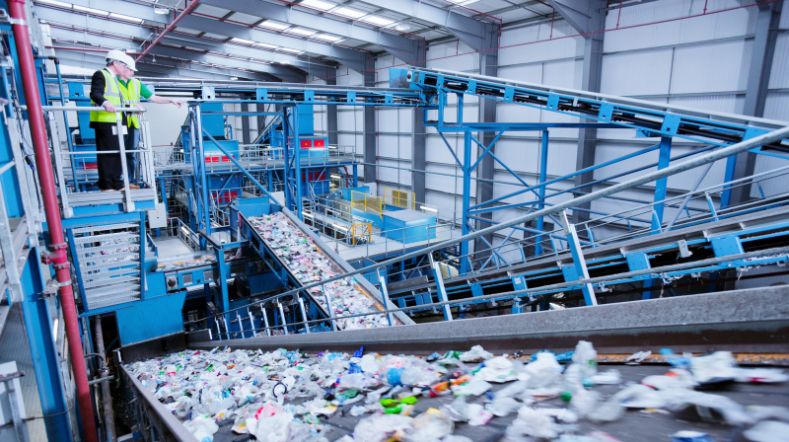
A key question today is how we can turn plastic waste into new plastics. At present, this is mainly done mechanically: waste is shredded and remelted into recycled plastic. This can lead to a loss of quality and residual contamination, meaning it can no longer be used for applications such as food packaging.
More advanced technologies are also available, such as dissolution, where contaminants are removed using solvents. And thermochemical recycling (gasifying plastics), which breaks plastics down to their original building blocks. These can be used to produce new, pure plastics with the same quality as virgin plastics.
- Protecting the environment and reducing CO₂ emissions
- Reducing dependence on raw materials (increasing strategic autonomy)
- Creating jobs and saving costs
It is important to always separate glass packaging, paper, textiles and PMD (plastics, metals and drink cartons) from residual waste. For plastics, please note the following sorting tips:
- Empty plastic packaging thoroughly, but do not rinse it. This saves water, as cleaning is done more efficiently during recycling.
- Bags with a metallic layer (such as crisp or soup pouches) may now be disposed of with plastic waste, as can empty blister packs from medicines.
- Do not place leaking inflatables such as air mattresses or swimming rings in plastic waste (chlorides in PVC disrupt recycling); take them to the recycling centre instead.
- All polystyrene (EPS) should also be taken to the recycling centre, not placed in PMD.
- For plastic yoghurt cups with cardboard sleeves: remove the cardboard completely, as paper disrupts recycling.
- Squeeze the air out of bottles and drink cartons to reduce volume.
When buying products:
- Plastic packaging with a light grey haze (such as salad or fruit trays and juice bottles) is often made from recycled plastic.
- Sturdier half‑litre bottles (for fresh juices or vitamin drinks) are often made from multi‑material plastics, which are more difficult to recycle.
Circular raw materials transition
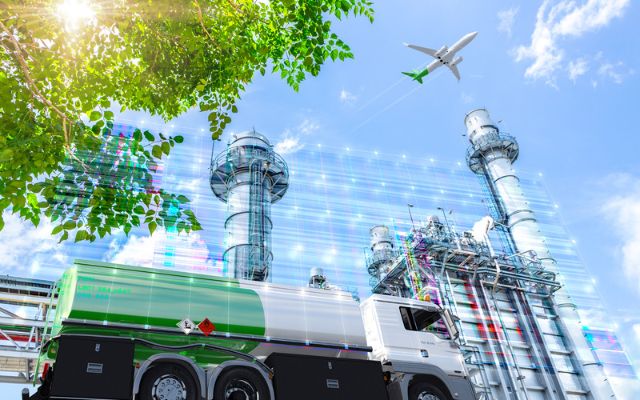
We develop innovative technologies that are essential for the transition to circular materials and renewable energy. Our technologies convert waste, CO₂ and biobased feedstocks into fuels, chemicals and plastics. Thanks to our R&D expertise, systems perspective, independent position and broad networks, we are able to support and connect a wide range of stakeholders involved in the circular transition.
Sustainable materials and products
We develop and scale up sustainable materials based on the Safe & Sustainable by Design principle. We do this by combining our unique expertise in material properties with in‑depth laboratory knowledge and advanced modelling capabilities. Our materials are easy to recycle, contain fewer critical or harmful substances, save energy, have a low environmental impact and offer smart functionalities.
Work with us in strategic partnerships. Together, we increase the impact of our technologies and accelerate market introduction.

Circular and industrial construction
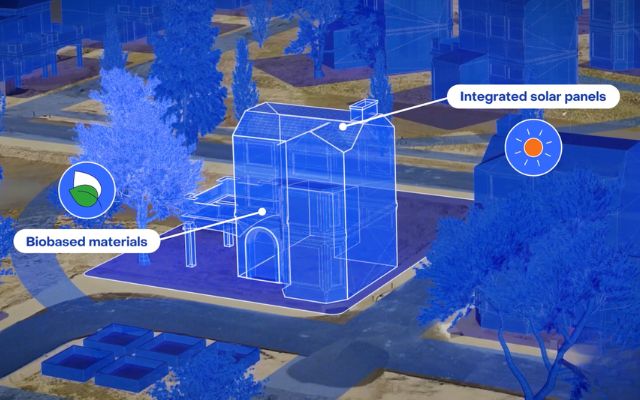
In the coming years, a great deal of construction and renovation will be required. Only by building in a circular and industrial way can this be done responsibly. Our strength lies in developing, scaling up and making circular and industrial innovations usable in practice. In the meantime continuously addressing the key challenge of making every solution safe, sustainable and affordable.
Get inspired
Fieldlab Industrial Electrification pilot hall in SubZero Rotterdam
Fewer microplastics and higher yields in plastic recycling
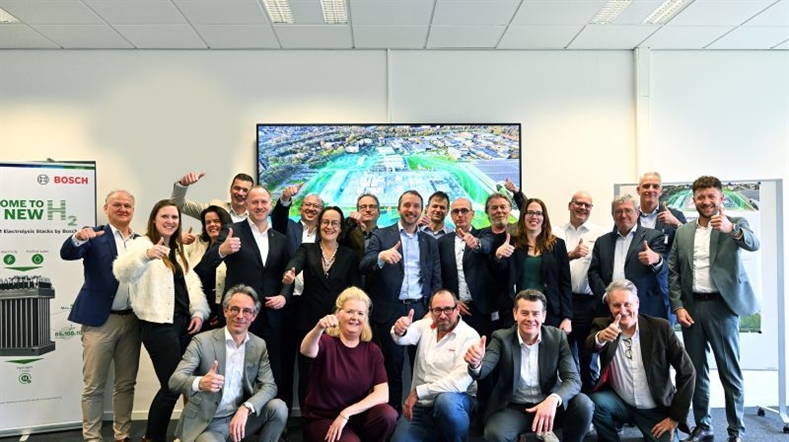
Letter of intent for a Power‑to‑X campus in Tilburg
Innovations in Sustainable Fuels, Chemicals and Energy Carriers
TNO and A*STAR ISCE2 to pioneer with an electrified CO₂‑to‑EO pathway