MOMENTUM 3.0
Status project
2025 -2029
In cooperation with
17 partners
Microplastics are tiny plastic particles that are generated at all stages of plastic use. They are present in the air we breathe, the water we drink and the food we eat. These microplastics are mainly formed through the breaking down and wear of larger objects such as tyres, clothing, kitchenware and packaging. However, the effects and risks for human health are still largely unknown. Through our research, we aim to better understand these impacts and work on innovative solutions.
Creating MOMENTUM
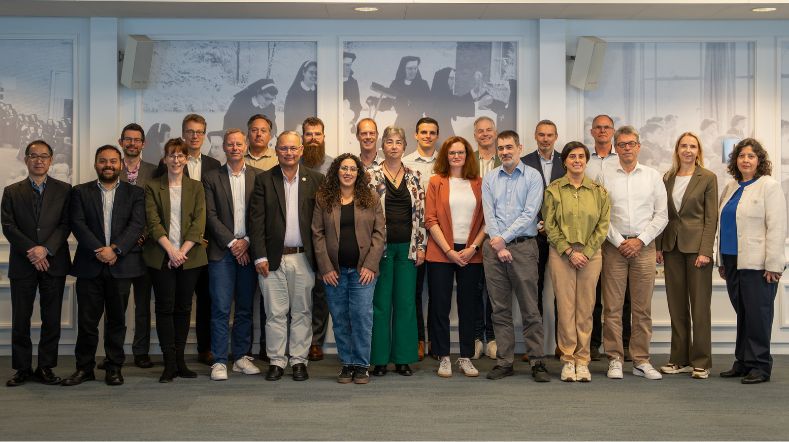
In 2018, ZonMW funded a number of breakthrough projects on the health effects of microplastics. The knowledge from these projects was subsequently brought together in the Microplastics and Human Health Consortium MOMENTUM. Universities, research institutes and companies join forces in this consortium to map risks to human health and to develop solutions. In 2025, a new phase started MOMENTUM 3.0.
Test materials
High quality test materials are one of the foundations of microplastics research. For a long time, however, these were lacking. By combining its expertise in plastics and particles, TNO, together with several partners in MOMENTUM 1 and 2, developed realistic microplastic test materials. These materials were used in the project to investigate health effects. Because the particles are both realistic and well standardised, results can be compared more reliably across studies.
More information
Read more about this topic in the paper 'Protocol for the production of micro- and nanoplastic test materials'.
Exposure
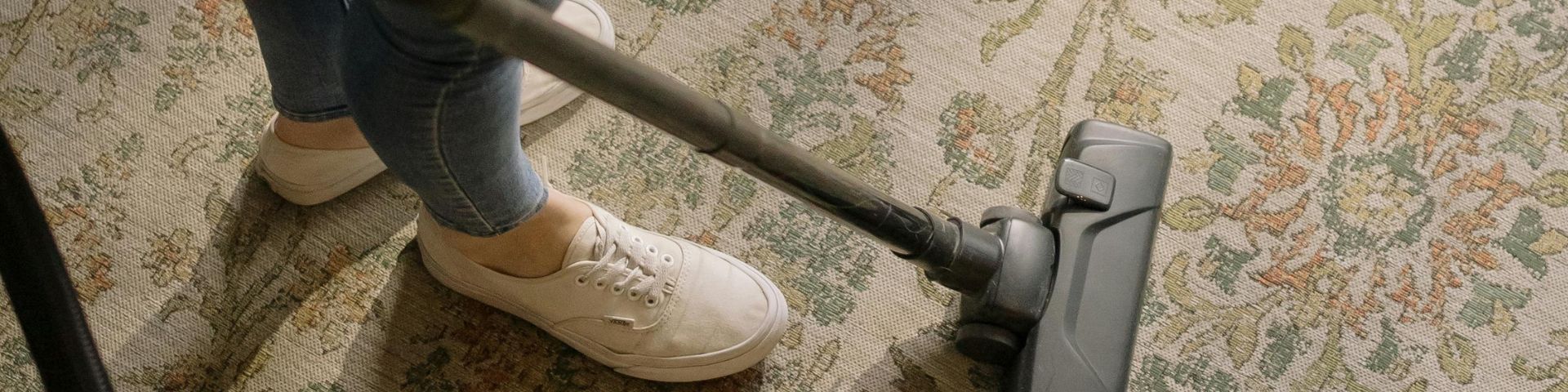
An important knowledge gap concerns how many microplastics we take in through the air. In MOMENTUM 3, TNO, Utrecht University and the University of Groningen are therefore investigating both the amount of microplastics in indoor air and the factors that influence this.
This includes everyday activities such as vacuuming and doing the laundry, as well as the role of plastic consumer products in the home, such as furniture, floors and curtains. In addition, the team is exploring which measures can help to effectively reduce exposure, for example air cleaners, improved ventilation and behavioural changes.
Distribution in the body
A key part of risk assessment for microplastics is understanding the uptake and distribution of microplastics in the human body. Measuring conventional microplastics in the human body is very difficult. That is why TNO uses its unique microtracer expertise to safely and accurately measure the uptake of microplastics in the human body for the first time. The first results of this research are expected during 2026.
Working together towards fewer microplastics
Microplastics are everywhere, and their presence is expected to increase in the future. We therefore call on consortia, companies and governments to work with us on solutions that reduce the risks of microplastics by:
- Designing products that release fewer microplastics, with tools such as TNO’s MicroPlastics Index (MPI) providing guidance.
- Reducing exposure, for example through better occupational health guidelines, improved ventilation and smart technical measures.
- Further strengthening research to better understand the harmful effects of microplastics.
Are you interested in taking the next step with us towards a future with fewer microplastics and better health?
Contact us
-
Luke Parker
Functie:Scientist MicroplasticsI develop solutions to the microplastics problem. By understanding how they are formed, measuring where they are released and analysing them down to the nanoscale. Sectors that I work in include plastics recycling and automotive tyres.
-
Standplaats:Utrecht - Princetonlaan
-
Email:Email Luke
-
-
Peter Versloot
Functie:Senior Business Developer Circulaire PlasticsPeter Versloot brings technology and markets together to create sustainable solutions. As a Business Developer at TNO, he focuses on the plastics sector, with expertise in Microplastics and Circular Plastics Modelling.
-
Standplaats:Eindhoven - High Tech Campus 25
-
Email:Email Peter
-
LinkedIn:Peter on LinkedIn
-
-
Sieger Henke
Functie:Program manager Microplastics-
Standplaats:Utrecht - Princetonlaan
-
Email:Email Sieger
-
Get inspired
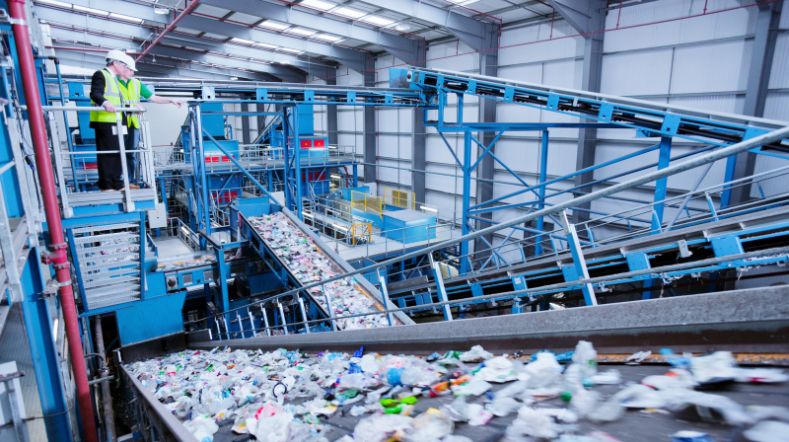
Fewer microplastics and higher yields in plastic recycling
New routes for sorting and composite separation
CRM materials and processes

Progress in circular packaging for soups and sauces
Biobased plasticisers: from compliance to competitive edge