

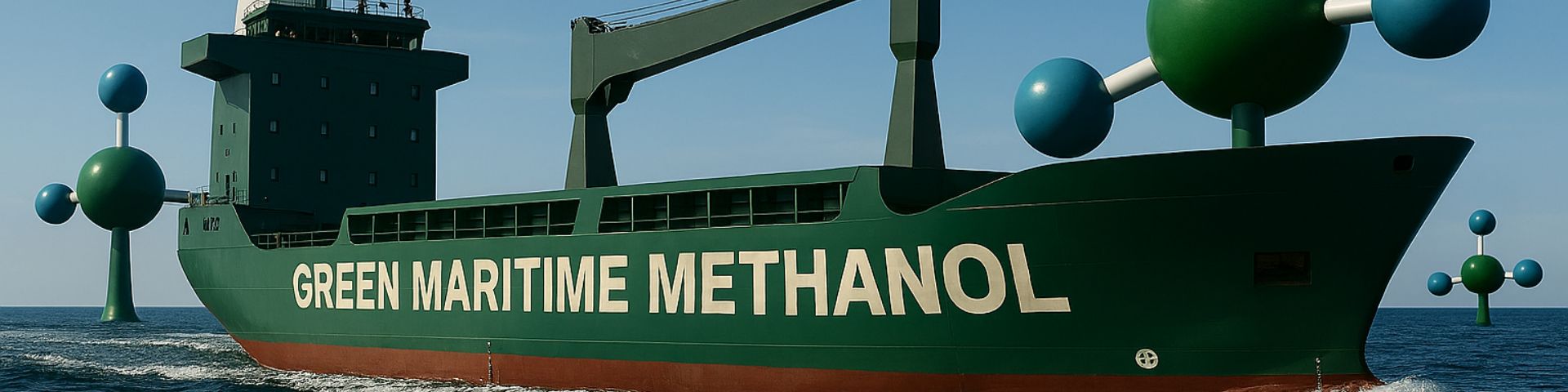
Green Maritime Methanol
Status project
April 2019 – September 2027
In cooperation with
Maersk, Damen Shipyards Group, Bureau Veritas, Caterpillar and more
The Green Maritime Methanol project aims to accelerate the transition to sustainable shipping by battling the barriers for the successful introduction of methanol as a viable marine fuel. Green methanol offers a promising alternative to conventional fossil fuels, supporting significant CO₂ emission reductions in line with global climate targets.
Methanol as a maritime fuel
A broad consortium of shipowners, shipbuilders, engine manufacturers, class societies and research institutes collaborate to address technical, operational, and economic challenges. The project handles four topics, focusing respectively on safety aspects, engine performance, emissions in real-sailing conditions and a regulation-driven systemic analysis of methanol adoption in shipping, alongside detailed ship designs and business cases.
The latest results from previous research in this project showed that methanol can be safely stored in existing fuel tanks; combustion using methanol derivative DME can simplify operations and systems on board; and methanol is technically and operationally viable, with sustainable production options from biomass, waste, and synthetic processes.
Next steps include research to underpin adequate safety measures for toxicity, and policy engagement to advance a rational approach in supply chain development and emission reduction appreciation. By advancing technology readiness and fostering industry partnerships, the project paves the way for emission-free maritime transport.
How do we achieve this?
The Green Maritime Methanol project focuses on reducing barriers for the transition to sustainable shipping by introducing methanol as a viable marine fuel. Green methanol offers a promising alternative to conventional fossil fuels, enabling significant CO₂ emission reductions in line with international climate goals. The project addresses key challenges such as safe storage and bunkering, engine performance, and integration of methanol-based energy systems on board.
Research includes technical feasibility, operational safety, and economic viability, supported by detailed ship designs and business cases for different vessel types. By combining laboratory testing, system integration, and real-world validation, the project aims to bring methanol technology from TRL 5/6 to TRL 7/8. This comprehensive approach ensures that methanol can be applied safely and effectively across the maritime sector.
Who do we cooperate with?
The project brings together a broad consortium representing the full scope of the maritime industry. Partners include major shipowners, shipbuilders, marine engine manufacturers, system designers, equipment suppliers, and maritime service providers. Class societies and research institutes also play a key role, supported by the Maritime Knowledge Centre.
This multidisciplinary collaboration ensures that technical, operational, and regulatory aspects are addressed collectively. Close ties with the IMO (International Maritime Organisation) representatives in government and IACS (International Association of Classification Societies) and ensures that developments are transmitted towards the future IMO Code development.
The consortium works closely with national and international initiatives, such as the Dutch Green Deal and the National Growth Fund, to align efforts and share knowledge. Together, these stakeholders aim to accelerate the adoption of methanol and other sustainable energy carriers for shipping.
Our collaboration partners are: Acta Marine, Bovag, Bureau Veritas, Caterpillar, Commit, Cornelis Vrolijk, Damen, Feadship, Fugro, Gane Energy, Ghent University, Royal IHC, Lloyd’s register, Maersk, Marin, Marine Service Noord, Maritiem Kennis Centrum, Mauric, Ministerie van Defensie, MTU, NIM, Oceanco, Ministerie van Infrastructuur en Waterstaat, RINA, Sanlorenzo, TU Delft, NLDA, de Voogt Naval Architects.
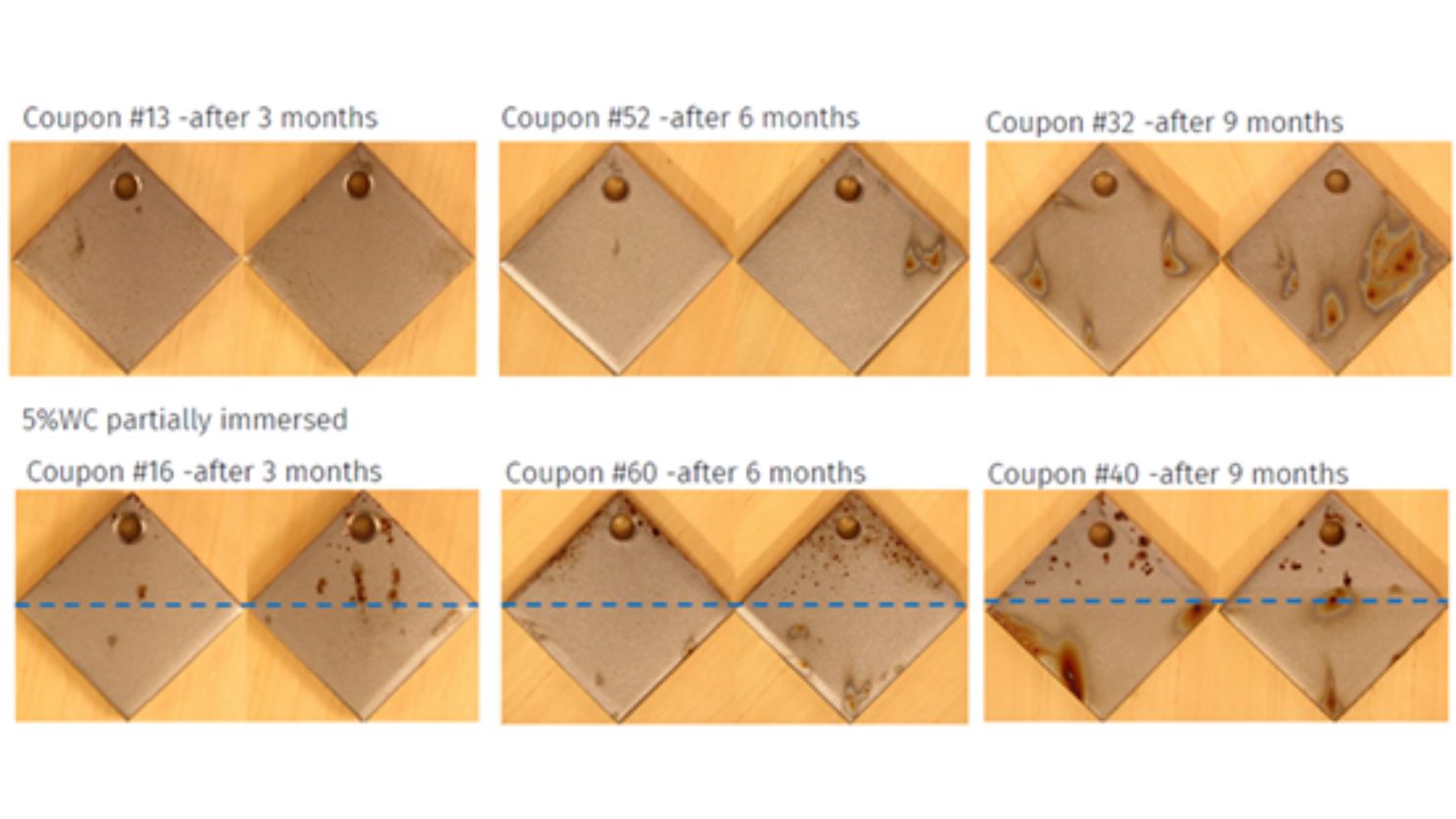
Green shipping impact
The Green Maritime Methanol project contributes directly to the decarbonisation of the maritime sector. By validating methanol as a safe and practical fuel, the project supports compliance with the Paris Agreement and IMO targets for reducing CO₂ emissions by 2050.
The outcomes will help shipowners and builders make informed decisions about alternative fuels and vessel designs. In addition, the project strengthens the Netherlands’ position as a global leader in sustainable shipbuilding and innovation. Pilot projects and real-life applications will provide valuable insights for scaling up methanol use across different ship segments.
Ultimately, the project accelerates the transition to emission-free shipping and a cleaner maritime future.
The consortium is working in close relation with other national and international initiatives on development of alternative energy carriers for the maritime sector including the National Growth Fund, the validation initiative as part of the Dutch Green Deal and initiatives as part of the Dutch R&D arrangement for the Mobility Sectors.
Join us in shaping the future of sustainable shipping
Explore collaboration opportunities, pilot projects, and innovative solutions with the Green Maritime Methanol consortium. Together, we can accelerate the transition to emission-free maritime transport. Contact us to learn more or become a partner in this groundbreaking initiative.
Contact us
-
Ann Delahaye
Functie:Project manager Sustainable Transport and LogisticsHello, I'm Ann Delahaye, project manager at Sustainable Transport and Logistics. Projects that make an impact towards sustainable transport, on the road or on water, excite me.
-
Standplaats:Den Haag - New Babylon
-
Email:Email Ann
-
-

Lisa Tang
Functie:ConsultantI work as a consultant/innovator at the research group of Naval & Offshore Structures. I am mostly involved in projects for the maritime and offshore domain, focusing on the safe usage of alternative fuels (e.g., methanol and hydrogen) for shipping.
-
Standplaats:Delft - Molengraaffsingel
-
Email:Email Lisa
-
-
Jorrit Harmsen
Functie:Senior consultant in sustainable shippingAt TNO, I work on developing and implementing technical, operational, and logistical strategies to achieve sustainability in the maritime sector. In this role, I consider various aspects, such as technical and financial feasibility, impact on operations, and the effect on emissions.
-
Standplaats:Den Haag - New Babylon
-
Email:Email Jorrit
-