DGE-ROLLOUT: geothermal energy from deep geological layers in Northwestern Europe
Status project
2018 - 2022 (completed)
The heat transition calls for new, reliable sources of sustainable heat. Many policymakers and regions are faced with the question: where do realistic opportunities for geothermal energy exist in the deep subsurface, and which uncertainties need to be considered?
Why is this relevant?
This project provides exactly that insight. The combination of up to date subsurface data, harmonised geological knowledge and socio-economic potential clearly shows where deep geothermal energy is technically and socially viable. As such, the project supports policy development, spatial decision-making and investment choices.
The web tool developed within the project brings together subsurface data such as seismic information, borehole data, temperature and rock formations with above-ground factors such as heat demand and socio-economic potential. This enables promising regions to be identified quickly.
In addition, the DGE-ROLLOUT project has developed concrete instruments to reduce risks, including an exploration toolbox, evaluation schemes and optimisations at pilot sites. These tools support both public authorities and energy developers in making well-founded decisions.
All results in one place
For everyone working with geothermal energy, from policymakers to project developers, the full project outcomes are available on the Interreg North West Europe project website. Here you will find all reports, tools, maps and pilot results brought together in one clear overview.
Project completed
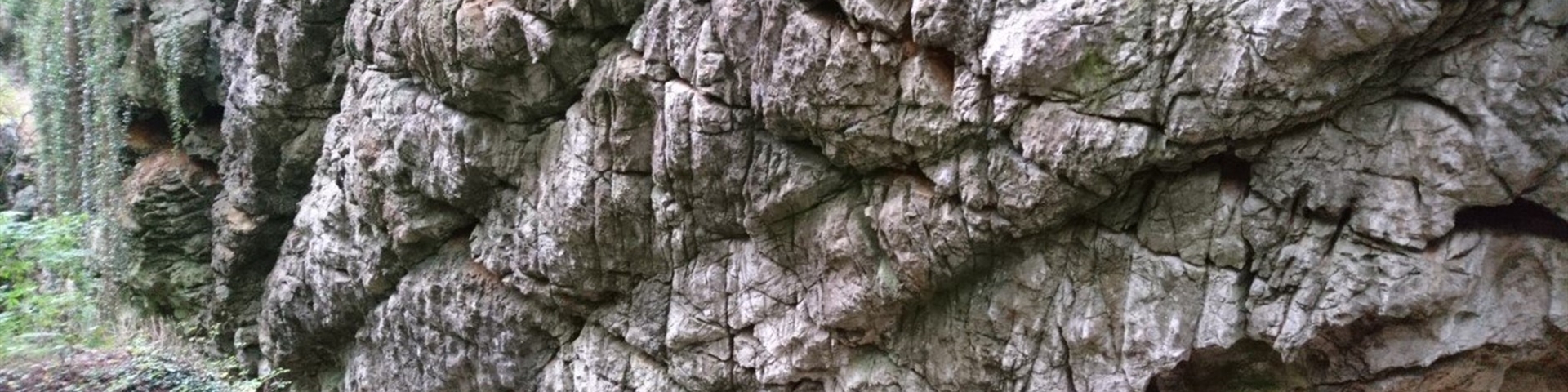
The international project DGE-ROLLOUT Deep Geothermal Energy from Geological Formations, carried out within the Interreg North West Europe programme, has been completed. TNO collaborated with geological surveys, research institutes and companies from several European countries to map the potential of deep geothermal energy. The research focused in particular on deep limestone formations, the Dinantian, which are promising for heat production in large parts of North West Europe.
The insights gained support the further development of geothermal energy as a stable and renewable heat source for homes, heat networks and industrial applications.
What has the project delivered?
The project has produced several outcomes that are directly applicable to policy development, permitting procedures and the initiation of geothermal projects, including:
- Interactive web application
A clear and user-friendly tool that combines subsurface data and heat demand, providing rapid insight into promising areas and associated uncertainties. - Toolbox and evaluation frameworks
Instruments that support exploration, including economic and environmental assessments. - Pilot results
Including production optimisation and improved heat pump systems at pilot locations in Belgium and Germany. - Updated geological maps
Harmonised maps and models providing insight into the depth, thickness, temperature and permeability of relevant rock formations.
Want to know more?
TNO supports public authorities, grid operators and project developers in applying this knowledge in policy, spatial planning and geothermal potential assessments. Please feel free to contact TNO-GDN for advice or further explanation.

Contact us
-

Holger Cremer
Functie:Principal project managerHolger Cremer is an experienced manager of multidisciplinary geo-energy programmes, specialising in geothermal energy, heat storage and geo‑information. He is driven by guiding teams towards meaningful impact, combining solid project management with the dedication of experts to deliver the best solutions for clients.
-
Standplaats:Utrecht - Princetonlaan
-
Email:Email Holger
-
-
Maurice Hanegraaf
Functie:Market manager Geological Survey of the Netherlands-
Standplaats:Utrecht - Princetonlaan
-
Email:Email Maurice
-
LinkedIn:Maurice on LinkedIn
-
Get inspired
TNO–SodM–NIOZ: ‘Methane emissions in the North Sea often linked to shallow natural gas’

Heat
Geothermal energy: sustainable heat from the subsurface
Heat system integration: aligning all the pieces
Friendship Sports Centre becomes a testing ground for sustainable energy