Digital Biomarker Lab: trusted digital biomarker development and validation from daily-life data
The TNO Digital Biomarker Lab reveals meaningful health patterns from daily life through patient-centric digital biomarkers. We turn digital measures into trusted evidence for clinical research and healthcare decision-making.
Why digital biomarkers
Across everyday life, care pathways and clinical studies, people generate rich signals about health, behaviour and treatment response. Yet these signals are rarely captured, validated or translated into meaningful evidence that patients, clinicians and decision-makers can rely on.
Traditional clinical measures are episodic and often burdensome, capturing only a limited snapshot of a person’s health. Important information about how people function, respond to treatment and recover between visits can be missed, despite its relevance for care and evaluation.
Digital biomarkers offer a promising solution. By collecting objective signals more continuously in daily life, they can complement traditional measures and provide a richer
About Digital Biomarkers
They are also meaningful to patients because they remain grounded in real life. Instead of relying only on abstract questionnaires, digital biomarkers can provide timely, objective and personalised insights into an individual’s activity profile and functioning. When embedded into self-management tools and care pathway structures, these measures can help bridge the gap between patients and healthcare, supporting more informed conversations and decisions.
However, the full potential remains untapped. Many digital measures are not yet supported by the structured evidence needed for adoption, and development efforts are often fragmented across measurement design, validation, usability and data infrastructure. This slows progress from promising signals to tools that are scalable and ready for real-world use, including in regulated clinical development.
From digital measures to validated digital biomarkers
At the TNO Digital Biomarker Lab, we use a structured pathway to develop digital biomarkers that are trustworthy, interpretable, and meaningful in daily life, so they can support decisions in clinical research and healthcare.
We take a rigorous, independent, and patient-centric approach. We start with the question that matters most: what do patients and clinicians need to understand, monitor, or improve? From there, we define the intended context of use and build the evidence package required for adoption, scientifically, operationally, and, where relevant, regulatory-aligned.
Because digital biomarkers are increasingly used in settings where quality and transparency expectations are high, we are regulator-aware in how we design evidence generation. In many settings, digital biomarkers will only be useful at scale if they meet expectations for quality, validation and transparency. We help clients and partners navigate these requirements in practice, so digital biomarkers can move from promising signals to credible, usable tools in the real world.
Building on long-standing experience in measuring health and behaviour, TNO combines scientific depth with practical expertise in digital health and clinical research.
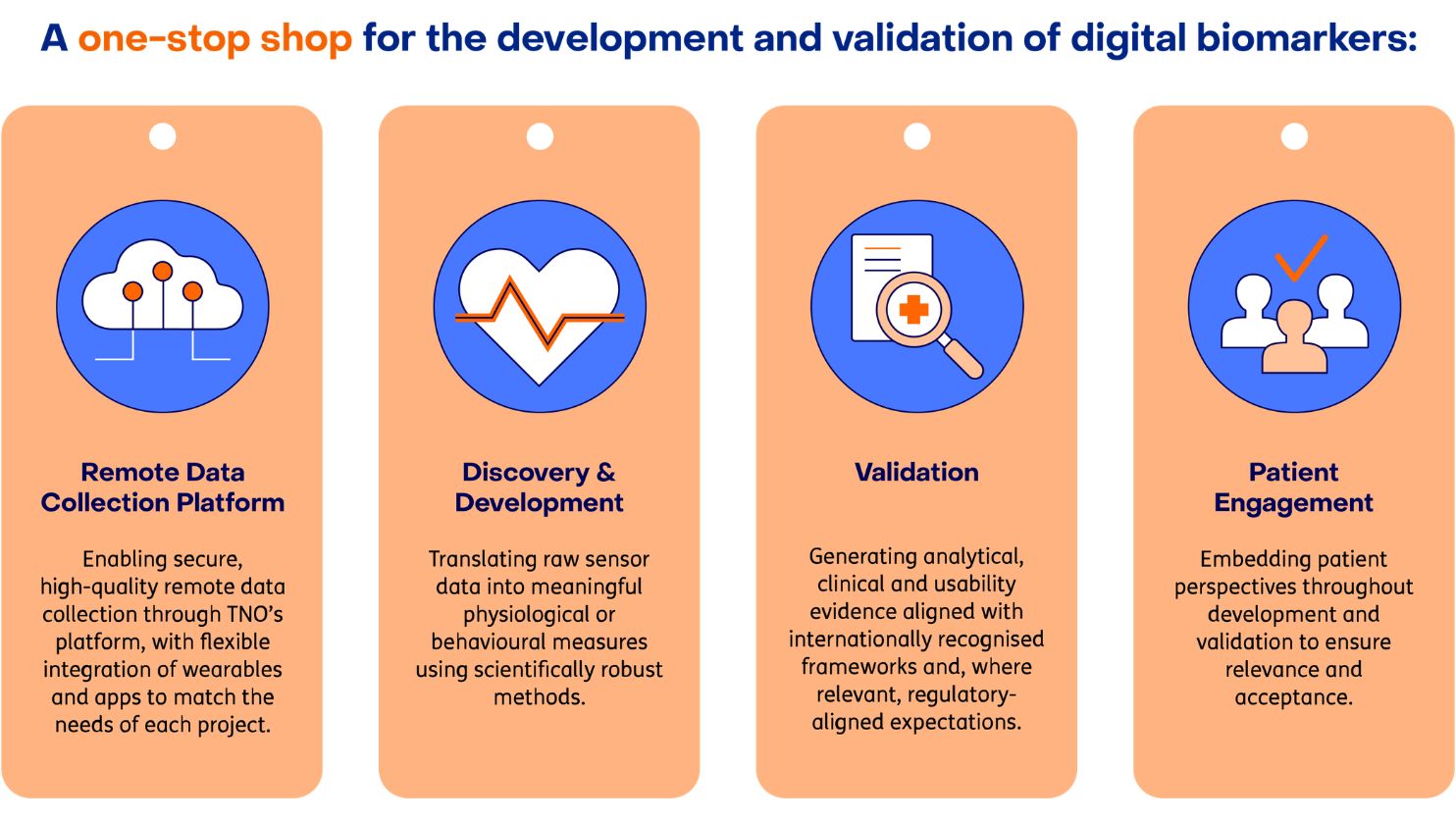
Services: digital biomarker discovery, validation and remote data collection
We support partners across key stages of the digital biomarker lifecycle. By combining discovery, validation, patient engagement and data infrastructure, we enable clients and partners to build digital biomarkers that are robust, interpretable and ready to be used, whether in clinical research, healthcare practice or real-world settings.
Portfolio: turning evidence into impact through projects and partnerships
The TNO Digital Biomarker Lab builds on more than 20 years of expertise in measuring health and behaviour, combined with the team’s focused experience in digital biomarker development across multiple therapeutic areas.
Our projects span chronic inflammatory, cardiovascular, metabolic, neurological and sleep-related conditions, delivered in close collaboration with partners from industry, academia and healthcare. Through scientific rigour and fit-for-purpose digital measures, we translate complex sensor-derived data into meaningful evidence that supports innovation in medicine.
Let’s work together to accelerate digital health innovation
We collaborate with pharmaceutical, MedTech and healthcare partners to advance digital biomarker development, from early discovery to validation and deployment, through various modes:
- Joint research and development projects
- Industry partnerships and service contracts
- Clinical validation and pilot studies
- Strategic advisory and training
Ready to explore what digital biomarkers can do for your project or care pathway? Contact our team to discuss the right evidence pathway and collaboration model.
Our impact
-
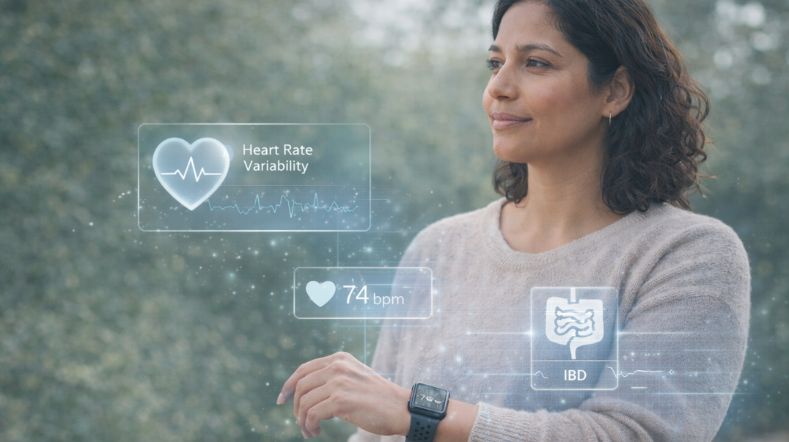
IBDigital
In cooperation with
healthcare providers, MedTech and pharma partners, patient ...
-
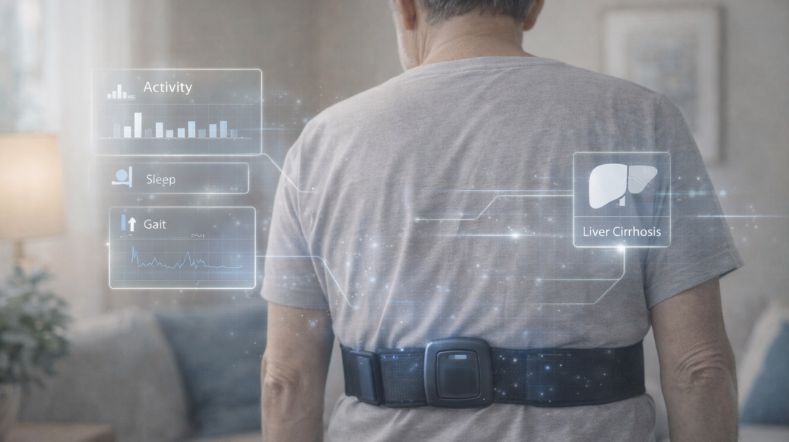
D-LIVER
In cooperation with
TNO, Medisch Spectrum Twente (MST) and University of Twente
-
DIMPLAD
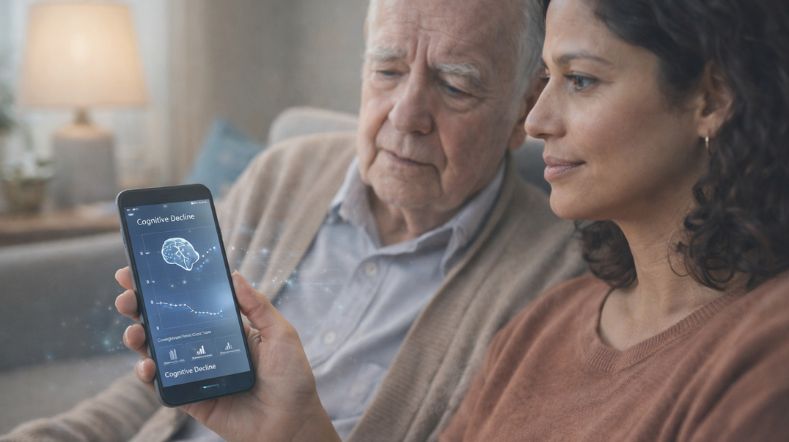
In cooperation with
TNO and Selfcare
-
OSAsleep
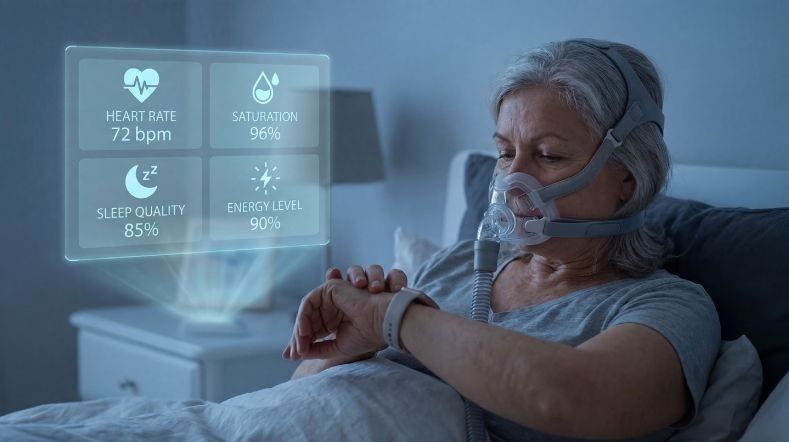
In cooperation with
TNO, Dutch Sleep Apnea Association (ApneuVereniging) and ...
-
ICARE4CVD
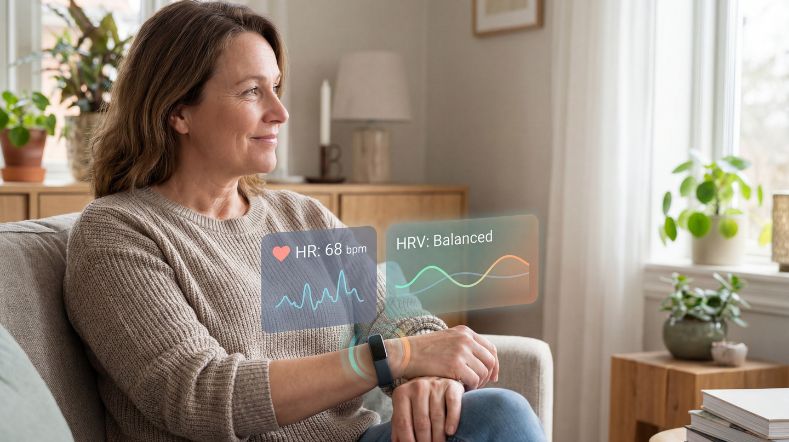
In cooperation with
TNO, international academic, clinical, and industry ...
-
DiBiRA
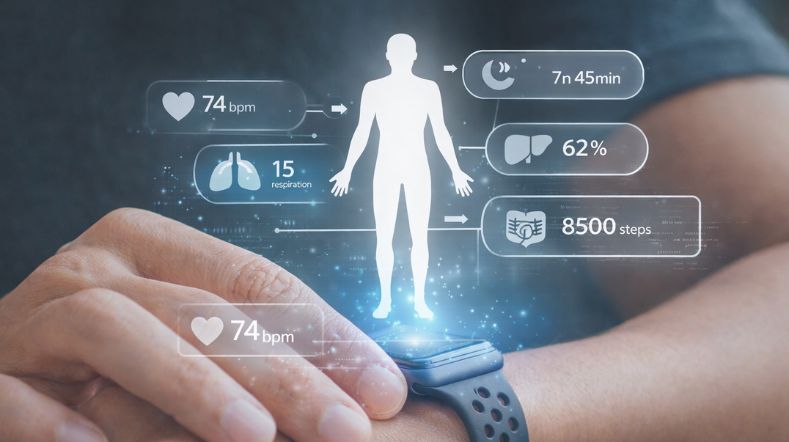
In cooperation with
TNO and Medisch Spectrum Twente (MST)
-
ENGAGE
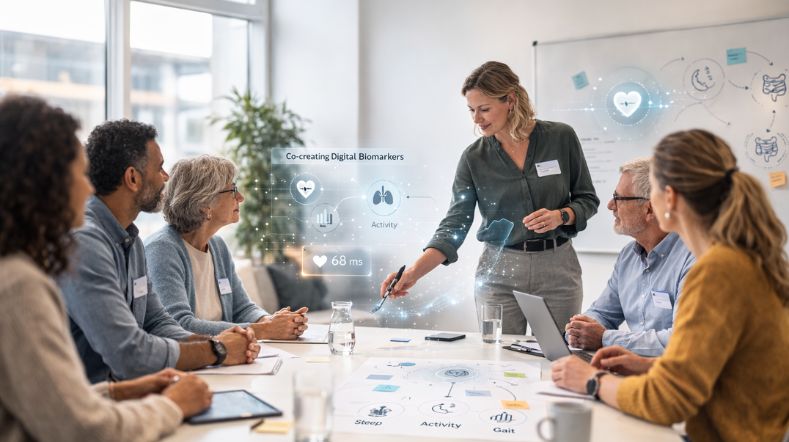
In cooperation with
TNO, academic and healthcare partners
-
HeartFM
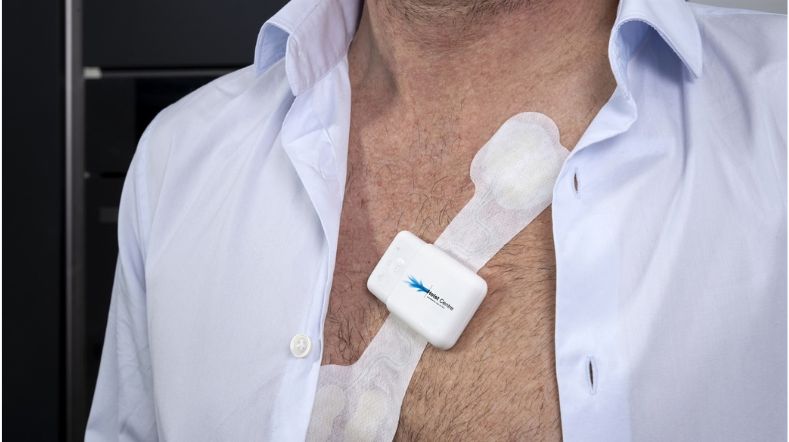
In cooperation with
TNO, Leiden University Medical Center (LUMC) and AIKON Health
-
2DIAREM
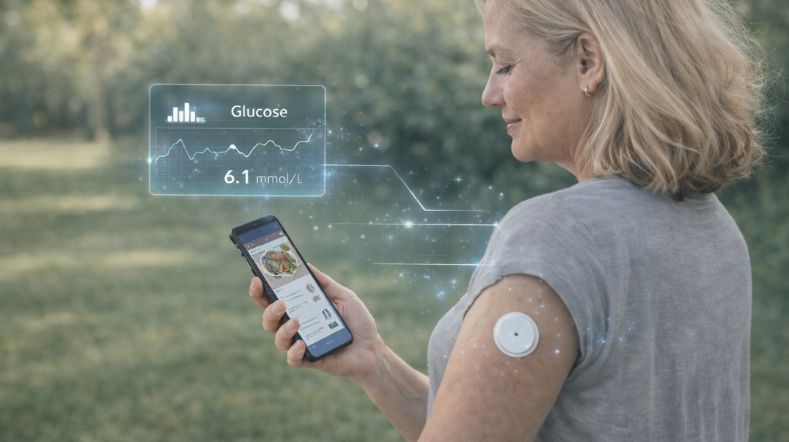
In cooperation with
TNO, healthcare and industry
-
SMARTsleep
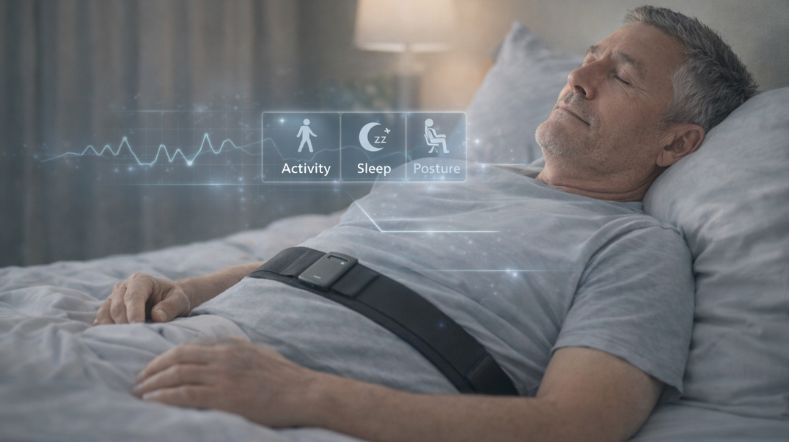
In cooperation with
TNO and McRoberts
-
The future of remote patient management
-
Health Innovation Venue for Enterprises (HIVE)

Contact us
-

Annika van Rosmalen
Functie:Business Developer-
Standplaats:Leiden - Sylviusweg
-
Email:Email Annika
-
LinkedIn:Annika on LinkedIn
-
-

Willem van den Brink
Functie:Scientific lead Digital Biomarker LabContact me for collaborations in digital biomarkers, wearable health technology, and data-driven prevention. My team focuses on developing reliable and meaningful digital biomarkers that support the transformation toward preventive and personalized healthcare.
-
Standplaats:Leiden - Sylviusweg
-
Email:Email Willem
-
-

Nina Haring
Functie:Scientific Consultant Digital Biomarkers‘Trustworthy digital biomarkers are not designed for patients, but with them — from the first question to real-world use. Contact me for patient-centric digital biomarker development, combining patient engagement with real-world validation studies to generate reliable insights for healthcare decision-making and evidence generation.’
-
Standplaats:Leiden - Sylviusweg
-
Email:Email Nina
-
-

Roos Boereboom
Functie:Project Manager Digital HealthReach out if you are ready to tackle challenges and accelerate innovation in digital health and healthcare. As project manager, I drive projects focused on digital biomarkers, remote patient management, (re)use of health data responsible deployment of AI-technology – turning complex challenges into impactful solutions.
-
Standplaats:Leiden - Sylviusweg
-
Email:Email Roos
-
Get inspired
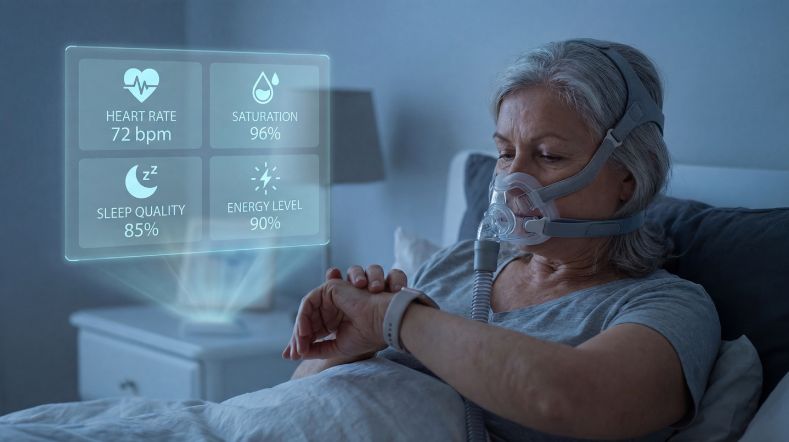
Beyond the breath count: patients want meaningful digital metrics in sleep apnoea monitoring
DIMPLAD: Empowering early recognition of Alzheimer’s with user-centered digital solutions
IBDigital Project Starts at ECCO Conference in Berlin
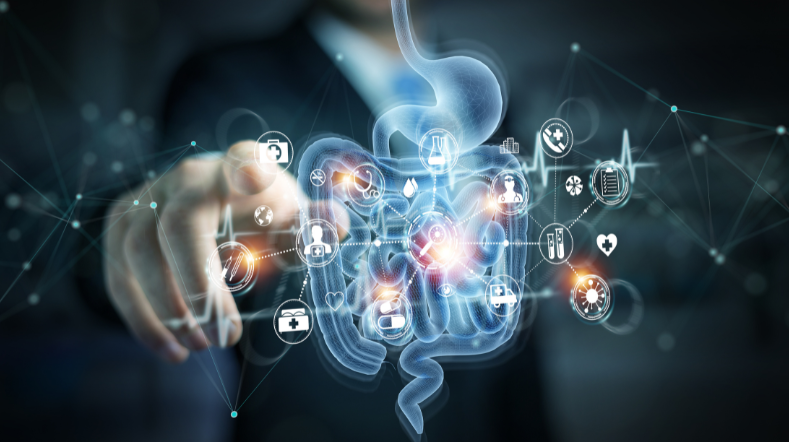
How can AI help reduce pressure on our healthcare system?
Health applications