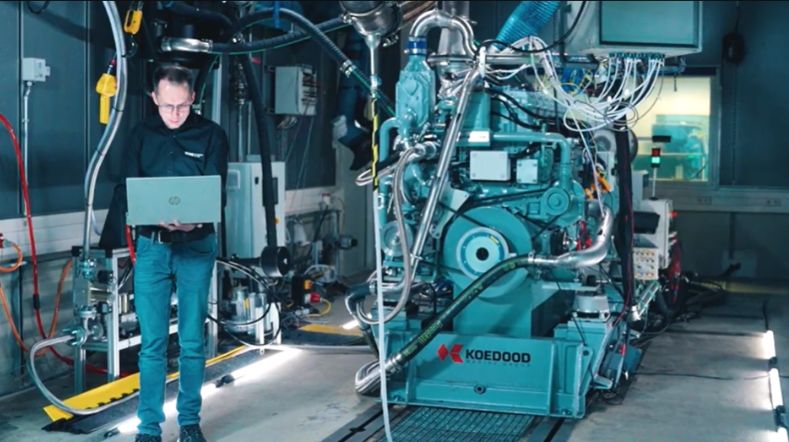
Addressing elevated vehicle emissions in Flanders
A novel study for the Flemish Environmental Agency on vehicle emissions has been carried out by TNO, together with partners Vrije Universiteit Brussel in Belgium and, in part, HEAT in the USA. In the first part of this study an analysis of the EU and Belgian legal framework was performed. This was used to determine the possible strategies that the Flemish Environmental Agency can implement to detect and address problems with vehicle emissions.
Remote sensing to detect and prevent elevated emissions of road vehicles
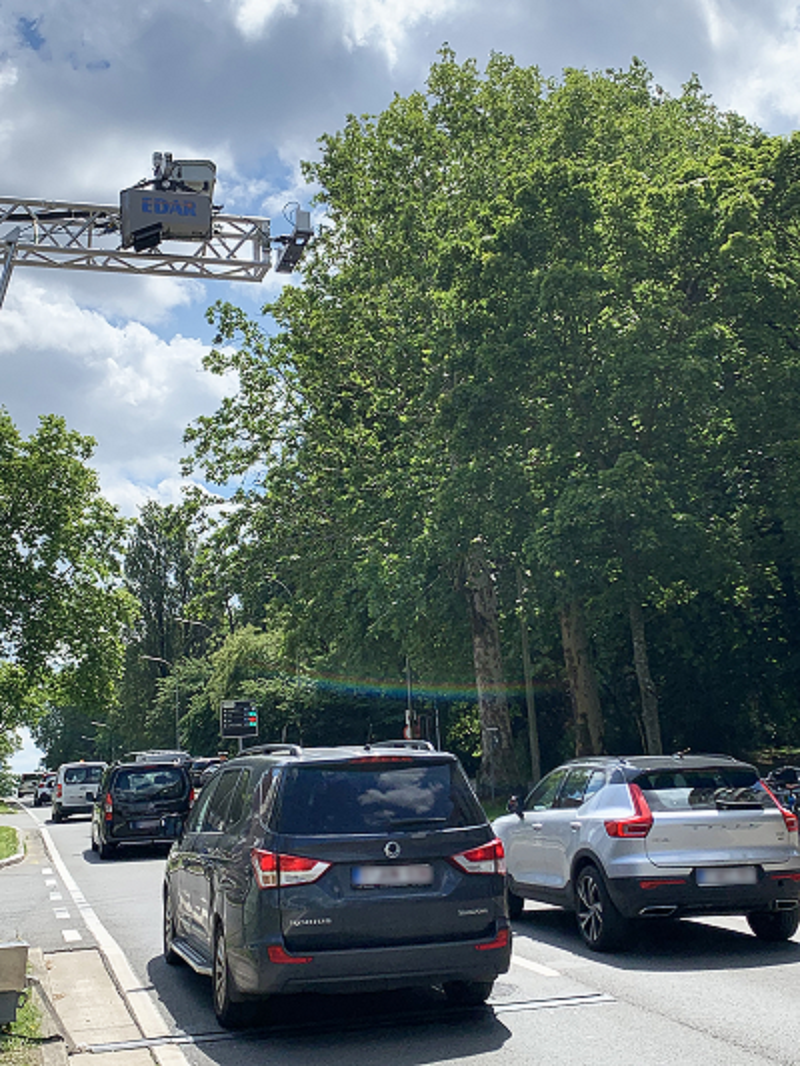
In the second part of the study, a remote sensing system, developed by HEAT, was used to measure the on-road emissions of a large sample of vehicles. Measurements were performed at 5 locations in Flanders and this was the first time such measurements were performed under highway conditions. Many new insights into the on-road emission performance of vehicles were gained and the main conclusions were:
- A small group of vehicles with high emissions account for a disproportionate share of total emissions.
- Remote sensing can effectively detect problems (manipulations, failures, maintenance problems) with exhaust after-treatment systems, which increases the effectiveness of police and inspection tasks.
- Using a remote sensing system during roadside checks can substantially increase the detection rate of emission problems.
- Detecting problems with diesel exhaust after-treatment systems using remote sensing is most effective on highways where emission levels are normally low.
- Remote sensing campaigns conducted in the past on urban and rural roads do not provide a complete picture of vehicle emissions performance.
- The effect of ambient temperature on vehicle emissions is limited and observed differences can be traced back to rush hours in the morning and afternoon as underlying cause.
Contact us
-

Emiel van Eijk
Functie:Researcher Fleet Development and Emission FactorsI focus on the evolution of the mobile source fleet - such as road vehicles, construction equipment and ships - and their associated climate and environmental impacts. Based on field inputs, emission factors and policy initiatives, I provide knowledge input for the models used to make emission and deposition calculations at local and national levels.
-
Standplaats:Den Haag - New Babylon
-
Email:Email Emiel
-
Get inspired
Five tips for driving plug-in hybrid more efficiently
Forces combined: how TNO supports LionVolt to accelerate next-generation battery technology

How Arriva and TNO are shaping the next phase of electric bus transport
From lab to ice sheet: how TNO accelerates battery innovation with Team Polar
Sailing with an engine that emits only water? Mitsubishi and TNO prove it’s possible