European projects
In cooperation with
European partners
The European collaborative research in which TNO engages takes many forms. But one thing they all have in common is that they support and advance the European innovation strategy, the Dutch economy, TNO’s position and society at large. Below, a list of recent projects in which these objectives are clearly in focus.
IM‑SAFE: Toward a harmonised EU standard for for infrastructure safety
Europe’s bridges and tunnels are ageing fast, while traffic loads and resilience challenges keep rising. The IM‑SAFE project set out to change that by shaping new, harmonised European standards for monitoring, maintenance, and safety—helping public authorities and industry take smarter decisions based on reliable, digital‑ready structural data.
IM‑SAFE brought together best practices, technology developments, and digital innovations to create a clear pathway toward standardised monitoring across Europe.
By closing long‑standing gaps between existing regulations and real‑world practice, the project helps organisations work with cleaner, more comparable data—leading to safer structures, better‑targeted maintenance and, ultimately, a more resilient transport network.
Its work accelerates Europe’s transition toward a Single European Transport Area by supporting predictive maintenance, data‑driven decisions, and improved infrastructure reliability.
As project coordinator, TNO steered scientific and technical activities and ensured alignment with EU regulations. By connecting authorities, industry and researchers,
TNO helped build a common language for infrastructure monitoring, turning a complex landscape into an actionable roadmap for safer European mobility.
Explore project results, activities, and the Community of Practice on the IM‑SAFE website.
Ploutos: A Sustainable Innovation Framework to rebalance agri-food value chains

The agri‑food system faces growing pressure, from soil health concerns to shifting market dynamics. Ploutos steps in with a fresh, integrated approach. The project developed a Sustainable Innovation Framework that helps the entire value chain work together more fairly, efficiently, and sustainably.
At the core of Ploutos lies its Sustainable Innovation Framework, powered by three dimensions: changing behaviours, designing collaborative business models, and extending data‑driven technology services.
This combination helps stakeholders align on shared goals, improve cooperation, and implement solutions that support long‑term sustainability. The framework also enhances data exchange, enabling smoother advisory and information flows for farmers.
To turn strategy into action, the project established the Innovation Academy, where experiments and practices from the project’s pilots are developed and assessed. The Academy ensures new ideas are co‑designed, widely communicated, and ready for broader adoption across the value chain.
Explore the framework and its applications at ploutos‑h2020.eu.
PLAST2bCLEANED: safe recycling process for waste electrical and electronic equipment
Electronic waste plastics are difficult to recycle due to the presence of hazardous flame retardants. PLAST2bCLEANED set out to develop a safe, scalable, and economically viable recycling technology that could fully separate these substances and return clean materials back into value chains, helping Europe move toward a safe, circular plastics system.
The project demonstrated a pioneering dissolution process that transforms mixed, contaminated e‑waste plastics into high‑purity materials fit for high‑end manufacturing.
Its success directly supports Europe’s move toward circular product design, mandatory recycled content, and better tracking of material purity through upcoming Digital Product Passports. It opens the door to cleaner recycling practices, resource independence, and reduced toxic exposure.
As project coordinator, TNO guided scientific, technical, and sustainability activities, ensuring the technology was scalable and aligned with EU regulations.
TNO’s leadership connected industry, research institutes, and policy ambition—turning a complex challenge into a practical path forward for circular plastics.
InterConnect: Bringing efficient energy management within reach of the end-users

As Europe moved toward a more digital and flexible energy system, a major hurdle remained: smart devices, homes and grids still struggled to work seamlessly together.
To change that, the European Commission launched InterConnect—one of its largest digital‑energy initiatives—uniting over 80 partners to build an interoperable foundation for tomorrow’s smart homes and buildings.
Through a €30 million large‑scale pilot, the project delivered a practical framework where smart devices and energy platforms interact seamlessly. This has paved the way for new digital services, improved energy efficiency and more resilient European energy systems. The project validated interoperability at scale, laying the groundwork for a more open and user‑friendly energy market.
As technical coordinator, TNO led the development of the project’s reference architecture and semantic interoperability principles. TNO ensured the architecture was open, secure and scalable—allowing manufacturers, service providers and energy companies to innovate on top of a reliable, future‑ready framework.
Read more about InterConnect, its pilots and the open calls supporting European SMEs through the project website.
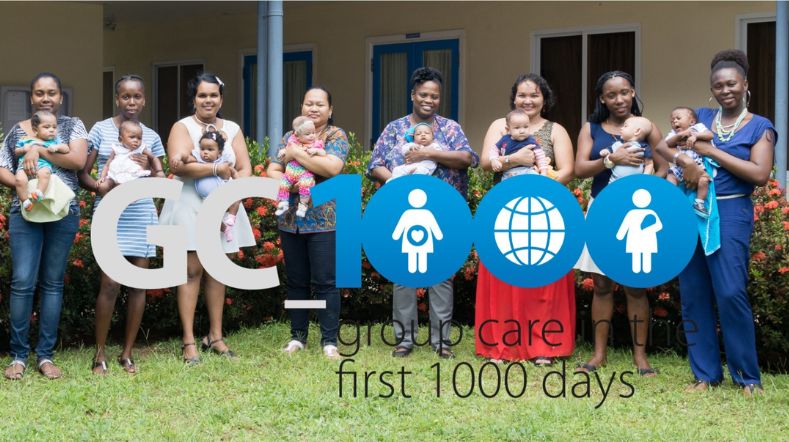
GC_1000: Group Care for the First 1000 Days
If it takes a village to raise a child, group care is the first step. GC_1000 aimed to improve care for (vulnerable) pregnant women and young children during the first 1,000 days of life. The project ran from June 2020 to June 2024 in seven countries and delivered exceptional results with lasting impact.
GC_1000 (H2020 i848147) introduced group care as an innovative model of support for pregnant women in diverse healthcare systems. By training professionals and fostering knowledge exchange, new approaches could be implemented and evaluated. This laid the foundation for sustainable improvements in maternal and child care tailored to local and cultural contexts.
By the end of the project, 219 healthcare professionals had been trained and group sessions were taking place in 32 sites, exceeding initial targets. Many of these sites are still running group care and expanding further. As a result, thousands of women now receive better support during pregnancy and the early months of their child’s life.
TNO coordinated the project, connecting international partners and ensuring smooth collaboration. Our experience with large-scale research projects, healthcare innovation and knowledge sharing helped align approaches across different countries.
Coordinator Marlies Rijnders: 'TNO has had a major impact in the Netherlands with the implementation and development of group care for the first 1,000 days. With this EU project, we shared all our knowledge and expertise to make this innovative healthcare model sustainable for the entire world. As a result, healthcare for mothers, babies, and families will be improved for generations to come'.
Key challenges included training professionals during the COVID-19 pandemic and ensuring sustainable scale-up after the project ended. Close cooperation with local partners and strong project management ensured that GC_1000 became a lasting success.
Visit the GC_1000 website, watch the project video or read the EU CORDIS article.
Voltachem: for electrification in the chemical industry
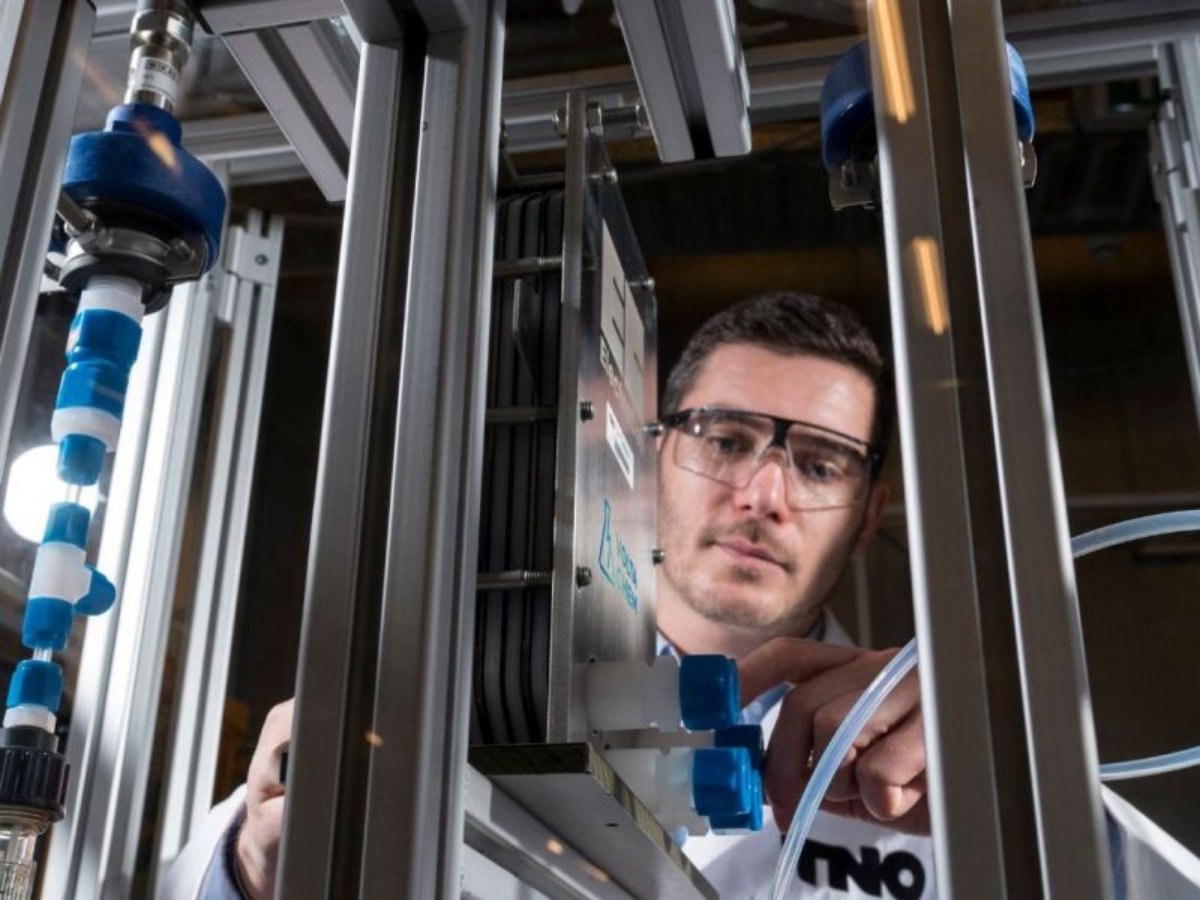
In two recent European collaborations, VoltaChem – TNO’s Shared Innovation Programme on Power-2-X – coordinated the development of two viable electrochemical platforms and the physical infrastructure to reduce CO2 emissions and enable sustainable chemical production with green energy. The technology has been proven to work on pilot scale, and VoltaChem is eager to partner with equipment suppliers and industry stakeholders to further develop and scale-up Power-2-X technologies for specific industry application.
The Electrons to High-Value Chemicals (E2C) project developed two Power-to-X technology platforms that can drive the chemical industry closer to a green future. The Interreg 2 Seas collaboration brought TNO together with knowledge partners and industry leaders from the Netherlands, Belgium, France and United Kingdom. Both to advance these relatively new technologies and to stimulate regional economic development. The E2C project succeeded in building two working pilot installations.
The ZEUS platform converts CO2 and water into formic acid through electrolysis at the scale of 1 kg/h. And the SEDMES hydrogenation platform converts CO2 and green hydrogen into dimethyl ether at a rate of 3 kg/h. Both use sustainable electrochemical processes and produce essential chemical building blocks for applications in fuels and materials. The development team has a clear vision for what is needed to scale the concept for industry application and is ready to employ the platforms further for development of specific industrial cases. For more information, visit the VoltaChem news page, or the Interreg 2 Seas page.
In PERFORM, a Horizon 2020 SPIRE project, TNO joined forces with organisations from Italy, Germany, Switzerland, Belgium, Sweden, Spain and the Netherlands to develop a system that uses electrochemistry to convert non-food, biobased feedstocks into chemical building blocks like maleic acid, valeric acid and glucaric acid. These building blocks can, in part, be converted into biobased plastics. The recently completed collaboration resulted in the creation of the PowerPlatform pilot installation, which was used to produce these chemicals from biobased feedstock but can also be used to test other electrochemical conversion routes. The platform uses less energy than traditional processes, makes more efficient use of resources and reduces CO2 emissions by more than 50% compared to the benchmark.
In addition to being the world’s first platform with the ability to generate tens of kilograms per day of biobased products on a 1 m2 stack platform using electrochemical conversion, the PERFORM project was a finalist for the EUSEW Award for Innovation. The consortium’s final event highlights the other accomplishments and milestones achieved. For more information, visit PERFORM’s YouTube Channel or VoltaChem’s PERFORM page.
The VoltaChem Shared Innovation Program’s primary aim is to accelerate Power-2-X development through collaborative research and development, in order to achieve a net-zero and circular society by 2050. Because of the inherent complexity and uncertainty of this domain, no single partner in the program can achieve the envisioned results themselves within the required timeframe. By investing and collaborating specifically in knowledge, technology and market synergies, risks and benefits can be shared, thereby accelerating development. The aforementioned projects are a typical example of this approach.
While working on distinct showcases in the two projects, using biobased products and CO2 as feedstocks for the manufacturing of different chemical building blocks, the core knowledge, technologies and experiences in electrochemical processes were advanced. Specific partners’ individual needs were met, whilst common understanding of dos and don’ts related to technology, business and regulatory domains increased for all.
Although significant accomplishments have been made during these ground-breaking projects, there is still a great deal of work to be done in order to enable the industry to implement such electrochemical processes on a global scale. As a public research institute and orchestrator of the VoltaChem initiative, TNO will continue advancing the domain through follow-up projects with industry and equipment supply stakeholders, both in private and public/private collaborations, with the sole aim of accelerating the field towards rapid implementation.
Do you want to create value-added chemicals without the use of fossil fuels? And are you eager to advance the chemical industry toward a sustainable future? Contact VoltaChem today.
DIHNET Academy: Strengthening European Innovation Networks

More than ever, innovation is a multi-stakeholder, cross-border, challenge-driven endeavour. Public/private partnerships work in open innovation networks to achieve shared economic and societal goals. Forging and maintaining those innovation networks is a complex task requiring specific skill sets that are often lacking within organisations. The DIHNET Academy helps to build strong, robust and structured partnerships to accelerate innovation across Europe.
Developing and executing a cross-border innovation project is a job of its own. From managing different cultures, articulating opportunities and crafting contracts to navigating regulations and technological challenges. Often, partnerships are formed for a specific project, and then swiftly dissolve when the project is complete. But establishing trust and agreements is often time-consuming and costly. And project participants may have no previous experience in such a complex environment.
The founding partners of DIHNET Academy aim to create a community of experts throughout Europe that know how to forge structural collaborations. This skilled network of professionals will facilitate smoother connections and more effective knowledge sharing and collaboration, in order to boost European innovation in a structural way. By training participants in the most effective ways to establish and build these relationships, the Academy prepares more organisations to collaborate more effectively.
The DIHNET Academy’s primary proposition is a mentoring programme that empowers European professionals to form and maintain collaborative innovation networks. Through training, coaching and peer learning, they learn the optimal ways to orchestrate, manage and maintain key strategic partnerships and form lasting Strategic Public/Private Innovation Networks (SP2INs) in their region.
Then, participants can learn to develop ‘interregional innovation corridors’, a term coined by TNO. These corridors connect SP2INs throughout a country – and eventually throughout Europe – and aid in the exchange of industrial and research capabilities, which in turn stimulates innovation and accelerates its market uptake. Maintaining these networks independently of specific project work means that – when specific skills are needed – collaboration can begin more swiftly and for lower costs than building a relationship from scratch at the start of a project.
Founding partners TNO, Civitta, FundingBox Accelerator and Digital Hub Management already had vast experience in orchestrating these complex, cross-border collaborations. In a series of previous projects, including multiple EU- and EC-funded projects aimed at boosting European collaboration, the Academy’s founders explored the most effective ways to build and boost SP2INs, as well as for better understanding of how these networks operate best.
Most recently, the BOWI project aimed to create structural collaboration through interregional innovation corridors. The results and insights uncovered during BOWI fuelled the structure and setup for DIHNET Academy.
DIHNET Academy is now a fully operational and self-sustaining organisation. Research, industry and governmental organisations involved in establishing innovation collaboration across Europe can engage with the Academy to learn the skills necessary to orchestrate and maintain robust networks of collaboration partners and accelerate innovation.
SOCCRATES: Enhanced Cybersecurity through Automation
The game-changer we need to defend against the growing threat of cyberattacks is security automation. In this Horizon 2020 project, industry experts took a major step forward in security automation
Every day, as the number and complexity of cyber threats grow, IT teams and security specialists work tirelessly to defend against them. As part of an ambitious Horizon 2020 project, the SOCCRATES team of experts has developed the tools and platform to make this essential job more manageable, and to ensure well-informed, effective decision-making when it matters most.
In the three years since the SOCCRATES project began, the cyber threat landscape has intensified. Global instability and geopolitical conflicts have increased cyber criminality. And, as cybercriminals become more sophisticated, Security Operation Centers (SOCs) and Computer Security Incident Response Teams (CSIRTSs) must also grow stronger. And the best way to do that, is to develop automated solutions in collaboration with each other.
SOCCRATES brought together the most highly skilled experts in their respective fields – from universities to end users to service providers to technology providers – to collaborate on the development of a security automation and decision support platform. As an independent knowledge institute, TNO not only served as Technical and Overall Coordinator for the project, but also contributed key technology to the platform.
Perhaps the most unique aspect of the SOCCRATES platform is its robustness. Instead of modules that support a single aspect of cybersecurity, SOCCRATES provides support for every step of the security process, from threat identification to analysis to mitigation or defence.
The comprehensive SOCCRATES platform, now available for demonstration, aims to automate as many elements of cybersecurity as possible, to enable swift and effective decisions about the best course of protective action. SOCCRATES does not replace human defenders, but rather offers tools and insights that make it easier and more straightforward for SOCs and CSIRTs to select the appropriate response.
While current Security Orchestration, Automation and Response (SOAR) tools provide a playbook for managing known threats, SOCCRATES goes much further. The main benefits of the platform are that it enhances SOC or CSIRT’s situational awareness and option awareness. It can analyse the business impact of each threat, and offer insight into the benefits and drawbacks of each potential defence action.
In addition to a demo version of the entire SOCCRATES platform, the SOCCRATES consortium also made several modules open source on GitHub, so that SOCs and CSIRTs can test and use them as needed. First, the Adversary Emulation Planner automatically builds an ordered set of attack stages that show all possible techniques that an adversary might execute during an attack.
The Course of Action Generator helps SOCs and CSIRTs explore the various options available to respond to an attack. And the DGA Detective determines whether or not a given domain name was created by a Domain Generation Algorithm (DGA), one of the key challenges of botnet cybercriminality. Other SOCCRATES modules will be made open source before the project closes, and some modules will be implemented into the security software systems of participating partners.
Although the SOCCRATES project will soon end, the advancements made during this initiative will live on. In addition to making use of the open-source modules and demo version of the platform, SOC and CSIRT analysts, software developers and vendors will benefit from the integration of SOCCRATES results into the products developed by the project’s partners. The project experts hope to build further on the technology they created.
One project proposal involves the Operational Technology (OT) domain, which are the systems that manage public works, public transport, and more. The team aims to build on the foundations established within SOCCRATES to bring situational and option awareness to both the IT and OT infrastructures at the same time.
Want to learn more about SOCCRATES or request a demonstration? Contact TNO or visit the SOCCRATES website today.
DRIVER+: Driving Innovation in Crisis Management
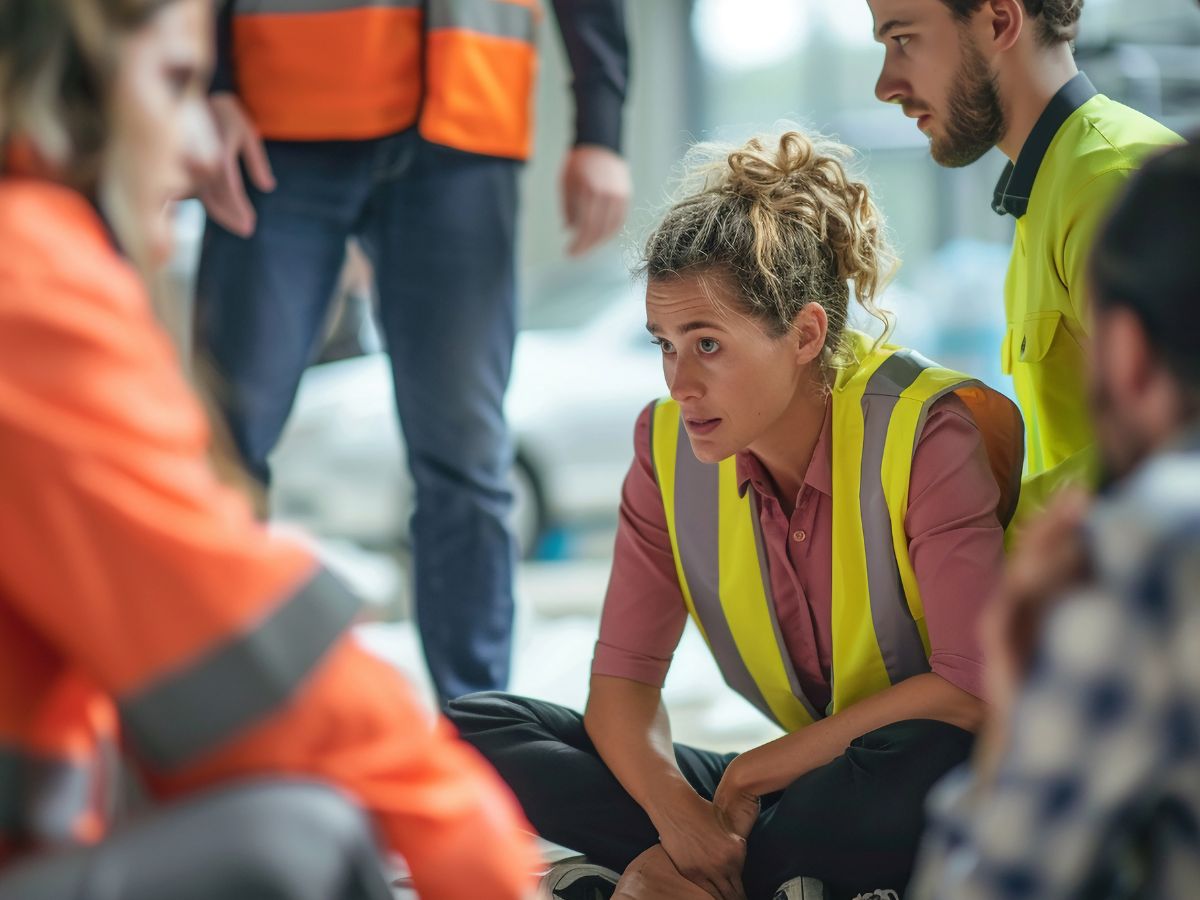
Flash flooding. Earthquakes. Terrorist attacks. When the unthinkable happens, governments, practitioners and citizens must respond swiftly and effectively. But how can you prepare for a crisis that has not yet happened? In DRIVER+, 31 partners from 14 countries use the collective power of their insight and experience to help countries take full advantage of crisis management innovation, so that every nation can be ready to respond when needed.
The European Commission-funded DRIVER+ (Driving Innovation in Crisis Management for European Resilience) project developed a multifaceted platform of tools and resources that can help governments and practitioners effectively prepare for the crucial hours, days and weeks following a crisis.
DRIVER+ aims to make resources and insights available to all stakeholders, and provide the tools for effective trials that identify the strengths and weaknesses of various socio-technical solutions.
No two countries – or crises – are alike. So DRIVER+ offers tools, lessons learned and information so that modular, flexible solutions can be developed that meet the individual needs of each crisis. Through effective trials, countries can develop capabilities and anticipate future needs, and stay one step ahead of the increasing magnitude of crisis situations.
Information about new and existing technological innovations can help them make cost-effective and objective decisions. And insights from those who have experienced similar crises help guide trial development.
TNO works continuously to develop new knowledge in the rapidly changing security and technology areas of crisis management. Together with our partners, we help increase societal resilience with science and technology.
As Technical Coordinator for DRIVER+, TNO safeguarded the day-to-day management and scientific output for the consortium, including coordinating the inputs from all 31 technology and stakeholder partners. We also developed the technical infrastructure for the open-source, online platform known as the pan-European DRIVER+ test-bed, which further contains the Trial Guidance Methodology, the Trial Guidance Tool and Training Modules.
To make the test-bed available to as many users as possible, TNO ensured that it easily connects to legacy IT systems, and also supports data collection during a trial. In this way, the test-bed supports testing the validity and efficacy of crisis management innovations in realistic situations.
DRIVER+ also delivered a Portfolio of Solutions, which catalogues crisis management solutions at various Technical Readiness Levels, and categorises them by function and gaps. DRIVER+ users can continuously ‘feed’ this portfolio with experiences from their trials. The Lessons Learned Library, Crisis Management Innovation Network Europe and Centres of Expertise Network connect users with resources for additional support.
After five large-scale, multi-stakeholder trials and validations, DRIVER+ concluded in 2020. Now fully operational, DRIVER+ is a single resource for governments and practitioners who aim to prepare for crises effectively, and with the benefit of other countries’ experience.
TNO and our partners have developed a significant contribution to a safer, more secure Europe. In fact, the European Research Executive Agency, which funded the project, named it one of the Breakthrough Projects of 2020, due to the size, scope and impact of the project.
In June 2025, the European Commission awarded the Security Innovation Award 2025 during the Security Research Event. This award highlights visionaries who are at the forefront of developing advanced solutions to protect our society. The thematic award for the 'best open-source innovation' was granted to DRIVER+.
CHE: Helping Europe achieve Paris Agreement goals
Achieving our Paris Climate Agreement objectives will require a way to independently and quantifiably measure CO2 emissions. TNO, and 22 partners from 8 European countries, proved it was possible in CHE.
In order to achieve the Paris Agreement climate goals, every country must act to reduce CO2 emissions. But without an independent, global observation and monitoring system, it will be difficult to measure progress and understand the true impact of these reduction efforts. The European Commission funded a consortium of experts from eight European countries to start developing this monitoring system, and TNO played an essential role.
In the CO2 Human Emissions (CHE) project, 22 partners from 8 European countries investigated the potential to monitor anthropogenic (human-made) CO2 emissions and their origin across the world. With a combination of observation, modelling and data assimilation, CHE explored the viability of a combined satellite- and ground-based system that could regularly monitor CO2 and track its dispersion in the atmosphere.
An important component of the project was to isolate these anthropogenic emissions, as opposed to the natural CO2 fluxes that are an essential component of the biosphere, like those that come from volcanos, forests and agriculture.
The challenge of accurately monitoring CO2 is that anthropogenic CO2 can remain in the atmosphere for up to 100 years and can be carried great distances through wind and weather. Therefore, identifying their source and origin is complex, and measuring them can be difficult.
CHE aimed to combine a variety of techniques that have proven useful for monitoring atmospheric composition. In this way, the strengths of each technique can be amplified, and the weaknesses reduced, when focusing on CO2. With new models and new techniques, CHE defined and addressed the various uncertainties of CO2 monitoring, including the type of emission, atmospheric influence, transport, observation technique and more. In this way, this relatively small consortium has been able to make a major contribution to the effort to reduce climate change.
Each partner in CHE offered unique expertise, and provided an essential component to make CHE a success. TNO’s Space Industry and Climate Air & Sustainability teams contributed their expertise in simulation techniques and emission inventories to develop a library of simulations and models that mimic the actual movement of CO2 plumes, and therefore provide the foundations for monitoring and observation in satellite systems and ground stations. TNOs contributions ensure that monitoring anthropogenic CO2 is accurate and effective.
Not only was CHE able to provide conclusive evidence that this innovative system can be capable of monitoring European and global anthropogenic CO2, but the consortium also received praise from the EC’s Research Executive Agency (REA), which named CHE one of its 10 Breakthrough Projects of 2020. After the project’s successful conclusion, REA provided funding for its follow-up: CoCO2, which will further develop the CHE concepts and deliver a prototype anthropogenic CO2 emission estimation system.
Once the system is in operation, it will provide an accurate and independent view of the greatest sources of anthropogenic CO2, allowing for targeted mitigation activities and support for countries as they address their Paris Agreement commitments. These observations will ensure that the Paris Agreement goals remain on track, and together, Europe lives up to its commitment for change.
By partnering in consortia like CHE, TNO reaffirms its commitment to working with other European countries to address some of the biggest challenges of our time.
ViruScan: Revolutionary Advancement in Virus Diagnostics

Long before COVID-19, when Ebola and Zika virus were major challenges, the European Commission went in search of a novel and rapid technology to better identify viruses in humans. As part of its Horizon 2020 project, Consejo Superior de Investigaciones Cientificas (CSIC) in Madrid asked TNO to contribute to this Future & Emerging Technology. And today, TNO is helping to bring the project closer to a game-changing advancement in viral identification.
Standard testing for viral infection currently relies on Polymerase Chain Reaction (PCR) tests to confirm diagnosis of a specific, suspected viral infection. But PCR testing does not identify multiple viruses in a sample, nor does it indicate viral load or infectivity. The European Commission offered CSIC the opportunity to develop a faster, more versatile method for identifying viruses more completely.
ViruScan aims to enable personalised treatment for those suffering from multiple infections. The technology can also potentially reduce the use of ineffective antibiotics and viral inhibitors, increase blood transfusion safety, and offer a reliable response to emergency outbreaks of viruses like Ebola, Zika, coronavirus and novel virus strains.
CSIC approached TNO based on our respectable technical expertise on nano optomechatronics and integrated nanophotonics. TNO is committed to contributing to European innovation in any way possible. So when CSIC called on TNO for assistance with ViruScan, our optomechatronics and optics teams got to work to identify and realise a solution.
Viruses have specific physical properties, such as mass and stiffness. In the ViruScan project, CSIC’s aim is to develop a device sensitive enough to identify individual viruses based on their physical properties. And for that, they needed the most sensitive scales ever developed.
Viruses are around 1/100 the size of a human cell, in the order of an attogram (10-21 kg). And until now, no technology was capable of detecting the mass and stiffness of individual nanoparticles. But TNO’s expertise in optomechatronics will make it possible to detect mass and stiffness of individual viruses. ViruScan is close to developing the technology to not only identify the viruses present in a sample, but also their infective potential and viral load.
With this information, medical professionals will be able to accurately identify viruses more rapidly, and account for variations in infectivity and viral load to adjust the right treatment for patients. Instead of confirming suspicions using PCR testing, ViruScan will allow precision diagnostics based on actual viral presence in a sample.
By assisting CSIC in its ViruScan work, TNO also advances its own knowledge and understanding of the application of optomechatronics and integrated nanophotonics for medical diagnostics and other industry breakthroughs. By sharing knowledge and resources with other leading European innovators, TNO advances both its own innovation objectives, and the EU’s work on technologies that benefit society.
ViruScan and its related technologies have been recognised no fewer than six times on the European Commission’s Innovation Radar. Not only the development of the ViruScan device, but the team’s work on developing the most complete database of the biophysical properties of viruses and how they relate to infectivity have been recognised as Key Innovators. TNO has therefore contributed to Future & Emerging Technologies that can impact health for people around the world.