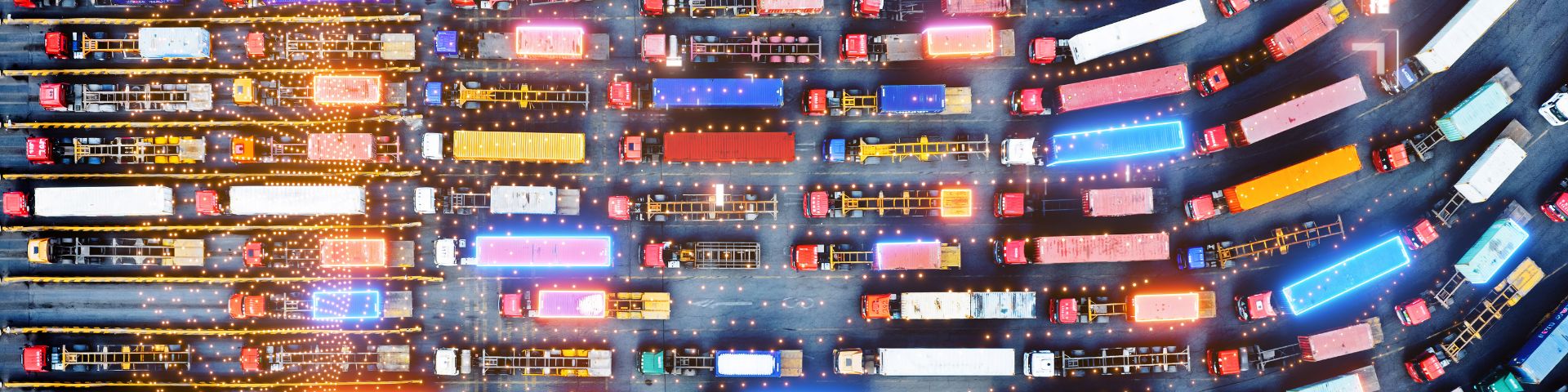
Future-proof supply chains with self-organising logistics
As a key European logistics hub, the Netherlands faces growing challenges that threaten its strong position. TNOs vision on self-organising logistics focuses on ‘doing more with less’ and researches the concept of large-scale asset sharing in systems of connected logistics networks to enhance efficiency, reliability, and sustainability.
Did you know that self-organisation can increase fleet efficiency by as much as 25%? And collaboration between European road transport companies can reduce empty mileage by 16%? TNOs Future Proof Smart Logistics programme aims to transform logistics by sharing assets and ‘doing more with less’. Self-organising logistics is closer than you think.
What are challenges in logistics?
The Netherlands, a major European logistics hub, contributes €65 billion in value and employs 673,000 people, but faces significant challenges. The logistics sector is facing an increasing number of challenges that are exacerbated by the expected growth of freight transport of up to 20% in 2030:
- A rapid and strong reduction in emissions is urgently needed considering that the transport sector is the only sector with growing green house gas emissions;
- Security of supply is challenged by disruptions, such as climate related events and geopolitical tensions;
- The current logistics system has to deal with increasing levels of scarcity of transport infrastructure, energy and workforce.
Individual companies are not able to deal with these challenges which is recognised by the logistics sector itself, but effective and feasible solutions are not available.
Future Proof Smart Logistics
TNO believes that a system change in logistics will lead to more efficient use of resources. Studies show that self-organization and fleet collaboration can increase fleet efficiency by 25% and reduce empty mileage upto 16%. This higher efficiency cuts resource use, energy consumption, and emissions by incorporating sustainable alternatives.
The Future Proof Smart Logistics programme promotes shared assets and collaborative planning across open logistics networks to boost efficiency, reliability, and sustainability. The European Technology Platform ALICE estimates a 30% reduction in emissions and congestion.
As logistics supports all sectors, improved services will enhance the earning capacity of Dutch industry. Society will also benefit from significant contributions to sustainability and accessibility goals set by Dutch and European governments.
More profit with smart logistics
Smarter together in the logistics sector
Ask an entrepreneur in logistics about the challenges in the sector, and an endless list follows.
TNO and Plantanious organise logistics for greater supply security
Horticulture company Plantanious asked TNO: How does a plant get from A to B efficiently?
Our impact


(Inter)national collaborations
Together with industry partners and academic partners TNO advances knowledge on self-organising logistics and provide technical solutions to conduct follow-up research and integrate self-organisation into both current and future logistics systems, such as the Physical Internet.
Our joint research projects include:
In the Future Proof Smart Logistics Programme TNO will work towards a working integrated and scalable solution together with logistics companies, knowledge institutes and governments.
Trust between collaborating companies is a very important factor for the success of the proposed solution. Therefore, both from organisational and technological perspective innovations are developed and applied to gain, confirm and safeguard trust over time. Activities will focus on the following innovations on multiple levels:
- Organisation (multilateral scalable horizontal (and vertical) collaboration);
- Digital technologies (trusted, easy accessible data sharing solutions);
- Logistics (data driven decentral planning algorithms);
- System-of-systems integration and alignment (fit of subsystems into an ecosystem).
TNO has developed Talking Trucks to make a truck fleet self-organizing, together with DHL express, Van Berkel Logistics, Smartport and TU Delft.
TNO is part of the BrightSky consortium and collaborates with JetSupport, Royal Schiphol Group, KLM, Vanderlande, t-hive and Amsterdam University of Applied Sciences on researching self-organising, autonomous, air-side fleets.
TNO is involved in Next Level Logistics, a large-scale research initiative by Logistics Community Brabant and Midpoint Brabant, aimed at reducing emissions and promoting a cleaner environment in Brabant.
Why TNO
TNO has the potential to drive this complex system change with a significant economic and societal impact, thanks to its extensive sector knowledge, deep expertise in technological and organisational solutions, building blocks from recent projects, and its independent position.
TNO's interdisciplinary expertise spans collaborative business models, secure data-sharing ecosystems (cryptography and data sovereignty), autonomous systems and self-organising algorithms, all converging into a unified solution.
While still under development, TNO aims to:
-
…develop a self-assessment tool to help individual or collective transport companies gain insights into the potential effects of transitioning to self-organising logistics.
-
…support shippers, carriers, logistic service providers and logistic IT providers with insights on the impact of applying innovative technologies.
-
…explore which algorithmic methods and technological solutions are most suitable for effective implementation of self-organising logistics systems.
Collaborate with TNO?
TNO seeks collaboration with academic partners to research self-organisation in logistics, with IT providers to integrate self-organisation into their logistics portfolio, as well as transport companies to test, validate and implement smart logistics solutions.
Contact us
-

IJsbrand Kaper
Functie:Business Developer-
Standplaats:Den Haag - New Babylon
-
Email:Email IJsbrand
-
-

Jaco van Meijeren
Functie:Senior Lead Consultant Supply Chain InnovationAt TNO, I focus on innovations of new and improved technologies, processes, strategies and practices within freight transport, logistics and the supply chain network to improve efficiency, reliability and sustainability for companies, governments and society. Main topics concern digitalization (data driven (de)central logistics planning) and automation (connected automated transport).
-
Standplaats:Den Haag - New Babylon
-
Email:Email Jaco
-
Get inspired
Five future scenarios to support choices in the heat transition

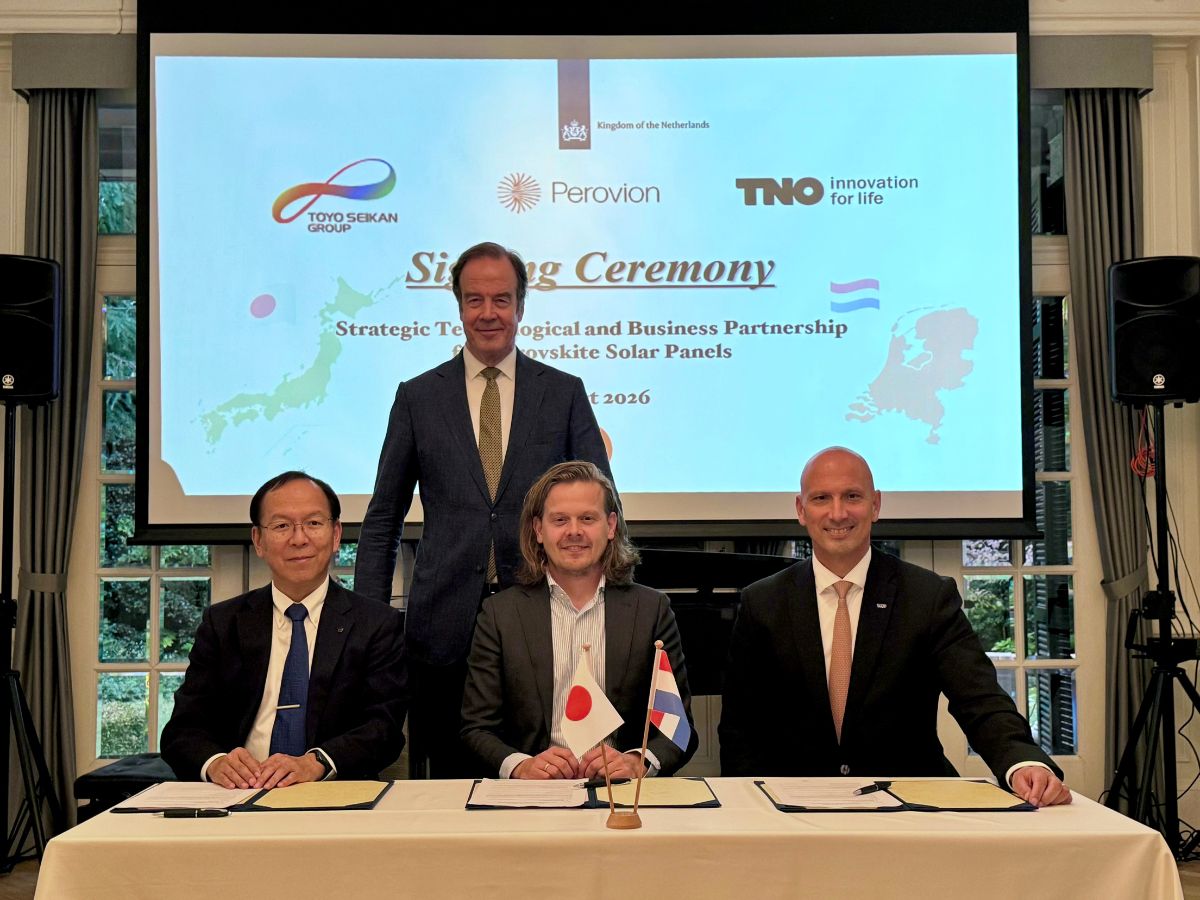
TNO, Perovion Technologies and Toyo Seikan Group Holdings accelerate joint development toward the industrialization of flexible perovskite solar cells
Sarcopenia and frailty

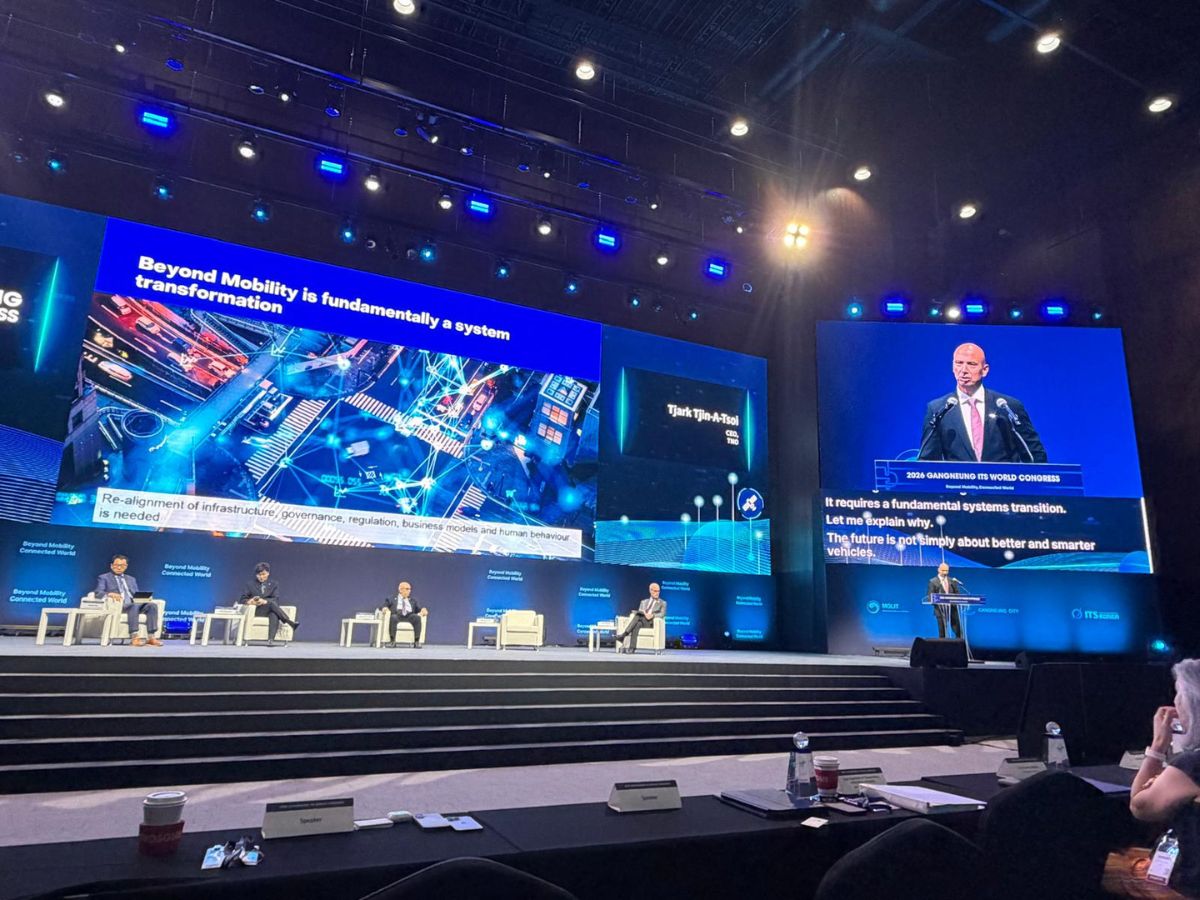
Beyond mobility: the real challenge is making the system smarter
RNA editing makes a protective gene variant available to patients who lack it naturally