The energy system of the future
Imagine an energy system that always works, is affordable for everyone, and emits no CO₂. A system where companies are not hindered by grid congestion, municipalities can build without energy shortages, and Dutch industry remains competitive in a changing world.
This is the concrete ambition for 2050. The Netherlands aims for a climate-neutral energy system that is not only sustainable but also reliable, affordable, and fair. A system that can anticipate the energy needs of current and future generations. Such a system must seamlessly integrate all parties and components.
At TNO, we are committed to making this ambition a reality. We accelerate the energy transition by developing technological and social innovations, analyzing system challenges, and connecting stakeholders and processes.
The energy system of the future
Our current energy system was not designed for today’s reality. It still operates according to the old model: large power plants generate electricity, which is distributed via the grid to consumers. But alongside various decentralized sources such as wind and solar farms, millions of households and businesses now produce energy themselves. And energy demand is becoming increasingly unpredictable.
To advance the energy transition, the energy system of the future takes a different approach. Instead of merely transporting electricity from A to B, it smartly connects different energy forms.
Surplus solar power is not wasted but heats neighborhoods via district heating or is converted into hydrogen for industry. Electric cars charge when the wind blows and feed power back to the grid during peak hours. Local energy communities collaborate with large offshore wind farms. Smart systems predict when a factory needs power and align this with weather forecasts. The entire system becomes flexible, efficient, and ultimately more cost-effective.
How do we make this happen?
Building an integrated energy system does not happen overnight. It requires targeted innovation and collaboration between technology, policy, and society. TNO is working on essential pillars that together form the foundation for a future-proof energy system.
The energy transition demands an electricity grid that is smarter, more flexible, and more resilient than ever. TNO collaborates with grid operators, governments, and technology partners to develop smart networks that match supply and demand in real time and prevent congestion, from offshore wind to onshore industry.
We research how increasing energy production from the North Sea can be integrated with onshore systems. By developing and testing digital solutions, energy management systems, and predictive models in field labs, we create knowledge and technologies that help prevent congestion and ensure security of supply.
Goal: By 2030, at least five smart regional energy systems will be operational, structurally preventing congestion and supporting the integration of renewable energy.
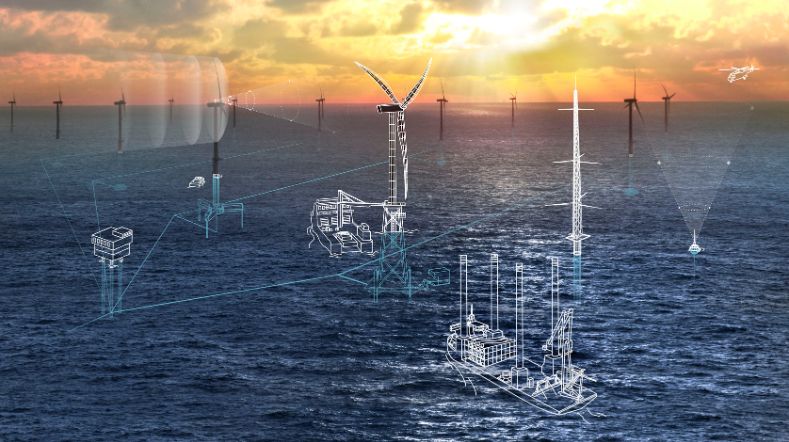
The North Sea is becoming a crucial link in our sustainable energy supply. To unlock its full potential, more is needed than wind farms alone. TNO is working on a multifunctional offshore system that combines wind energy, hydrogen production, CO₂ storage, and energy storage within limited space.
Together with governments, companies, and European partners, we are developing an integrated offshore energy system, focusing on ecology, safety, security of supply, and economic value. We test system couplings, develop new technologies, and enable spatial integration through international collaboration programs.
Goal: By 2028, a large-scale 2 GW pilot will be operational, integrating offshore wind, hydrogen production, energy storage, and CO₂ transport. This pilot will form the basis for a strategically independent and future-proof offshore energy system.
Renewable energy generation is growing rapidly. By 2050, we expect 70 GW of wind energy and up to 183 GW of peak solar capacity. These variable sources are essential for a climate-neutral energy system but pose major challenges for grid stability.
TNO helps governments, grid operators, and companies integrate these sources intelligently. We focus on scaling up energy storage solutions, demand-side management for industry, and behavioral change at all levels. By combining technological innovation with smart data use and human-centered strategies, we optimize energy distribution, reduce peak loads, and strengthen grid stability.
Goal: By 2030, grid congestion in the most vulnerable regions will be structurally resolved at socially acceptable costs through smart control, flexible storage, and behavioral solutions.
The energy transition in buildings requires smart, affordable, and sustainable solutions for both heating and cooling. TNO supports governments, housing corporations, and market players as an expert partner in developing strategies, policy instruments, and practical tools.
We are building an integrated ecosystem of tools that help local and regional authorities plan, design, and implement sustainable heating and cooling systems. This includes redesigning district heating networks, making homes and business parks more sustainable, and electrifying heating and cooling affordably, a growing need due to climate change.
Goal: By 2030, a comprehensive long-term strategy will be in place, including a blueprint for tools, a development roadmap, and a continuity plan. Together, we are building a future where everyone has access to comfortable, sustainable, and affordable heating and cooling.
The energy transition fundamentally changes our economy and society. Policymakers must make complex, interconnected decisions under great uncertainty, with far-reaching consequences for citizens and businesses. This requires vision, government coordination, and guidance, supported by up-to-date insights into technologies, impacts, and system dynamics.
TNO helps governments, companies, and industry develop and monitor effective, future-oriented energy policies by providing integrated data, tools, and expertise. Whether it concerns the role of nuclear energy, tackling energy poverty, strengthening business competitiveness, or shaping European cooperation, we map technological, economic, and social impacts comprehensively.
Goal: By 2030, every major policy decision on the energy system from infrastructure to affordability, will be based on validated insights for a sustainable, inclusive, and strategically resilient energy system.
The energy transition requires collaboration between grid operators, governments, energy companies, technology firms, and citizens. Data harmonization is crucial so that stakeholders can share and understand information. This promotes more efficient decision-making and accelerates the implementation of sustainable solutions.
TNO facilitates the development of an efficient and FAIR data system. Findable, Accessible, Interoperable, and Reusable. We define data standards, establish uniform principles and conditions, and develop a coherent landscape of databases and tools. This maximizes the use of data to support an integrated energy system.
Goal: By 2030, national and international data standards for energy planning and modeling will be available, and a reliable, up-to-date data system will be in place, accepted by the market and supported by data and information tools.
Will you help build tomorrow’s energy system?
As a bridge between science and practice, we collaborate with many different parties in the energy transition. From governments, municipalities, and provinces to universities, grid operators, companies, and industry.
We:
- Develop policy scenarios, analyze the impact of energy measures, and advise on investment strategies for sustainable infrastructure for governments.
- Test smart grid solutions, forecast energy demand, and develop tools to prevent congestion without costly grid expansion for grid operators.
- Research new technologies for energy storage, optimize offshore systems, and support the integration of renewable sources for energy companies.
- Develop solutions for demand-side management, support the transition to hydrogen and CO₂-neutral processes, and strengthen competitiveness for industry.
- Provide tools for energy planning, strategies for heat transition, and support for implementing local energy projects for municipalities and provinces.
Contact us
-

Mark Overwijk
Functie:Division Director Energy Supply-
Standplaats:Rijswijk - Kesslerpark
-
Email:Email Mark
-
-

Iratxe Gonzalez Aparicio
Functie:Portfolio Manager System Integration Wind EnergyEducated as chemical engineer, Iratxe holds a MSc on climatology and a PhD on applied physics about meteorological modelling. Over 15 years of professional experience on climatology and integration of renewables in the power system gained on different research institutes around Europe: Tecnalia (Spain), Danish Meteorological Institute (Denmark) and European Commission (Italy and The Netherlands). Always open for multidisciplinary discussions to have larger impact on innovation and solutions for industry.
-
Standplaats:Petten - Westerduinweg
-
Email:Email Iratxe
-
-

Rene Peters
Functie:Business Director Gas Technology-
Standplaats:Rijswijk - Kesslerpark
-
Email:Email Rene
-
LinkedIn:Rene on LinkedIn
-
-

Joris Koornneef
Functie:Strategy Consultant-
Standplaats:Utrecht - Princetonlaan
-
Email:Email Joris
-
-
Mark van Ommen
Functie:Senior Business Developer Energy Transition GroupMark is an enthusiastic business developer for the energy transition group at TNO. To manage the enormous efforts of all parties involved in the energy transition, cooperation is crucial. 'I like to bring TNO's research, innovations and technologies to the attention of the right parties so that they can become more sustainable, accelerate the energy transition and implement targeted policies.'
-
Standplaats:Utrecht - Princetonlaan
-
Email:Email Mark
-
LinkedIn:Mark on LinkedIn
-
-
Luc Kikkert
Functie:Senior Business Developer Critical Raw MaterialsLuc orchestrates relationships between companies and creates opportunities for innovations in critical raw materials. He has a clear mission: stay within the limits of our planet. Please contact Luc if you want to talk about critical raw materials and battery recycling.
-
Standplaats:Utrecht - Princetonlaan
-
Email:Email Luc
-
LinkedIn:Luc on LinkedIn
-
-

Charles Lansu
Functie:Senior Business Developer-
Standplaats:Amsterdam - Radarweg
-
Email:Email Charles
-
LinkedIn:Charles on LinkedIn
-
Get inspired
Smart Energy Networks & Grid Solutions
TNO and Jungle AI collaborate to detect cyberattack on wind turbine and improve detection capabilities
Wind energy webinars

Webinar: System transformation in offshore renewable supply
SWITCH tackles the energy issues of the future