Reïnkarneer: The foundation for reliable data on recycled materials
Status
2025 - 2027
Partners
Cirmar / FBBasic, Reuz Polymers, TI‑COAST, Zuyd Hogeschool, CHILL en Rd4
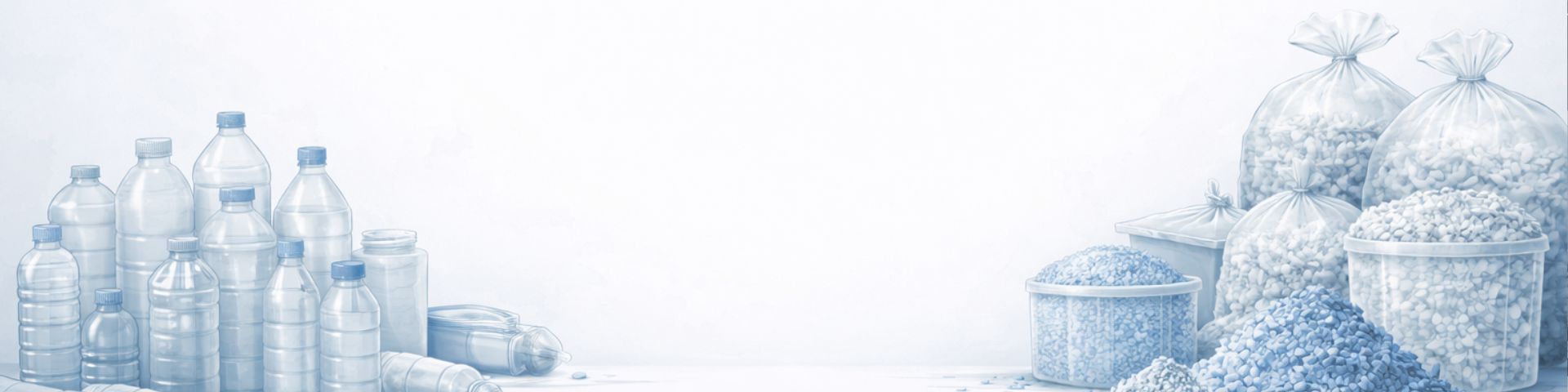
A circular economy can only succeed if materials come with clear, reliable and comparable information. Today, companies struggle to apply recycled content at scale because material data is fragmented, inconsistent or missing altogether. This creates uncertainty about quality, origin and performance making reuse complex, risky and costly. By developing a shared language for recycled materials, this project helps turn recyclates into a trusted and scalable alternative to virgin resources.
Why this matters
The use of recycled content is no longer optional, it is becoming a business and regulatory necessity. Yet in practice, adoption remains limited. Structural barriers include:
- No consistent way to characterise recycled materials
- Lack of transparency in quality and origin
- Rising geopolitical pressure on resources
- Dumping of low‑cost virgin plastics
- Growing demand for verifiable data
- Tightening European legislation
Without clear definitions and shared standards, applying recycled content remains complex, risky, and often not commercially viable.
The project Reïnkarneer changes this by making recycled content understandable, comparable and trustworthy, for everyone in the value chain.
Who we are and what we do
Reïnkarneer is a collaborative innovation project in which industry, knowledge institutes and government bodies work together. Co‑funded by the European Union, the project brings partners across the value chain together to develop a shared system for describing, assessing and applying recycled content.
Three essential building blocks are being developed:
- Standardised material characterisation
- A uniform coding and naming system
- Digital Product Passports (DPPs) capturing properties, origin and recommended applications
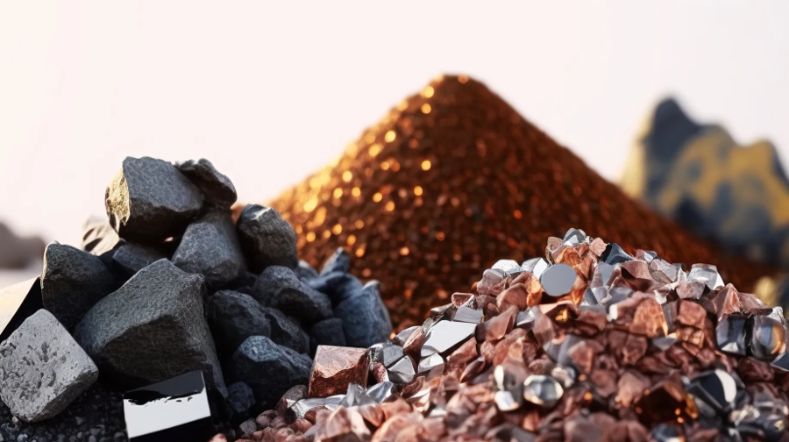
Together, these components form a shared language that enables industry to scale up high‑quality recycling and reuse. First for plastics, and later for metals, minerals and biogenic materials.
The project combines literature research, material analysis, AI‑driven modelling, and crucially, practical use cases. By working with real materials and real industrial partners, the system becomes immediately applicable and recognisable.
TNO’s contribution
TNO provides the technological backbone of Reïnkarneer.
We bring in:
- Machine‑learning‑based quality assessment using RecyQMeter
- Expertise in circular plastics and material modelling
- Advanced sensor and inline characterisation technologies
- Data‑processing methods linked to Digital Product Passports
With these capabilities, TNO helps determine recyclate quality reliably and identifies the highest‑value applications supporting smarter design, processing and reuse across the chain.
Looking ahead
After completion, we provide a scalable framework for any material stream. It directly supports European policy developments such as the EU Green Deal, the Circular Economy Action Plan, and the upcoming Digital Product Passport (ESPR) requirements.
Future steps include upscaling prototypes, industrial implementation across sectors, and expanding the shared language to additional value chains. This positions regions and companies for faster innovation, better resource efficiency, and more competitive circular business models.
Get involved
Whether you are a recycler, material producer, designer, policymaker, waste processor, or manufacturing company, your insights matter.
Interested in joining a use case? Or curious how we can support CSRD‑ready data or product development? We’re happy to explore opportunities with you.
Contact us
-
Peter Versloot
Functie:Senior Business Developer Circulaire PlasticsPeter Versloot brings technology and markets together to create sustainable solutions. As a Business Developer at TNO, he focuses on the plastics sector, with expertise in Microplastics and Circular Plastics Modelling.
-
Standplaats:Eindhoven - High Tech Campus 25
-
Email:Email Peter
-
LinkedIn:Peter on LinkedIn
-
-
Milad Golkaram
Functie:Scientist Circular Economy‘I work as an assistant professor at Maastricht University one day a week. I’d love for the young generation to follow their passion and, if they don’t have one, to try to find one. You can achieve a great deal if you keep doing what you really love.’
-
Standplaats:Utrecht - Princetonlaan
-
Email:Email Milad
-
Get inspired
TNO smart windows applied in buildings and homes for the first time
Producing with sustainable materials
Fewer microplastics and higher yields in plastic recycling
New routes for sorting and composite separation
CRM materials and processes