Steel bridges: safety and service life of existing infrastructure
The Netherlands faces a major challenge in the replacement and renovation of its infrastructure. TNO plays a key role in researching, innovating and improving the safety of steel bridges in the Netherlands.
Fatigue
Many existing steel bridges are approaching the end of their originally intended service life, while also facing increasing traffic loads. Fatigue is a critical issue for these bridges: cracks can develop over time, posing a risk to the reliability of the structure.
At the same time, full replacement is often costly and socially disruptive. Asset managers are therefore exploring strategies to ensure safety while responsibly extending the service life of bridges.
From around the 1950s onwards, welded connections increasingly replaced riveted joints in Dutch steel bridges. This was a major innovation, as welding is much simpler and enables more slender designs. However, a drawback is that welded connections are more susceptible to fatigue under repeated loading, due to higher stress concentrations.
'The question we address for Rijkswaterstaat is: how can we arrive at a more accurate assessment of the structural strength? In other words, how can we demonstrate that these structures are stronger than previously assumed.' - Adri Vervuurt.
Adri Vervuurt, Senior Scientist Structural Safety at TNO: 'A key characteristic of fatigue is that it manifests over the service life by formation of cracks, well before the structure ultimately fails. The “advantage” of crack formation is that the effects of fatigue can be identified during the service life, for example through monitoring and measurements. The question we address for Rijkswaterstaat is: how can we arrive at a more accurate assessment of the structural strength? In other words, how can we demonstrate that these structures are stronger than previously assumed.'
TNO supports infrastructure asset managers in making better-informed decisions on inspection, maintenance and service life:

Advanced fatigue models
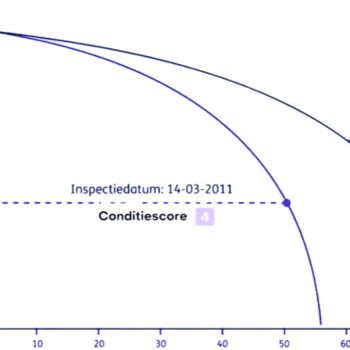
TNO develops probabilistic models based on fracture mechanics to predict crack growth and failure probabilities in steel structures.
Data analysis and monitoring
Advanced analysis of measurement data provides insight into the actual structural behaviour of bridges under load.

Infrastructure domain expertise
Our experts combine knowledge of structures, materials and operating conditions to deliver realistic and reliable analyses.
Managing uncertainty
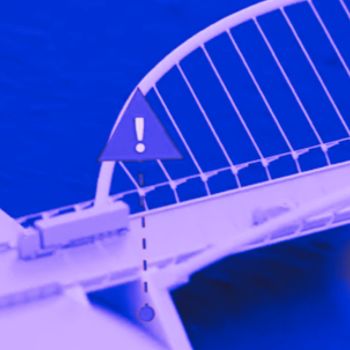
We explicitly identify uncertainties, enabling decisions to be based on risk rather than assumptions.
What value does this deliver?
- Better safety assessments
Model-based analyses provide asset managers with insight into the actual strength and remaining service life of bridges. - Smarter maintenance and inspection
By predicting where and when damage is likely to occur, inspections can be planned more effectively. This helps to avoid unnecessary costs. - Cost savings
Targeted inspections and maintenance result in significant cost savings. -
Less societal disruption
In practice, bridges can remain in service for longer, with demonstrated safety, until renovation. Improved planning reduces closures and minimizes disruption for road users.
'Thanks to standards and models, we now know which assets require renovation or replacement in the short term , and which can safely wait. This predictability in the renewal challenge is of great value to Rijkswaterstaat, particularly in light of increasing resource constraints and the fact that the main wave of renewal is yet to come.'
Our impact
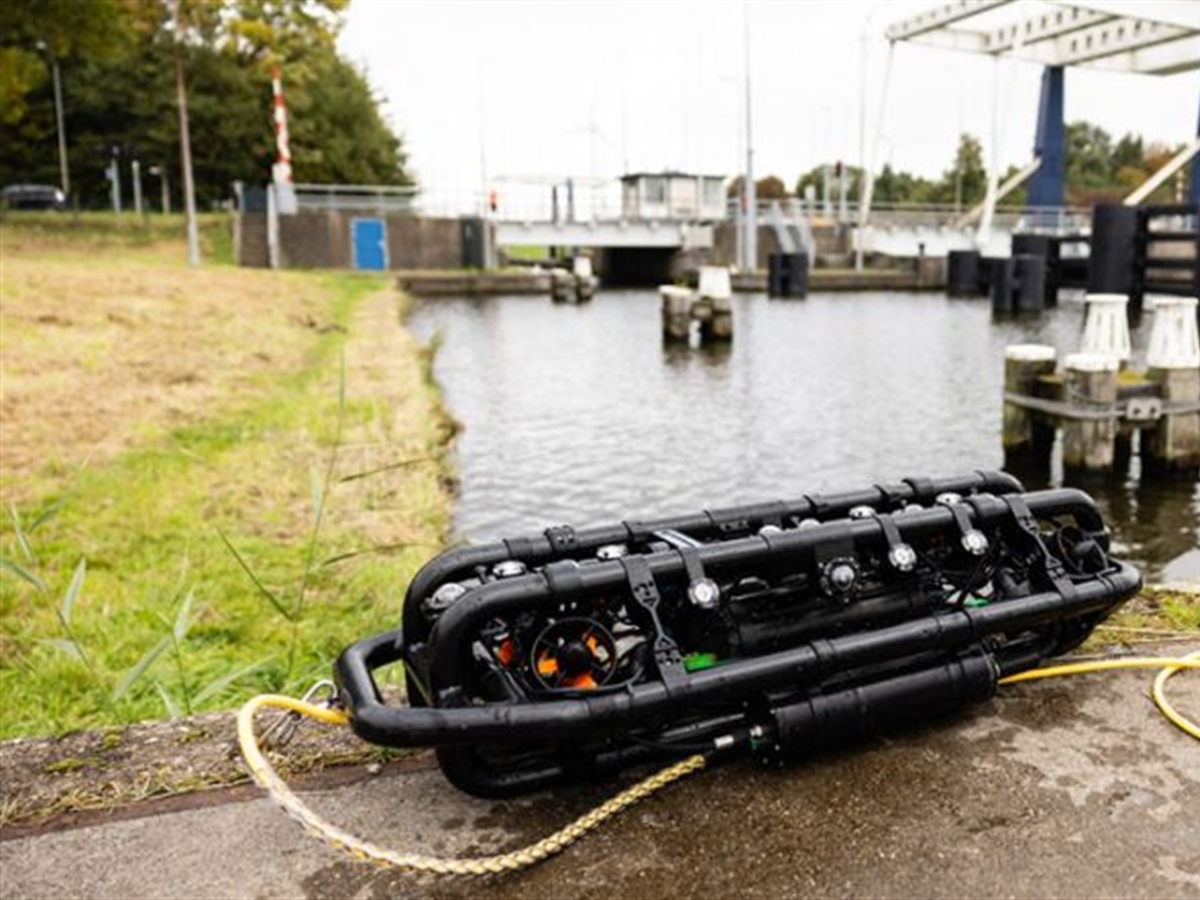
Safer underwater inspections: underwater drones providing insights into submerged infrastructure
Make informed decisions on maintenance and renovation with InfraScan

Why TNO?
For decades, TNO has worked with organisations such as Rijkswaterstaat and ProRail on the assessment and management of existing infrastructure.
Based on modelling, Rijkswaterstaat can estimate when crack initiation will occur in a steel bridge. As a result, a higher probability of failure can be accepted up to the next inspection than would otherwise be justified.
In other words, TNO’s model has enabled Rijkswaterstaat to plan its activities more effectively and reduce unnecessary inspection costs, without compromising road user safety. Asset managers actively use the model to define inspection intervals for structures.
Our expertise is relevant to:
- asset managers at Rijkswaterstaat, provinces and municipalities
- engineering and consultancy firms
- asset managers of bridges and other civil structures
- policymakers involved in infrastructure and replacement/renovation
Working together on future-proof infrastructure
Through the smart use of data, models, and expertise, TNO enables the safe life extension of existing steel bridges. In doing so, we contribute to an affordable, reliable, and sustainable infrastructure in the Netherlands. TNO supports organisations at various stages:
- analysis of existing bridge structures
- model development and validation using data
- risk and service life assessment
- advice on inspection, maintenance and renovationimplementation in guidelines and policy
Would you like to know more about how to extend the service life of your bridges? Please contact our experts or explore our projects and case studies.
Contact us
-

Jeroen Kruithof
Functie:Business DeveloperI would be happy to discuss the infrastructure renewal challenge with you. In doing so, I focus specifically on data-driven asset management and the lifespan extension of steel and concrete structures.
-
Standplaats:Delft - Molengraaffsingel
-
Email:Email Jeroen
-
LinkedIn:Jeroen on LinkedIn
-
-

Johan Maljaars
Functie:Principal Scientist at TNO and Professor at TU EindhovenMy research expertise and interests are in fatigue and fracture, structural performance, and fire resistance of steel and aluminium structures.
-
Standplaats:Delft - Molengraaffsingel
-
Email:Email Johan
-
-

Adri Vervuurt
Functie:Senior scientist integratorHello, my name is Adri Vervuurt, program manager within the Infrastructure cluster. You can come to me with questions regarding the behavior of concrete and steel structures, (traffic) loads on bridges and viaducts, and other inquiries related to structural safety.
-
Standplaats:Delft - Molengraaffsingel
-
Email:Email Adri
-
Get inspired
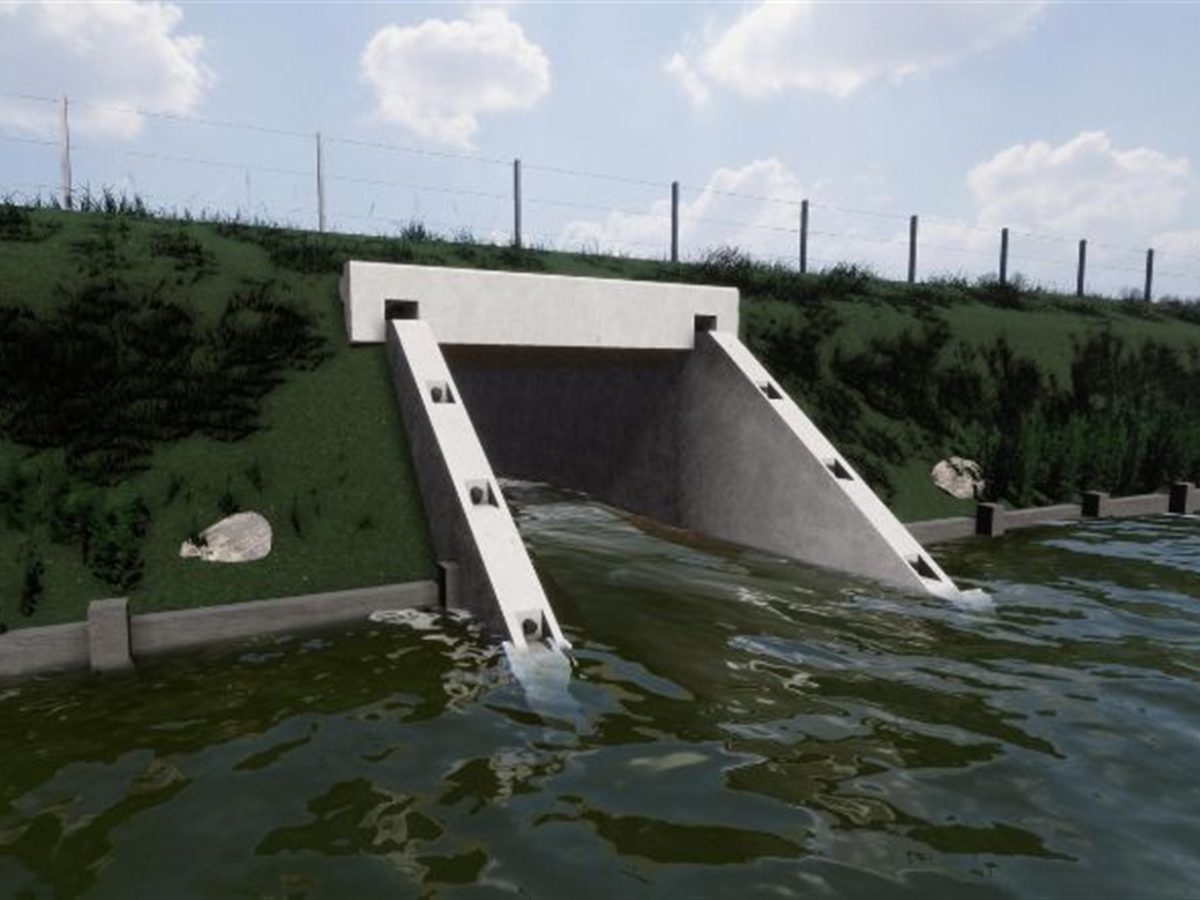
Modular culvert: faster construction, smarter replacement and fully circular
Safer underwater inspections: underwater drones providing insights into submerged infrastructure
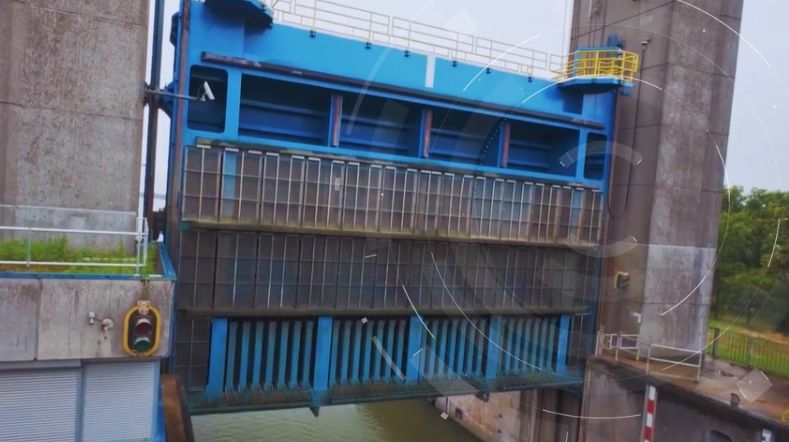
Old locks tell new stories
Make informed decisions on maintenance and renovation with InfraScan
Building Materials and Structures