Modular culvert: faster construction, smarter replacement and fully circular
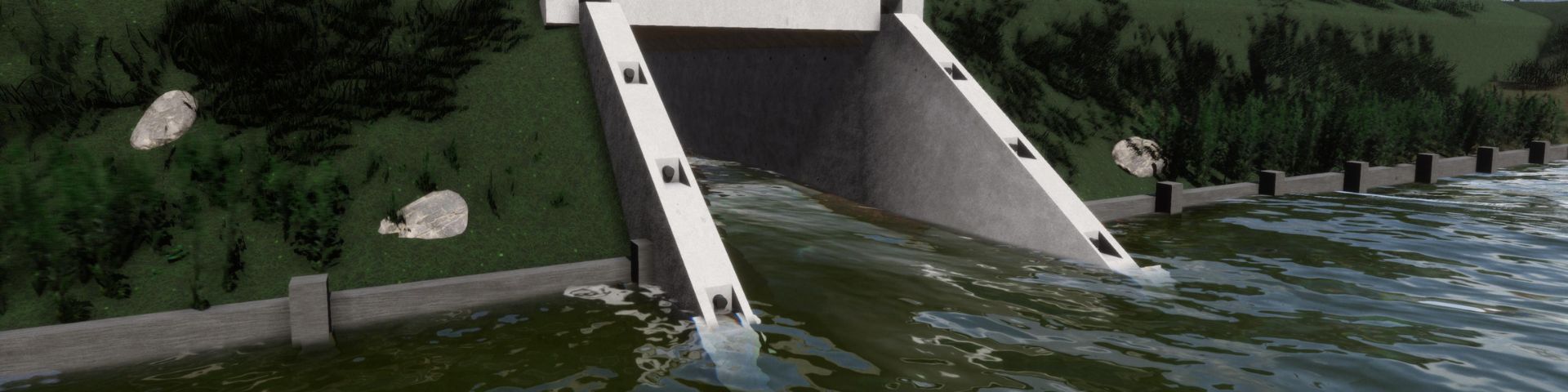
Imagine a concrete culvert that can be easily dismantled and reused. Made from sustainable INVIE® cement, reinforced with basalt instead of steel, and achieving around 50% lower CO₂ emissions compared to traditional culverts. Does it sound futuristic? Not at all. BAM, BTE, TNO and ProRail have developed a modular culvert system that is faster to build, easier to replace and fully circular.
A culvert is a small underpass, typically constructed from concrete, that allows water to flow beneath a road, railway or embankment. In doing so, it prevents flooding and helps maintain the accessibility of infrastructure. Traditional culverts are often customized, making adaptation or replacement time-consuming and costly.
Scalable
The modular variant works differently. Components can easily be dismantled, replaced or reused. In addition, the design delivers a significantly longer service life, lower maintenance costs and greater flexibility for future modifications.
This innovation is urgently needed. Underground infrastructure in the Netherlands is under pressure: the sector must become more sustainable while infrastructure assets must also be adapted or replaced more quickly, for example when roads are widened or when structures reach the end of their service life. This calls for solutions that are quick to construct, adaptable and reusable.
Three innovations in one system
The strength of the design lies in the combination of three innovations: concrete using circular INVIE® cement, basalt fibre reinforcement, and demountable connections.
This type of concrete has a much lower environmental footprint and reduces CO₂ emissions by approximately 50% compared to traditional culverts. The use of basalt instead of steel prevents corrosion, extending the lifespan of the structure and enabling demountability without the risk of reinforcement degradation. Thanks to the demountable connections, prefabricated elements can be easily assembled and disassembled, without demolition and while retaining material value.
Together, these innovations form a scalable concept that can be applied to various types of grade-separated crossings, from small culverts to future cycle or road tunnels.
From concept to practice
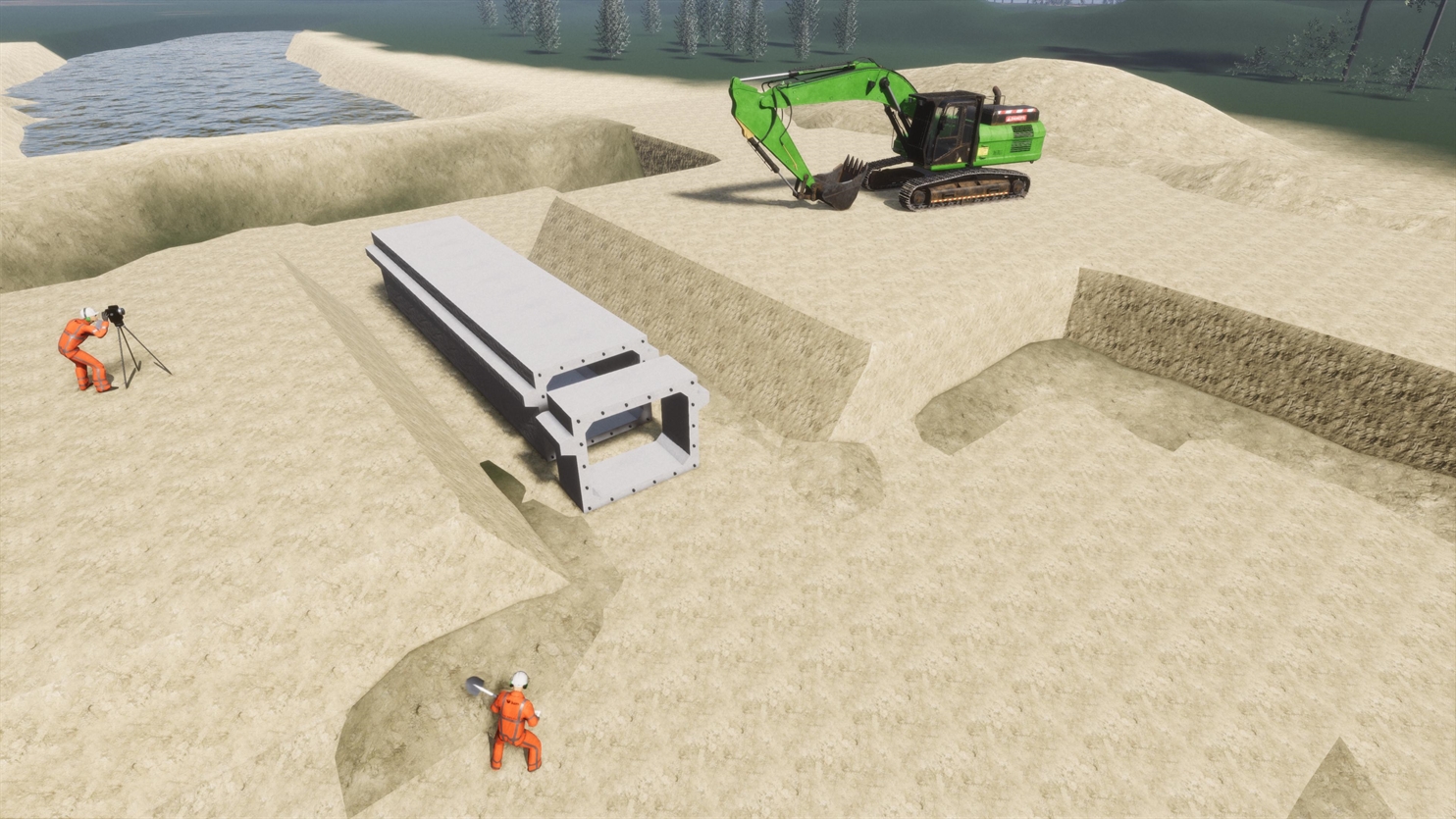
The system is being developed as a tangible example of a circular infrastructure asset. Whereas traditional underpasses are permanently fixed, this system offers a more flexible and sustainable prefabricated alternative at a comparable cost level.
Construction and testing of the prototype are scheduled for autumn 2026, with a first pilot project envisaged in early 2027. This marks an important step towards a new generation of demountable infrastructure assets.
Ready for the future
The demand for sustainable and circular infrastructure is increasing. At the same time, there is a growing need for solutions that can be delivered more quickly. The modular culvert system responds to both demands: it is a modular and scalable alternative that is sustainable. The system can be applied in road, water and rail projects.
With this innovation, BAM, BTE, TNO and ProRail are taking a joint step towards future-proof infrastructure, with modularity, reuse and low environmental impact at its core.
Contact us
-

Siska Valcke
Functie:Senior Scientist Integrator Building MaterialsI focus on holistic sustainability and circularity in the built environment. My research involves optimising and elucidating the technical performance of innovative building materials and their impact on the environment, costs, and safety of structures. This supports integrated decision-making and brings policy and practice closer together.
-
Standplaats:Delft - Molengraaffsingel
-
Email:Email Siska
-
Get inspired
Steel bridges
Safer underwater inspections: underwater drones providing insights into submerged infrastructure
Old locks tell new stories
Make informed decisions on maintenance and renovation with InfraScan

Building Materials and Structures