TNO develops ultrasound patch for organ monitoring
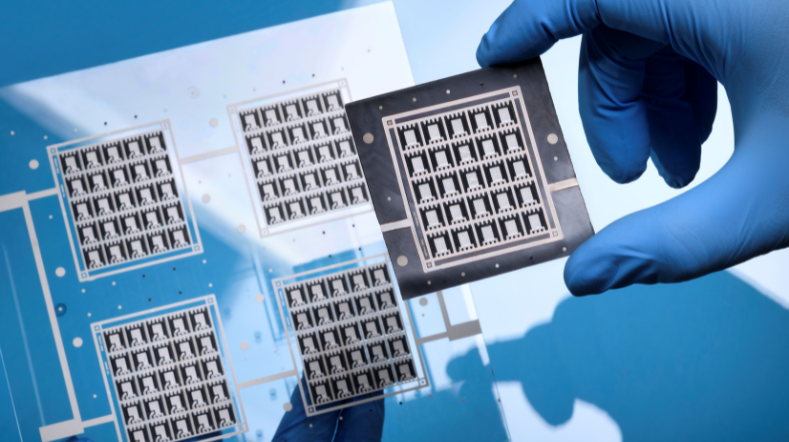
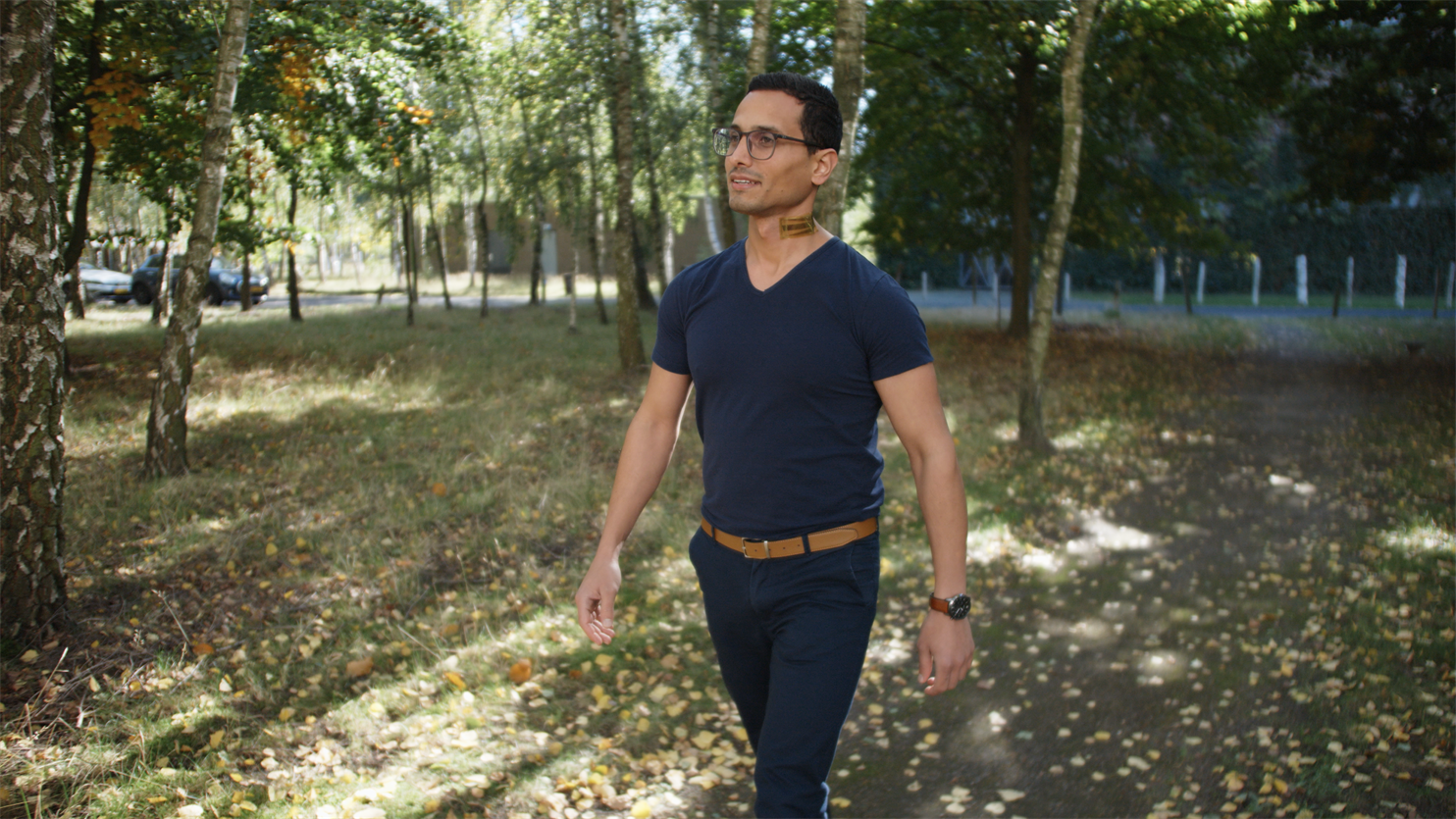
TNO has developed a technology that allows organs to be monitored via a flexible patch on the skin. Using sound waves, it creates images of an organ over a longer period of time. This eliminates the need to go to the hospital for examinations because the patient can be monitored at home. Nature Communications published about it this week.
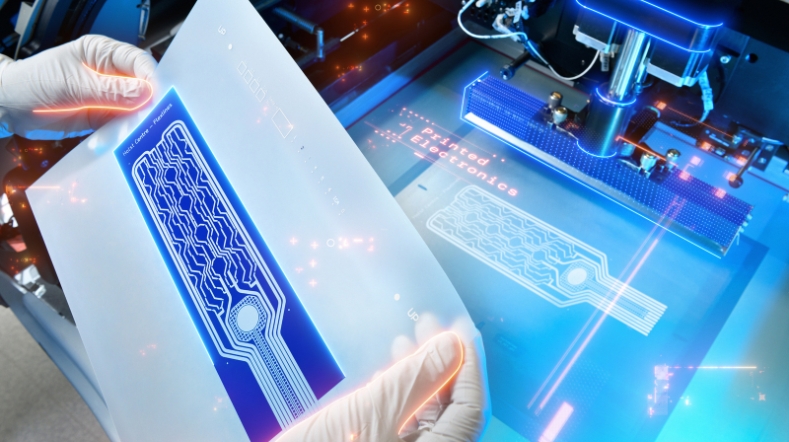
The patch (named PillarWave™) works by printing on a very thin plastic film specific structures that create an echo. By emitting and receiving sound waves, it creates an image of what is inside a body. Because it is possible to print very many of these structures over a large area, a very sharp image of the organ to be examined can be obtained.
Better and cheaper healthcare
The patch offers many advantages. Whereas measuring blood pressure or heart rate is often a snapshot, wearing a patch provides an image over a longer period of time. That results in a much better diagnosis and may even prevent unnecessary surgery. And many examinations can be done at the doctor's office or at home instead of the hospital, such as ultrasound monitoring of critical pregnancies. This makes health care not only more pleasant, but also better and cheaper.
Commercialization
The technology has been patented and there are discussions with medical equipment manufacturers about its applications. Current ultrasound equipment is rigid and difficult to incorporate into patches. In addition, the sensors are small and difficult to scale to large areas. With this technology, plasters or other ultrasound sensors can be made that are ultra-thin and flexible. This makes them much cheaper and manufacturable in large numbers. A spin-off PillarWave is expected to be established before the end of the year to take this technology further to market.
More information about PillarWave?
Contact us
-

Gerwin Gelinck
Functie:Principal ScientistIn my research I focus on the development of next-generation microelectronics and (integrated) photonics technology.
-
Standplaats:Eindhoven - Holst Centre
-
Email:Email Gerwin
-
Get inspired
Atum Systems raises €1 million for game-changer in plastic 3D printing
From non-recyclable to sustainable electronics: how TracXon is scaling the technology
Time setter story: the tech by Iris Kerkhof that you can feel on your skin

In the future, our electronics will simply come out of the printer
CITC becomes part of TNO: boost for chip packaging in Nijmegen