Discover your pathway to tomorrow’s energy system today
Governments and businesses face the complex challenge of aligning their policies and strategies with the energy and materials transition. Much remains uncertain, and there is no clear end-state in sight. Through leading expertise, tools and models, TNO provides unique insights that enable clients to develop robust transition pathways and chart a clear course towards a clean, competitive energy system and a resilient, circular industry.
Navigating the energy and materials transition
The energy and materials transition affects every level of society. Its technical, economic, political and societal complexity makes this dual transition difficult to predict.
Organisations seeking to develop a clear vision for the transition face complex challenges for which in-house expertise is often insufficient.
- Which energy scenarios should industry prepare for?
- What are the long-term developments in sustainable energy carriers, and which factors determine their cost and availability?
- Which measures are most effective in strengthening security of supply and European strategic autonomy in critical raw materials?
Amid this uncertainty, policymakers and decision-makers need integrated insights as well as clear perspectives for action.
What does TNO offer?
Our strength lies in helping policymakers and industrial decision-makers address complex transition challenges.
Through in-depth research, innovative models and multidisciplinary expertise, we provide objective, evidence-based insights that support informed decision-making.
For governments and industrial sectors, we assess the impact of policy measures to identify both opportunities and vulnerabilities. By developing clear transition pathways, we help organisations strengthen their competitiveness and resilience for the future.
What sets us apart is our multidisciplinary expertise in energy carriers, mobility, chemical processes and refining. We work closely with governments, European institutions, sector organisations, industry partners and knowledge institutes to deliver impactful solutions.
What makes our approach valuable?
In many cases, our expertise is unavailable elsewhere. We provide concrete policy options and assess their implications through structured analytical approaches. This gives our clients clear and actionable insights.
We carefully define the research question and are equally willing to draw on existing knowledge and studies when these can effectively meet a client’s needs.
Our advanced models provide integrated, quantitative insights into transition pathways, costs and price impacts. Examples include the OPERA model (developed with PBL), electricity market models, and international energy system models such as TIAM-ECN and TIMES.
Our experts interpret the quantitative outcomes generated by these models, including both certainties and uncertainties. We translate these findings into scenarios and transition pathways that enable clients to develop concrete policy options and business strategies.
We foster strong partnerships between governments, knowledge institutes, investors and businesses. By bringing stakeholders together in national and international consortia and networks, we create the synergies needed to accelerate innovation.
As a client, you benefit from the collaboration between TNO teams with complementary areas of expertise. This integrated approach delivers new perspectives and unique innovations.
Examples of our work
What will the future costs of the energy transition be, and how will they be distributed?
Together with PBL, CPB, CBS and RVO, TNO is building knowledge on these questions through the Integrated Cost Assessment of the Energy Transition (EIK) programme.
By analysing the energy system, the economy and associated costs in an integrated way, we provide insight into the effects of different transition pathways. This enables the Ministry of Climate and Green Growth (KGG) and other stakeholders to respond quickly to policy questions and make scientifically informed decisions.
Energy scenarios help policymakers make informed decisions about the energy transition.
Using the OPERA model, TNO develops scenarios extending to 2050. The ADAPT scenario follows a more moderate pathway with continued fossil fuel use, while the TRANSFORM scenario emphasises energy efficiency, behavioural change and large-scale deployment of wind energy.
The analysis shows that energy-intensive industry and international fuel production are major drivers of future energy demand. Electrification and green hydrogen lead to strong growth in electricity demand, while nuclear energy can complement wind and solar power within the future energy mix.
Through various projects, TNO works with organisations to strengthen security of supply and European strategic autonomy in critical raw materials.
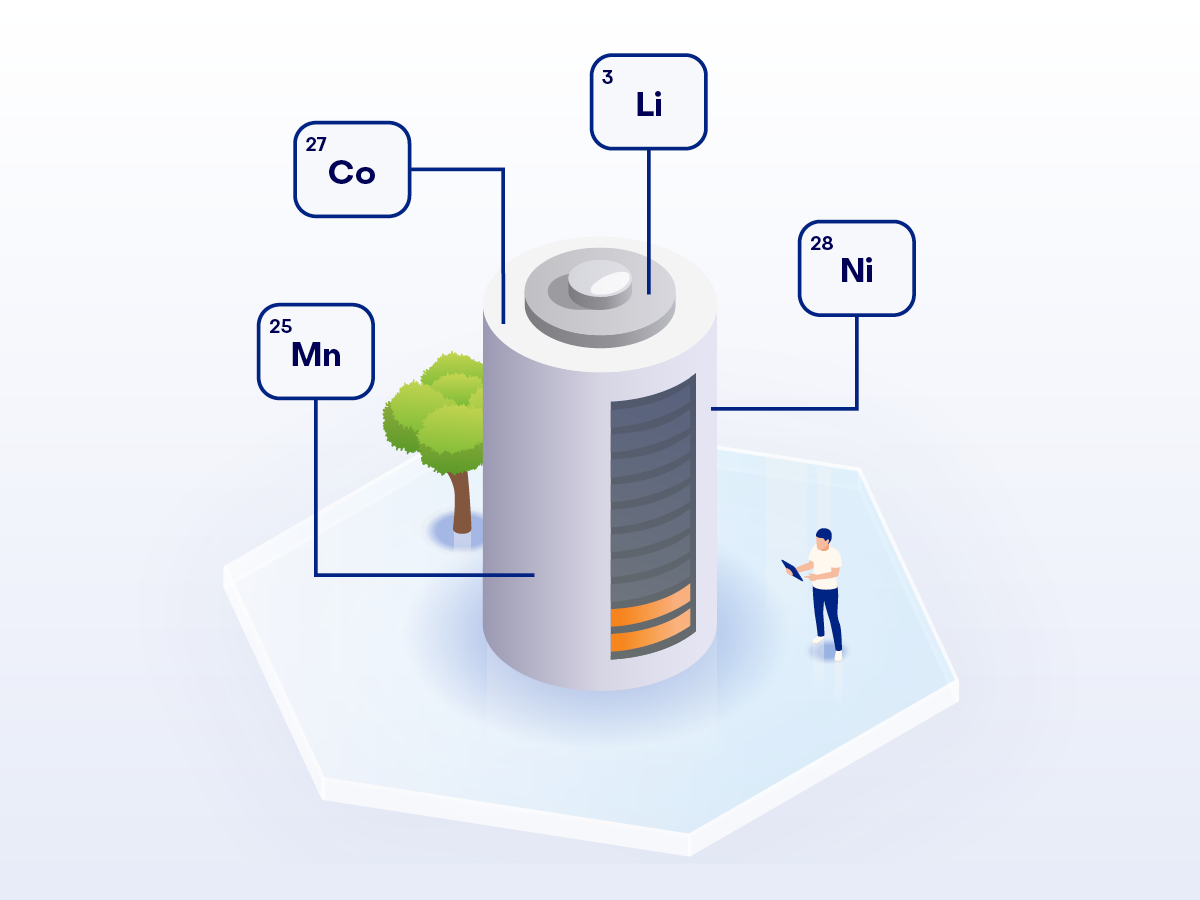
We do this by mapping material flows, developing recycling technologies and providing policy advice. In this way, we support industry and government in making strategic decisions regarding the recycling of batteries, printed circuit boards and solar panels.
TNO is a knowledge partner in the Cluster Energy Strategy (CES) Rotterdam–Moerdijk.
Through a four-pillar strategy, the cluster is working towards an industrial system based on circular value chains by the middle of this century. TNO supports this process with future scenarios and quantitative analyses of material flows and the energy transition.
These analyses have been used to prioritise the energy infrastructure projects required for the future.
The CES also addresses bottlenecks, opportunities and policy actions, while recognising the strategic role of Rotterdam–Moerdijk as an energy hub for North-West Europe, with a strong focus on security of supply.
Contact us
-
Gerard van der Laan
Functie:Programme Manager Sustainability & Circularity Transition PathwaysAs a Programme Manager, Gerard is responsible for the portfolio of the System Solutions & Environment division, focusing on a sustainable energy system and a circular economy. The knowledge, scenarios, tools and models developed within the programme enable policymakers and strategists to develop effective policies and future‑proof strategies.
-
Standplaats:Utrecht - Princetonlaan
-
Email:Email Gerard
-
Get inspired
Li-ion battery recycling in the Netherlands: Big ambitions, small volumes
Faster reinforcement of low-voltage grids requires improved collaboration

A fossil-free 2050 is technically achievable

Temporary Special Economic Zone around Rotterdam can prevent climate delays and GDP losses
Making sustainability strategies robust and resilient in an uncertain world