

Brain health
Brain health is determined by interactions between metabolism, vascular function, inflammation and ageing. Disturbances in these interconnected processes can contribute to changes in brain structure and function, which can be studied with TNO’s technologies and in vivo models. TNO’s proprietary Ldlr-/-.Leiden mouse model provides a translational platform to study brain health in the context of ageing and metabolic dysfunction. On a standard chow diet, the model develops key features of age-related brain impairment. A high-fat diet induces obesity, insulin resistance and chronic low-grade inflammation, accelerating changes in brain structure and function. Depending on the research question, studies can integrate behavioural and cognitive testing, quantitative brain histopathology, MRI, blood-brain barrier permeability, transcriptomics, proteomics, lipidomics, oxylipin profiling and spatial mass-spectrometry imaging. This integrated body-brain approach supports efficacy testing, mechanism-of-action studies and biomarker development for pharmaceutical and nutritional interventions.
Key capabilities
Study types
Tailor-made efficacy studies for targeted pathways and mechanisms
Models
Ldlr-/-.Leiden mice in an aging or obesity context
Output
Integrated structural, functional and molecular readouts across body and brain
A powerful approach to accelerate brain research
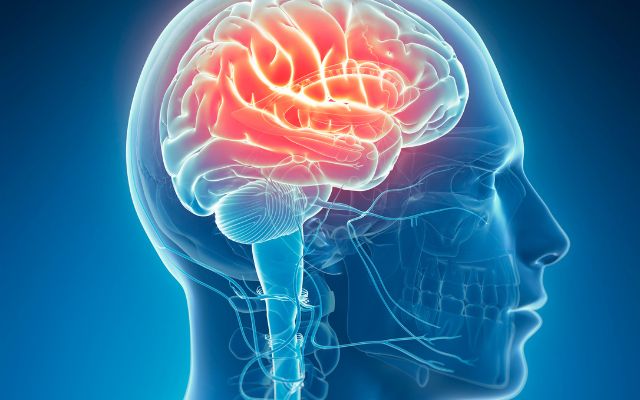
TNO combines a translational model of metabolic dysfunction with complementary brain readouts to evaluate whether and how an intervention affects brain health. The Ldlr-/-.Leiden model captures obesity-associated and ageing-related processes, including neuroinflammation, vascular and blood-brain barrier dysfunction, impaired white matter integrity, oxidative stress and altered brain energy metabolism. Study designs are tailored to the target, biological hypothesis and development stage. By connecting in-life outcomes with regional histopathology, advanced imaging and multi-omics, we generate robust datasets that support early go/no-go decisions and provide mechanistic context for observed treatment effects.
AI-powered histopathology
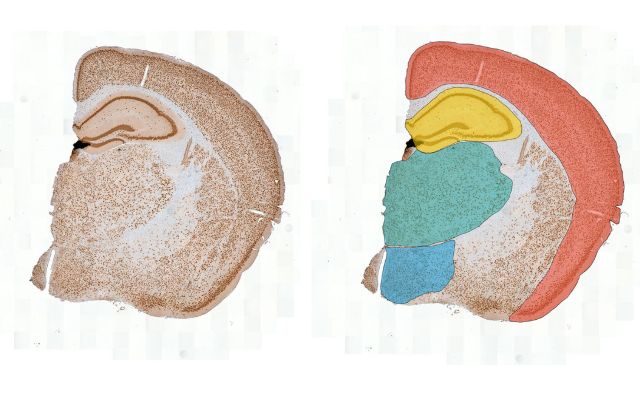
Our AI-supported histopathology platform enables standardised, fast, and high-throughput analysis of brain tissue cross-sections. Digitised sections are delineated into anatomical regions, allowing accurate quantification of neuronal and glial cell (astocytes, microglica) markers as well as morphological analyses such as cortical thickness. The platform can be applied to both TNO-generated and externally generated histology samples.
Use cases
Drug efficacy testing
Evaluate whether interventions prevent, slow or reverse ageing- or dysmetabolism-associated changes in brain structure, function and inflammation.
Mechanism of action studies
Investigate how compounds influence neuroinflammatory pathways, glial immunophenotypes, mitochondrial function/oxidative stress, blood-brain barrier integrity, white matter integrity and neuronal health.
Biomarker development
Support biomarker discovery and generate translational evidence linking preclinical findings to human brain biology.
Spatial drug distribution and response
Use MALDI mass-spectrometry imaging to map drug uptake and distribution and combine this with spatial response readouts (histology or lipidomics/metabolomics).
Choose the right preclinical research partner
- Translational model that connects metabolic dysfunction with ageing- and obesity-related brain pathology
- Expertise and technologies that allow assessment of brain structure, function, inflammation, vascular integrity and molecular mechanisms
- Ethical and responsible research execution
- Clear, actionable data to support informed development decisions
Ready to accelerate your brain research?
Get in touch to discuss your research question and explore how TNO can design and execute a tailored preclinical brain health study for your compound. In an initial discussion, we:
- will align on your target biology, development question and intended patient context
- propose a suitable age, diet condition, study design and intervention window
- select fit-for-purpose structural, functional and molecular endpoints
- provide a first study outline and indicative cost range
Contact us
-

Robert Ostendorf
Functie:Senior Business Development Manager translational pharmaceutical researchI am passionate about TNO’s unique expertise in translational (preclinical) research. My work focuses on efficacy, ADME/DMPK and target safety of new pharmaceutical interventions, with special interest in cardiovascular, metabolic and fibrotic diseases, and biomarker research.
Looking for contract research support, or see opportunities for collaboration? Please, reach out.
-
Standplaats:Leiden - Sylviusweg
-
Email:Email Robert
-
LinkedIn:Robert on LinkedIn
-
-

Martine Morrison
Functie:Scientist Metabolic HealthI combine preclinical and clinical research to study the interplay between metabolism and health with a focus on diet-induced inflammation. Contact me about: translational preclinical efficacy studies in the field of metabolic dysfunction and associated diseases (e.g. MASLD/MASH and liver fibrosis; cardiovascular disease); body-brain interactions; metabolic flux analysis.
-
Standplaats:Leiden - Sylviusweg
-
Email:Email Martine
-