


Sarcopenia and frailty
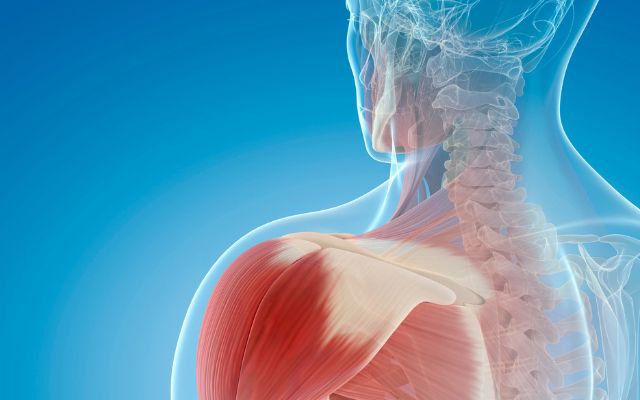
Sarcopenia and frailty are major age-related conditions associated with loss of muscle mass and reduced muscle function. The development of effective interventions is often hampered by the limited availability of translational preclinical models that accurately reflect underlying pathways of human sarcopenia. TNO supports pharmaceutical and academic partners with translational models and technologies for muscle research. Our mouse models combine caloric restriction with partial hindlimb immobilization, resulting in rapid and reproducible muscle atrophy and enabling in vivo efficacy and mechanistic screening of interventions. The model reproduces key functional and histological features of muscle atrophy and exhibits strong overlap with human muscle-aging pathways based on transcriptomic comparisons. Based on these assessments, our model enables comprehensive evaluation of interventions targeting sarcopenia and frailty.
Key capabilities
Study types
Tailor-made efficacy studies for targeted pathways and mechanisms
Models
Models of sarcopenia driven by aging, immobilization and/or caloric restriction, or obesity
Output
Body composition, muscle mass and function, histology (myofiber type and size), transcriptomics
A powerful approach to accelerate sarcopenia and frailty research
TNO supports pharmaceutical, biotech, nutrition, and academic partners in the development of interventions targeting sarcopenia and frailty. By combining translational in vivo models with functional assessments, histology, biomarker research, and omics technologies, we provide insights into muscle loss, underlying disease mechanisms, and treatment response. Our approach enables efficacy and mechanistic evaluation under physiologically relevant conditions and generates robust datasets that support translational research and early decision-making.
30+
years of preclinical research expertise
200+
completed efficacy studies across disease indications
100+
pharma & biotech partners
250+
peer-reviewed publications
Protein synthesis rate via deuterated water
We offer advanced in vivo assessment of skeletal muscle protein turnover in preclinical models of sarcopenia and frailty. Using deuterated water (D₂O) labelling, we can quantify cumulative muscle protein synthesis rates over extended periods under physiological conditions, providing a sensitive measure of treatment-induced changes in muscle anabolism. Combined with molecular analyses, this approach enables mechanistic insight into how interventions influence muscle remodelling and support the maintenance of muscle health.
Use cases
Drug efficacy testing
Evaluate the effects of interventions on muscle mass, function, and quality.
Mechanism of action studies
Investigate how compounds influence pathways involved in muscle atrophy, inflammation, and muscle regeneration.
Biomarker development
Support biomarker discovery and generate translational evidence linking preclinical findings to human muscle-aging biology.
Choose the right preclinical research partner
- Translational models with demonstrated relevance to human muscle biology
- Integrated assessment of muscle mass, function, histology, and molecular pathways
- Ethical and responsible research execution
- Clear, actionable data to support decision-making
Ready to accelerate your sarcopenia and frailty research?
Get in touch to discuss your research question and explore how TNO can design and execute a tailored preclinical study for your compound. In an initial discussion, we:
- align on your research objective
- propose suitable models and study designs
- provide a first outline and indicative cost range
Contact us
-

Simon Folkertsma
Functie:Business Developer Biomedical Health-
Standplaats:Leiden - Sylviusweg
-
Email:Email Simon
-
-

Anita van den Hoek
Functie:Scientist-
Standplaats:Leiden - Sylviusweg
-
Email:Email Anita
-