Thorizon and TNO Launch Materials Programme for Molten Salt Reactors
Thorizon and TNO have launched a materials and corrosion programme to generate the experimental data and predictive models required to qualify materials for molten salt reactors. Led by TNO, the programme will support the licensing of the PIONEER demonstrator in Petten and the subsequent deployment of Thorizon One. The partners aim to expand it into an international collaboration.
The programme will directly support the licensing of Thorizon’s PIONEER demonstrator in Petten and the commercial rollout of Thorizon One. Thorizon and TNO plan to collaborate with other organisations in the Dutch nuclear sector, including Delft University of Technology and NRG PALLAS. They also aim to involve international partners, such as the French Alternative Energies and Atomic Energy Commission (CEA) and the European Commission’s Joint Research Centre (JRC).
Why the next generation of nuclear matters
Europe needs clean electricity around the clock. Electrification, industrial growth and AI infrastructure are increasing demand on grids that are already under pressure. Wind and solar will supply a large share of Europe’s electricity, but reliable sources that operate day and night will also be needed. The Netherlands plans to develop 7 GW of nuclear capacity by 2050, including small modular reactors that can supply industrial sites and data centres directly.
Molten salt reactors are a promising new reactor technology, offering low-pressure operation, enhanced safety, efficient fuel use and the potential to reduce long-lived radioactive waste. Turning that potential into operating reactors, however, requires robust evidence of how materials behave in molten salt at high temperatures over time. This evidence is needed to support licensing, determine reactor lifetimes and enable commercial deployment.

'As a highly energy-dense, low-carbon source, nuclear energy has the potential to play an important role in a reliable energy system. New reactor technologies offer opportunities to further improve safety, sustainability and performance, while expanding the range of possible applications. These innovations can only move from concept to deployment on the basis of strong scientific evidence.'
Solving the materials challenge by design
A central challenge for molten salt reactors is ensuring that structural materials can withstand hot, corrosive salt and radiation for many years. Thorizon addresses this challenge through its cartridge design. The fuel salt is contained in sealed cartridges that are replaced after five to ten years, limiting the exposure of key components to the salt and enabling their inspection and replacement during scheduled cartridge changes.
The design provides a practical way to manage material degradation, but it must be supported by evidence. Regulators and operators need to know how materials behave under the temperatures, chemical conditions and radiation found inside the reactor. This programme will generate the data and models needed to confirm design choices, determine cartridge lifetime and monitor materials during operation.

'Our cartridge design makes material degradation a manageable engineering challenge. This programme will provide the independent evidence needed to validate that design and give regulators and operators confidence in material performance and cartridge lifetime. TNO is the right partner to build that qualification basis with us.'
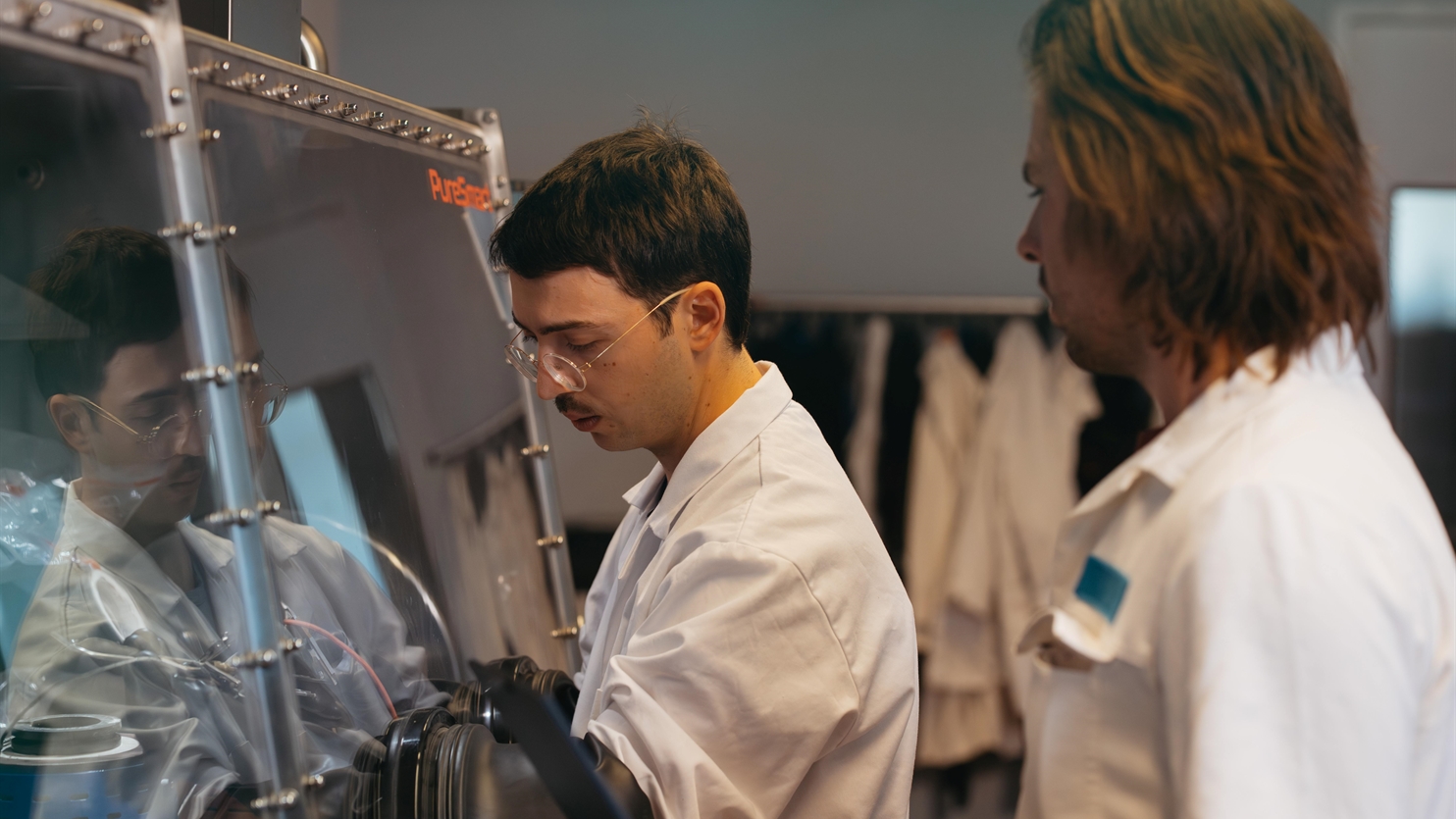
From laboratory to industrial qualification
TNO has extensive experience in materials research, testing and modelling. Its work includes material characterisation, corrosion testing, failure analysis, coatings and lifetime prediction. TNO investigates whether the chosen materials are suitable for use in reactors.
The partners have begun defining the research and testing plan. This will be followed by an extensive programme of materials characterisation, corrosion testing, modelling and validation. Initial work is under way at Thorizon’s facilities in Amsterdam and TNO’s laboratories in Petten, directly supporting Thorizon’s reactor design, material selection and licensing process.
A Dutch programme with international reach
Thorizon and TNO plan to work with other organisations in the Dutch nuclear sector, including Delft University of Technology and NRG PALLAS. They also aim to involve international partners, such as the French Alternative Energies and Atomic Energy Commission (CEA) and the European Commission’s Joint Research Centre (JRC). These organisations could contribute expertise in materials, molten salt chemistry, irradiation, modelling, reactor engineering and licensing.
The programme comes as the Dutch government increases its support for nuclear energy, including funding for advanced reactors through the nuclear IPCEI. It will connect Dutch research institutes, universities and industry with European partners, building the knowledge and testing capacity needed to bring advanced reactors to market.
Contact us
-

Wouter van Strien
Functie:Senior Business Developer-
Standplaats:Petten - Westerduinweg
-
Email:Email Wouter
-
LinkedIn:Wouter on LinkedIn
-
Get inspired
A sustainable, integrated and resilient energy system in the North Sea
Biodiversity
Action Agenda for digital solutions in the energy system
Energy infrastructure and transport

Tomorrow’s hydrogen production and infrastructure: building towards a secure and robust energy system