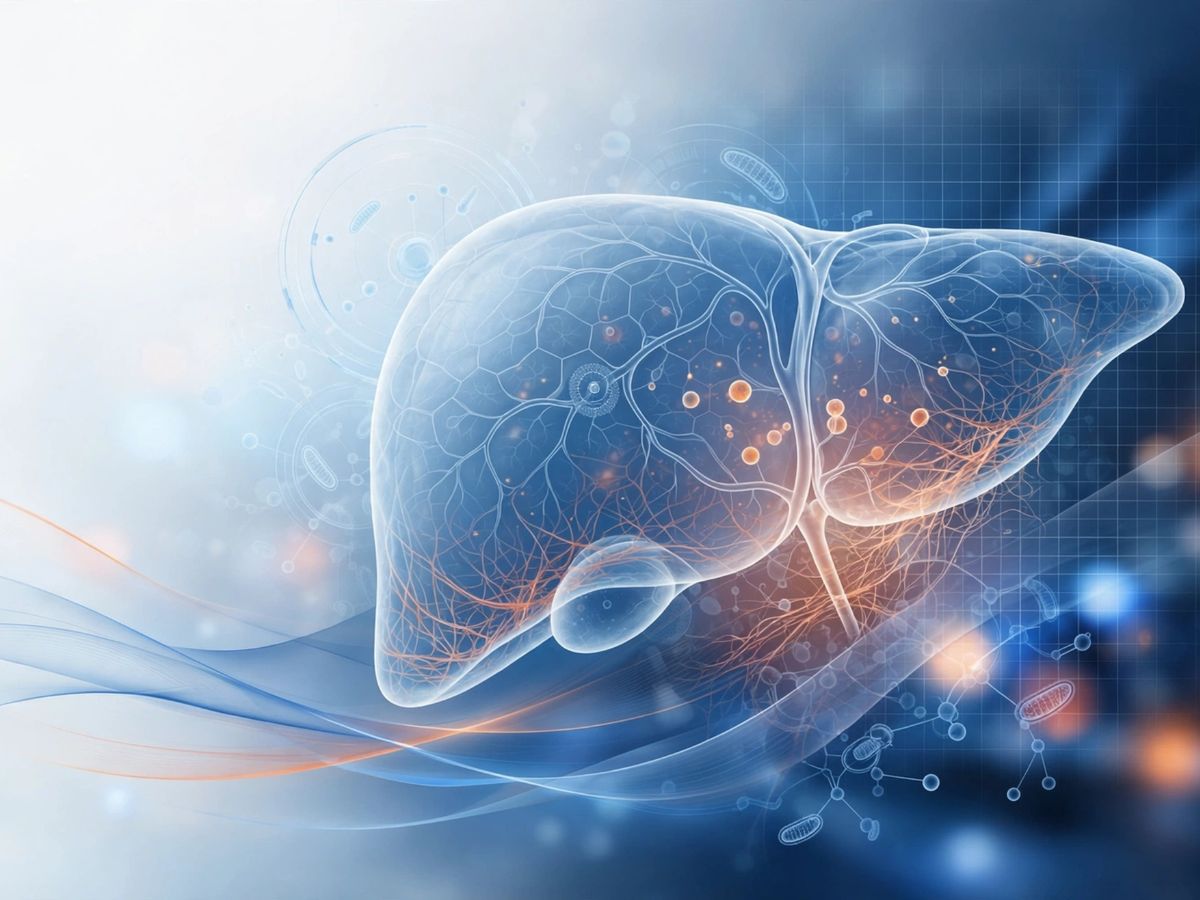
HistoSuite: AI-powered histopathology
Histopathological endpoints are among the most powerful efficacy readouts in preclinical research. HistoSuite is TNO's AI-powered histopathology platform, purpose-built for preclinical efficacy assessment. It delivers fully automated quantification at pixel-level precision across a broad range of organ systems.
The cost of variability in histopathological assessment
Histopathology remains the gold standard for tissue-level efficacy readouts in preclinical research. Across indication areas including cardiovascular disease, liver fibrosis, renal dysfunction and neurodegeneration, the tissue tells the story on disease state and effect of treatments.
Manual histopathological scoring depends on individual pathologist judgement, applied to one cross-section at a time. Interobserver variability between trained pathologists reviewing the same slides is well documented, with agreement coefficients for semiquantitative scoring frequently falling below 0.7. At a study level, this variability translates directly into reduced statistical power: real treatment effects become harder to detect, sample sizes must increase to compensate, and equivocal results delay go or no-go decisions.
The operational consequences further amplify the scientific ones. Conventional histopathology review cycles of four to six weeks and delay the generation of data required to guide subsequent program decisions. In a competitive drug development environment, that gap is a structural risk.
When multiple rounds of reviews are needed to resolve ambiguous findings, months can pass before a team has the confidence to commit to a dose, a target, or a clinical candidate. The problem is not the pathologists. It is the process: subjective, sequential, and difficult to scale without sacrificing consistency.
What is HistoSuite?
HistoSuite is TNO's purpose-built AI platform for automated analysis of whole slide images in preclinical efficacy studies. It performs pixel level segmentation of histological features, generating quantitative readouts that are reproducible across cross-sections, studies and time points, without the interobserver variation inherent in manual scoring.
The platform is not a general-purpose digital pathology tool adapted to preclinical use. It has been developed and validated specifically within TNO's own model portfolio. That specificity is what makes the output actionable: HistoSuite classifies the histological features relevant to the study questions.
HistoSuite operates on digitised whole slide images and returns structured, quantitative data: lesion area as a proportion of total tissue area, plaque composition by subregion, collagen deposition scores, inflammatory cell infiltrates, and other endpoint-specific readouts.. These outputs feed directly into study reporting and statistical analysis, which can be reviewed and implemented.
How does HistoSuite work?
Following tissue collection and standard histological preparation, tissue cross-sections are digitised at high resolution. Whole slide imaging captures the complete tissue section at the magnification required for the analysis, producing image files that are stored, traceable and available for re-analysis without the degradation associated with physical slide storage. For studies that are performed elsewhere, the whole slide images are being transferred to our secured server.
HistoSuite applies trained deep learning models to each whole slide image. The models identify and delineate tissue compartments and lesion regions at pixel level, distinguishing between tissue types and pathological features with a precision that manual review cannot match at equivalent throughput.
The platform covers multiple organ systems including cardiovascular, liver, renal and CNS models, with model variants specific to the staining protocols and lesion morphologies relevant to each.
Analysis results are returned as structured quantitative data rather than categorical grades. Where manual scoring produces results such as a MASH activity score or an atherosclerosis grade, HistoSuite can expand these data as it produces also continuous measurements: plaque area in square micrometres, collagen fraction as a percentage of tissue area, or inflammatory cell density per region of interest. These outputs support parametric statistical analysis and provide greater sensitivity to detect treatment effects, particularly where effect sizes are moderate.
Performance in practice: atherosclerosis studies
In TNO's atherosclerosis models, HistoSuite has reduced histopathology turnaround from four to six weeks to one to two weeks. Treatment effects that previously required multiple manual reading cycles to confirm with confidence are now resolved in a single automated pass. This represents not only a time saving but a reduction in the ambiguity that arises when successive review rounds produce slightly different categorical results.
Applications across indication areas
Quantification of aortic root lesion area, plaque composition (lipid core, fibrous cap, macrophage infiltration, smooth muscle cell content) and lesion progression over time are among the most demanding histopathological tasks in preclinical cardiovascular research.
Manual segmentation of HPS-stained whole slide images is time-consuming and operator-dependent. HistoSuite automates the full segmentation pipeline, from region of interest identification to plaque boundary delineation and compositional classification, delivering reproducible quantitative outputs in a fraction of the time.
In preclinical MASLD and MASH studies, histological scoring covers steatosis, ballooning, inflammation and fibrosis. HistoSuite quantifies collagen deposition using Sirius Red-stained sections, providing continuous measurements of fibrosis area rather than the ordinal F0 to F4 staging that pathologists apply.
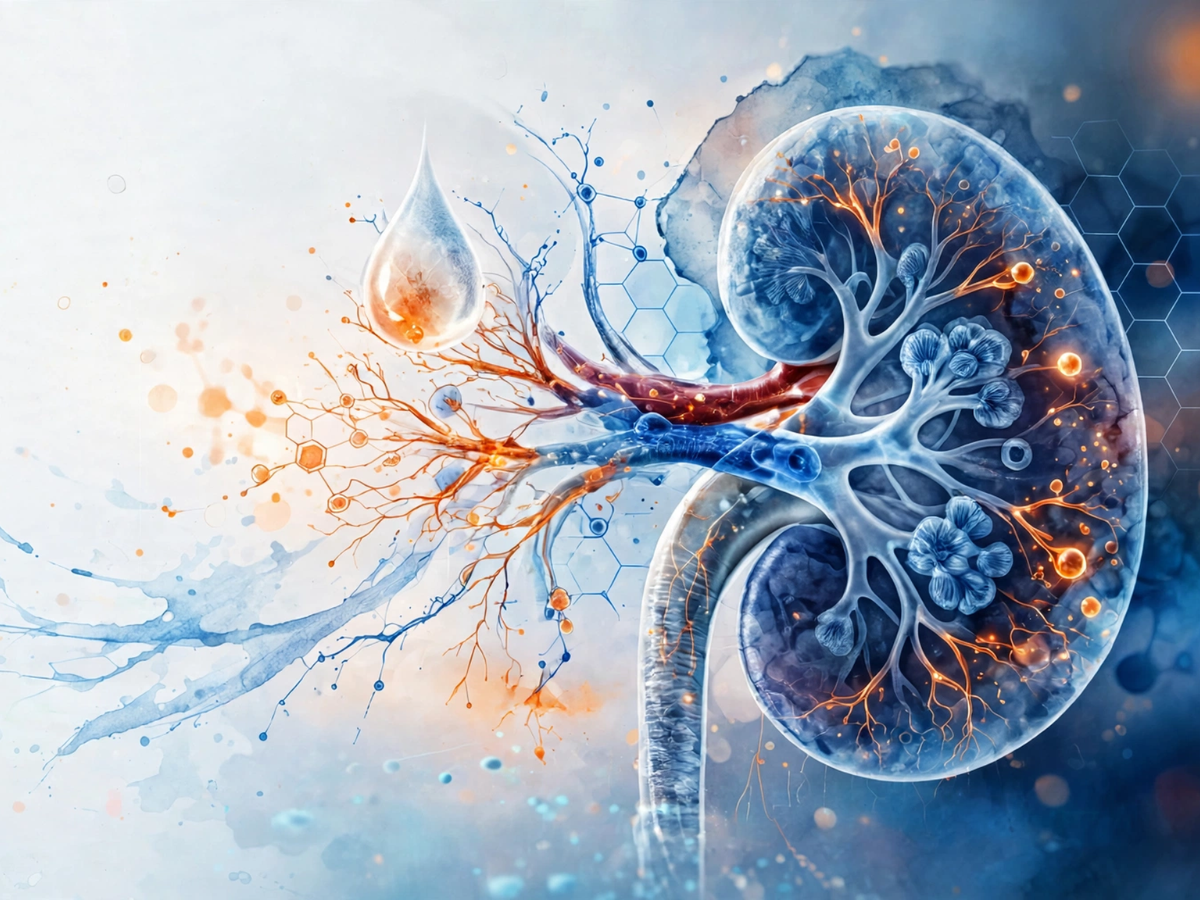
TNO's diabetic/chronic kidney disease model develops glomerulosclerosis, tubulo-interstitial fibrosis and albuminuria in the context of obesity, dyslipidaemia and hypertension. Our kidney models analyzes all relevant kidney structures and provides quantifiable morphological features.
In CNS efficacy models, relevant histological endpoints include neuroinflammation markers, demyelination and cellular loss in defined anatomical structures. HistoSuite applies region-aware segmentation that accounts for the spatial heterogeneity of CNS tissue, enabling quantification within anatomically defined areas rather than across the slide as a whole.
TNO's role: flexible workflow tailored to the needs
We are the only provider that designs the study, runs the animal model, processes the tissues and performs AI-assisted analysis within a single integrated workflow. That integration removes the quality risks that arise when tissue generated in one organisation is transferred for analysis at another: differences in tissue handling protocols, staining procedures, slide preparation and analysis pipelines introduce variability that no amount of analytical precision can fully correct for.
Because HistoSuite has been trained and validated on tissue from TNO's own preclinical model portfolio, the models reflect the specific staining characteristics, tissue preparation methods and histological phenotypes that arise in our studies. This is a material advantage over generic digital pathology platforms applied post-hoc to tissue generated elsewhere.
The AI algorithms can also be offered as a standalone service. Customers can send their whole slide images, and we produce a data-rich analysis of the slides. You will receive per slide quantifications and a consolidated report of the findings.
HistoSuite operates across the full range of TNO's preclinical efficacy models. This includes the TNO Ldlr-/-.Leiden mouse for obesity, MASLD, MASH and liver fibrosis; the APOE*3-Leiden and APOE*3-Leiden.huCETP models for cardiovascular and lipid indications; the diet-induced diabetic/chronic kidney disease model ; and fibrosis models across skin, lung, liver and kidney.
HistoSuite outputs are integrated with the broader dataset generated in TNO efficacy studies, including gene expression, plasma biomarker panels, metabolic readouts and, where relevant, metabolic flux data from our AMS microtracer platform. The result is a multidimensional dataset in which tissue-level findings are interpreted alongside circulating and mechanistic readouts, providing a more complete picture of compound activity than any single modality alone.
Platform integration: spatial mass spectrometry alongside AMS and HistoSuite
The three analytical platforms described across this series, AMS-based metabolic flux analysis, HistoSuite AI histopathology, and spatial mass spectrometry, are designed to be applied within the same preclinical study on the same tissue material.
From a single efficacy study with tissue collection: spatial drug distribution maps (this platform), quantitative histopathological lesion readouts (HistoSuite), and metabolic pathway flux data (AMS microtracer). Together, these constitute the mechanistic evidence layer that bridges biomarker readouts and clinical proof of concept.
Reproducibility: why it matters for your pipeline
Inconsistent histopathological results between studies, sites or time points are one of the most common sources of uncertainty in preclinical decision-making. A compound that shows a significant effect on fibrosis in one study and an ambiguous result in a repeat is difficult to advance with confidence.
HistoSuite eliminates the interobserver component of that variability. The same analysis model is applied identically to every tissue cross-section, every study, every time. Repeat studies produce directly comparable quantitative outputs, making progression or stopping decisions substantially more justified.
Work with us
We welcome the opportunity to discuss how HistoSuite can support your next preclinical efficacy study. Whether you are planning a new program in an area where our validated models apply, or looking for a more reliable histopathological readout, our team can outline the specific analysis package most relevant to your endpoints and timelines.
Contact us
-

Robert Ostendorf
Functie:Senior Business Development Manager translational pharmaceutical researchI am passionate about TNO’s unique expertise in translational (preclinical) research. My work focuses on efficacy, ADME/DMPK and target safety of new pharmaceutical interventions, with special interest in cardiovascular, metabolic and fibrotic diseases, and biomarker research.
Looking for contract research support, or see opportunities for collaboration? Please, reach out.
-
Standplaats:Leiden - Sylviusweg
-
Email:Email Robert
-
LinkedIn:Robert on LinkedIn
-
Get inspired
Sex hormones determine the risk of liver damage in children with overweight
14C-Pulse-Chase Technology

Obesity
Diabetic kidney disease
MASH and liver fibrosis