14C-Pulse-Chase Technology: translational and mechanistic evidence for drug efficacy
Standard metabolomics tells you what is present. Pulse-chase analysis tells you what is actually happening. By combining ¹⁴C microtracers with Accelerator Mass Spectrometry, we quantify real-time biochemical pathway activity in vivo, generating the mechanistic proof-of-concept data that plasma biomarkers and static metabolite snapshots cannot deliver.
Why static metabolomics is not enough
The development of drug candidates targeting biochemical pathways runs into one fundamental problem: the gap between what a biomarker suggests and what the drug actually does in human metabolism. Plasma values for lipids, glucose or liver show how much is present at a given moment, not how fast metabolic processes are running, which pathways are active, or where an intervention genuinely takes effect.
This distinction is not academic; drug candidates with promising static biomarker profiles regularly fail later because the mechanistic foundation was absent. At the same time, IND packages are weakened by a lack of data on how a compound behaves in a human-relevant system at the point when course correction is still affordable: before Phase I.
Pulse-chase analysis addresses this directly. Rather than measuring what is present, we quantify the activity of specific pathways in a living system, in real time, by determining the turnover rate of a pathway probe.
What is AMS-based 14C-Pulse-Chase Technology?
Pulse-Chase Technology quantifies the rate at which metabolites flow through enzymatic networks in vivo. Where standard metabolomics provide a static picture, PCT delivers dynamic insight: which pathways are active, at what rate, and how do pharmacological interventions influence those pathways.
We use specifically ¹⁴C-labelled Pulse-Chase Technology (14C-PCT) in combination with Accelerator Mass Spectrometry, a detection technique capable of quantifying ¹⁴C-labelled compounds at attomole levels in biological samples. This enables us to administer doses of ¹⁴C-labelled probes at non-perturbing levels, so called microtracer levels, whilst still generating reliable, quantitative data on pathway activity, tissue distribution rate and metabolic processing.
The result is direct, quantitative data on how a drug candidate influences the rate at which the probe is converted through its metabolic pathways in vivo in animal models, in man or for translational read-outs, in both.
How does it work?
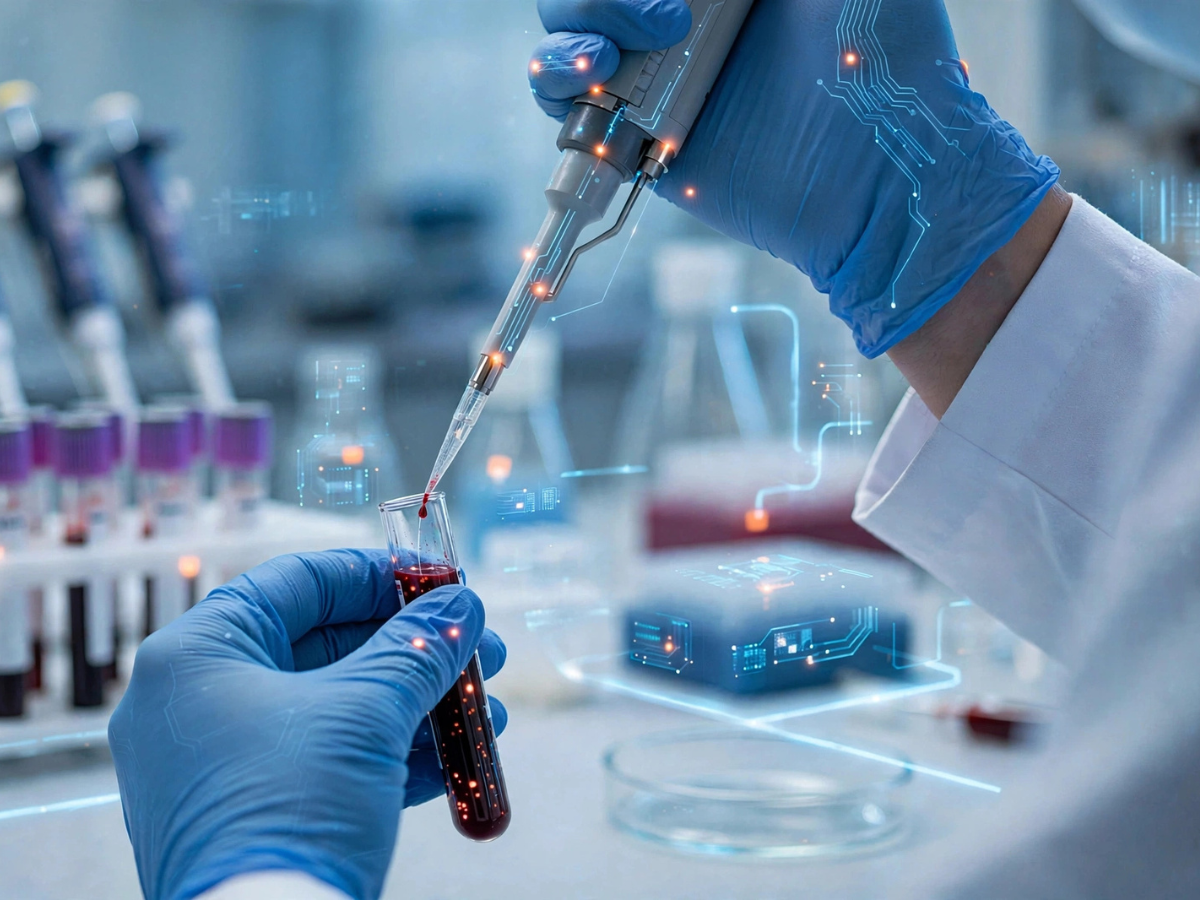
Initially, the drug is dosed to animals or clinical trial participants. After reaching sufficient exposure at the target site, the ¹⁴C-labelled substrate is administered, the "¹⁴C-Pulse". Subsequently, biological samples like plasma, tissues or urine, are collected at pre-defined time points.
These samples are analysed using classical separation techniques like liquid chromatography followed by detection using Accelerator Mass Spectrometry, an atom-counting technique that directly quantifies ¹⁴C isotopes with a sensitivity that far exceeds conventional scintillation counting and LC-MS/MS. This makes precise measurement possible even at the microtracer concentrations. Typically, the concentrations of both the ¹⁴C-substrate and the ¹⁴C-metabolite are “Chased” using this LC-AMS approach showing the turnover rate of the ¹⁴C-substrate into the ¹⁴C-metabolite(s).
Quantitative analytical data on ¹⁴C-substrate and ¹⁴C-metabolite concentrations can then be converted to the turnover rate [RO9.1]through the studied metabolic pathway, like for example gluconeogenesis, fatty acid oxidation, the TCA cycle, de novo lipogenesis, and other routes relevant to the therapeutic field.
Especially the use of ¹⁴C-PCT to confirm target engagement at early stages, either directly or indirectly using downstream effects, can add value to your drug development programme.
Confirmation of target engagement is of paramount importance to show the potential value of your drug candidate. ¹⁴C-PCT helps you to show that your drug interacts with the target. Moreover, ¹⁴C-PCT enables you to confirm that target engagement of your drug candidate effects can be translated from in (vivo) preclinical to clinical studies. ¹⁴C-PCT offers the clear advantage that the pulse chase approach can be translated, if animal species can be used with similar pathways, especially if endpoints are difficult to determine in preclinical studies.
In addition, when combining pulse chase with our TNO validated mouse models, PCT data can be interpreted alongside the histological, biochemical and pharmacological dataset from our validated models. This connects mechanistic findings directly to the clinically relevant phenotypes needed for IND-enabling decisions.
Key advantages at a glance
¹⁴C -Pulse Chase Technology enables confirmation of target engagement, using non-perturbing levels of ¹⁴C labelled pathway probes, AMS sensitivity enables attomole-level detection in standard biological samples. The technology allows translation and dynamic biomarker development, irrespective of the therapeutic area.
In addition, the seamless integration with TNO's validated preclinical models of metabolic dysfunction can enrich your understanding of underlying biochemical pathways and mechanisms of action.
Example applications: where ¹⁴C -Pulse-Chase Technology makes the difference
MASLD and MASH
In programs targeting metabolic liver disease, pathways through the TCA cycle, gluconeogenesis and de novo lipogenesis underpin the mechanistic story behind a compound. Static liver enzyme values or histological scores do not reveal how fast these processes are running. Turnover rates do. Early turnover rate measurement supports optimal dose range finding before costly clinical studies begin.
Insulin resistance and obesity
Insulin resistance is primarily a turnover rate problem: reduced glucose uptake in peripheral tissues, elevated hepatic glucose production, and disrupted lipid routing. These dynamic disturbances are not visible in static plasma profiles. AMS-based ¹⁴C-PCT quantifies turnover rates directly in vivo, enabling targeted intervention and mechanism-of-action validation.
Cardiometabolic disease
In cardiovascular indications combined with metabolic dysregulation, turnover rates provide insight into the interplay between hepatic metabolism, lipid routing and systemic energy balance. This is the data needed for target selection and early dose optimisation in programs where the therapeutic window is narrow and the mechanistic rationale must be robust.
IND-enabling and Phase I preparation
¹⁴C-PCT studies allow confirmation of target engagement and optimal dose range finding. That is the translational bridge to Phase I: built before the costs of being wrong become prohibitive.
TNO's role: an integrated translational environment
We are among a very small number of organisations globally to operate AMS within a fully integrated translational research environment. That distinction is functional, not symbolic: it enables seamless progression from mechanistic discovery and preclinical validation to first-in-human readiness, without the loss of context and data quality that occurs when these steps are divided between separate organisations. Our preclinical models where ¹⁴C -PCT already provided valuable data:
Our clinically validated model for MASLD, MASH and liver fibrosis develops disease in the context of obesity, insulin resistance and atherogenic dyslipidaemia, using energy-dense diets without added cholesterol. The model has been validated with multiple clinically relevant pharmacological interventions, making it one of the most translationally robust preclinical tools available for this indication area. Turnover rates acquired in this model directly inform dose selection and mechanism-of-action interpretation before first-in-human studies.
For cardiovascular and lipid-focused programs, our APOE*3-Leiden (E3L) and APOE*3-Leiden.huCETP (E3L.CETP) transgenic mouse models are validated for studying lipid metabolism, lipoprotein kinetics and atherosclerosis. These models allow cardiometabolic programs to be supported [IJ13.1]across multiple organ systems within the same integrated environment.
Platform integration: spatial mass spectrometry alongside AMS and HistoSuite
The three analytical platforms described across this series, AMS-based metabolic flux analysis, HistoSuite AI histopathology, and spatial mass spectrometry, are designed to be applied within the same preclinical study on the same tissue material. From a single efficacy study with tissue collection: spatial drug distribution maps (this platform), quantitative histopathological lesion readouts (HistoSuite), and metabolic pathway flux data (AMS microtracer). Together, these constitute the mechanistic evidence layer that sits between biomarker readouts and clinical proof of concept.
Work with us
We are keen to explore how flux data can strengthen the mechanistic story behind your programme. Whether you are in early target identification, preparing IND-enabling studies, or looking to reinforce the translational foundation of an existing clinical programme, our team will help you identify where flux analysis makes the most difference.
Contact us
-

Wouter Vaes
Functie:Microdosing and microtracer studies-
Standplaats:Leiden - Sylviusweg
-
Email:Email Wouter
-
Get inspired
Sex hormones determine the risk of liver damage in children with overweight
Obesity
Diabetic kidney disease
MASH and liver fibrosis
HistoSuite: AI-powered histopathology