How Arriva and TNO are shaping the next phase of electric bus transport
Electric buses have become an integral part of public transport. Ten years ago, operators were primarily focused on transitioning to electric mobility. Today, a new challenge has emerged: how do you keep batteries healthy, safe and reliable over the long term? To gain better control over this, Arriva and TNO are collaborating on battery diagnostics and monitoring.
Question for TNO
Is Arriva charging its batteries in the most effective and intelligent way?
20%
20 per cent of the available capacity was not being use; not because the battery had reached the end of its life, but because it had become unbalanced.
Batteries are the most expensive component of an electric bus and play a crucial role in determining vehicle performance, availability and residual value. For operators such as Arriva, questions around battery lifespan are becoming increasingly important.
Understanding how a battery behaves
When Arriva introduced electric buses in 2016, the focus was mainly on day-to-day operations. 'It may sound rather simple,' says Pieter de Munck, Innovation & Development Manager at Arriva. 'In the early days, the most important thing was ensuring the bus was fully charged and that services ran according to schedule.'
As the sector has matured, attention has shifted to the next step: understanding how batteries behave throughout their lifetime and how they can be charged more intelligently. TNO plays an important role in this process.
Gaining insight into battery health
Batteries are constantly changing. Factors such as usage intensity, temperature and age all affect performance. Two vehicles that appear identical on the surface can develop very differently behind the scenes. While one battery may retain its capacity for years, another may degrade more rapidly.
To understand these differences, insight into battery health is essential. This is where battery diagnostics comes into play.
Turning data into actionable insights
New analytical methods are required to assess battery health effectively. This formed the basis of the collaboration between Arriva and TNO within the Vitalise Consortium, where researchers explored how battery condition can be monitored and predicted more accurately.
The original question was straightforward: is Arriva charging its batteries in the most effective and intelligent way? The research delivered far more than expected.
'What surprised me was how practical the outcomes were,' says De Munck. 'I initially expected mainly theoretical results, but TNO ultimately provided a very clear story with insights we could immediately put into practice.'
'The added value of TNO lies in its scientific approach: how do you interpret data correctly, and what exactly does it tell you?'
TNO as the scientific interpreter of data
In the current partnership, TNO supports Arriva in interpreting battery data and translating insights into concrete actions. Arriva's team analyses data from vehicles and charging processes on a daily basis.
When new patterns emerge or questions arise, TNO's expertise is used to scientifically interpret the findings. "We have extensive knowledge of our day-to-day operations," explains De Munck. "The real added value of TNO lies in its scientific approach: how do you interpret data correctly, and what exactly does it tell you? TNO's reports are practical, clear and accessible to everyone."
20% capacity loss without noticing it
One of the most important findings from the research was that part of the available battery capacity can become inaccessible due to imbalances between battery cells. As a result, the full battery is no longer utilised, even though the battery itself may not be defective.
"We learned that batteries can lose a significant amount of usable capacity due to cell imbalance," says De Munck. "This is partly influenced by the way batteries are charged."
In some cases, around 20 per cent of the available capacity was not being used—not because the battery had reached the end of its life, but because it had become unbalanced.
Identifying problems before they occur
Today, Arriva can recognise irregularities in battery performance much earlier. Whereas action was previously only taken when a vehicle experienced a noticeable issue, battery data now provides early warning signals.
Battery monitoring has therefore evolved from a reactive to a proactive approach.
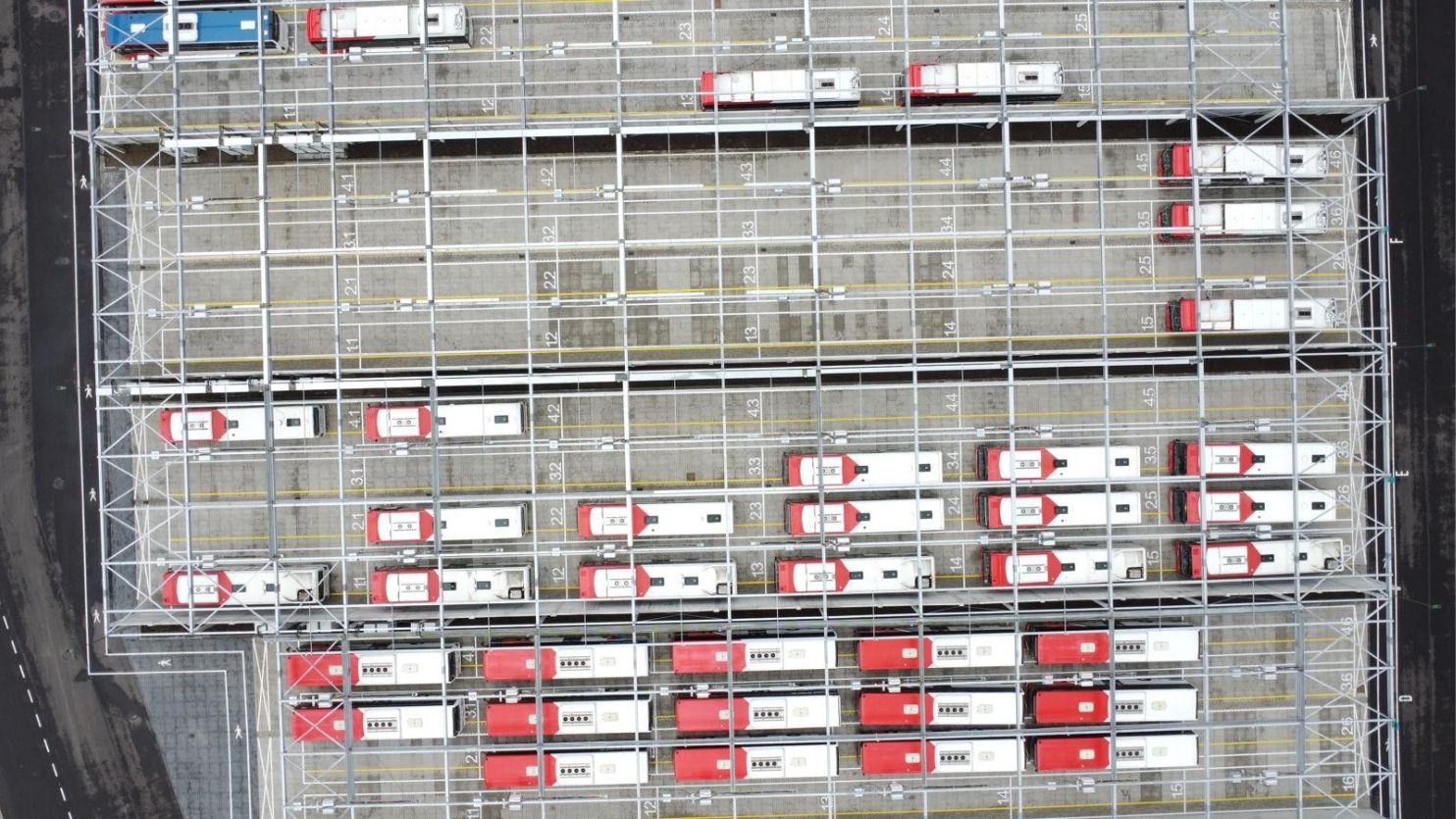
"In a fleet of 80 buses, you can now identify when a single vehicle starts behaving differently from the rest," says De Munck. "This allows you to intervene before a real problem develops."
'By the end of 2026, around 90 per cent of its fleet is expected to be electric. The battery is becoming a permanent aspect of professional fleet management. Ultimately, battery maintenance should be just as routine as maintaining brakes or tyres.'
Next stop: battery maintenance
According to Arriva, one of the most valuable lessons of recent years is the importance of early detection. In the traditional bus industry, maintenance has always been a given. Brakes, tyres and engines all have dedicated maintenance schedules.
Until recently, batteries were treated differently.'We were used to repairing batteries when something went wrong,' says De Munck. 'The idea of actively maintaining batteries wasn't yet part of our mindset. That is beginning to change.'
A longer battery lifespan delivers immediate financial benefits, given the high cost of battery packs.
Increasingly, evidence shows that batteries benefit from active management, ranging from optimised charging strategies to preventive inspections. For operators, this is not only technically valuable but also financially attractive.
Learning together for the next generation of vehicles
The insights generated through TNO's work are also influencing how Arriva evaluates new vehicles. When purchasing new electric buses, the company now places greater emphasis on the availability of battery data and the ability to monitor battery health throughout the vehicle's lifetime.
Arriva no longer sees battery monitoring as a temporary project. By the end of 2026, around 90 per cent of its fleet is expected to be electric.
De Munck concludes: 'The battery is becoming a permanent aspect of professional fleet management. Ultimately, battery maintenance should be just as routine as maintaining brakes or tyres.'
Curious to learn more?
Would you like to learn more about battery diagnostics, battery monitoring or extending the lifespan of electric vehicles? Get in touch with TNO and discover how data-driven insights can contribute to a more sustainable mobility sector.
Contact us
-

Jan-Willem Sangers
Functie:Business Development ManagerIn my role as a business developer Sustainable Vehicles, I work on establishing and facilitating collaborations in the field of sustainable mobility. These collaborations range from small-scale industrial research to large-scale international public-private partnerships in areas such as heavy-duty transport, shipping, non/off road mobile machinery, and even aviation applications.
-
Standplaats:Helmond - Automotive Campus
-
Email:Email Jan-Willem
-
LinkedIn:Jan-Willem on LinkedIn
-
Get inspired
Forces combined: how TNO supports LionVolt to accelerate next-generation battery technology

From lab to ice sheet: how TNO accelerates battery innovation with Team Polar
Reliable monitoring of battery condition for transparent battery passports
How far can you travel in an electric car?
Battery technology: 4 developments according to the Battery Lab