How the Stress Database Netherlands supports optimal use of the subsurface
Data on stress and pressure in the subsurface are essential for its safe and sustainable use. These data are important for optimising the drilling of new wells, assessing geomechanical risks and ensuring that decommissioned wells are left in a safe condition. They are therefore valuable for oil and gas production as well as geothermal energy, CO2 storage, salt extraction and energy storage. However, stress data are often distributed across different organisations, are not yet publicly available and are not always easy to interpret. The Stress Database Netherlands brings together, checks and makes these data accessible, enabling operators and regulators to better assess risks.
Fragmented data, disappearing knowledge
Anyone drilling, injecting or storing materials in the subsurface needs to know the levels of stress and pressure acting on the rock. These data help determine whether faults may become reactivated, whether sealing layers will remain intact and whether a well will remain safe.
Over the years, a wealth of stress and pressure data has been collected during drilling operations. However, these data are currently distributed across different organisations. They have not always been recorded in the same way, are not always easy to interpret and can often be difficult to access. At the same time, valuable knowledge is disappearing. As oil and gas operators cease their activities, the people who know the data also leave. This creates a risk that the knowledge behind the measurements will be lost, even though that expertise is essential to interpret the data correctly. We therefore need to safeguard these valuable data and the associated expertise now. Otherwise, uncertainty about seismic hazards, leakage and well integrity will remain greater than necessary.
A single national resource for stress data
The Stress Database Netherlands brings together stress and pressure data from the Dutch subsurface in one place. We compare datasets, retrieve the underlying raw data, assess their quality, interpret the measurements and manage them for the long term. We also incorporate data that have not previously been made accessible and bring together expertise from operators and knowledge institutions.
The Geological Survey of the Netherlands at TNO (TNO-GDN) combines data management with geomechanical expertise. This means that we not only collect measurements, preserve them and make them publicly available, but also assess their quality and significance. We use the data for further interpretation and to develop broader insights into the behaviour of the subsurface. It is precisely this combination of data and research that helps users apply the information more effectively in their analyses of the subsurface.
There are several types of measurements that provide information about stress and fluid pressure in the subsurface. During drilling, for example, so-called strength or leak-off tests are routinely carried out, fluid pressure is measured and the density of the rock along the borehole is often recorded. In addition, high-quality indications of stress are obtained from mini-frac tests carried out prior to hydraulic fracturing. These different datasets are incorporated, interpreted and stored one by one and, where necessary, expanded further over the course of the project.

'Less stress during a drilling project? The TNO-GDN Stress Database Netherlands makes subsurface stress data easy to find and use.'
In 2026, work began on incorporating the strength and leak-off tests and density measurements.
The first results have been published via the Dataverse page of the Geological Survey of the Netherlands. These comprise more than 1,000 strength tests from across the Netherlands, a quality-controlled set of 5,500 density measurements and a software tool to support the quality control of density measurements. During the project, we will add other types of data. In 2027, for example, valuable mini-frac data are scheduled to be incorporated.
A geomechanical knowledge platform
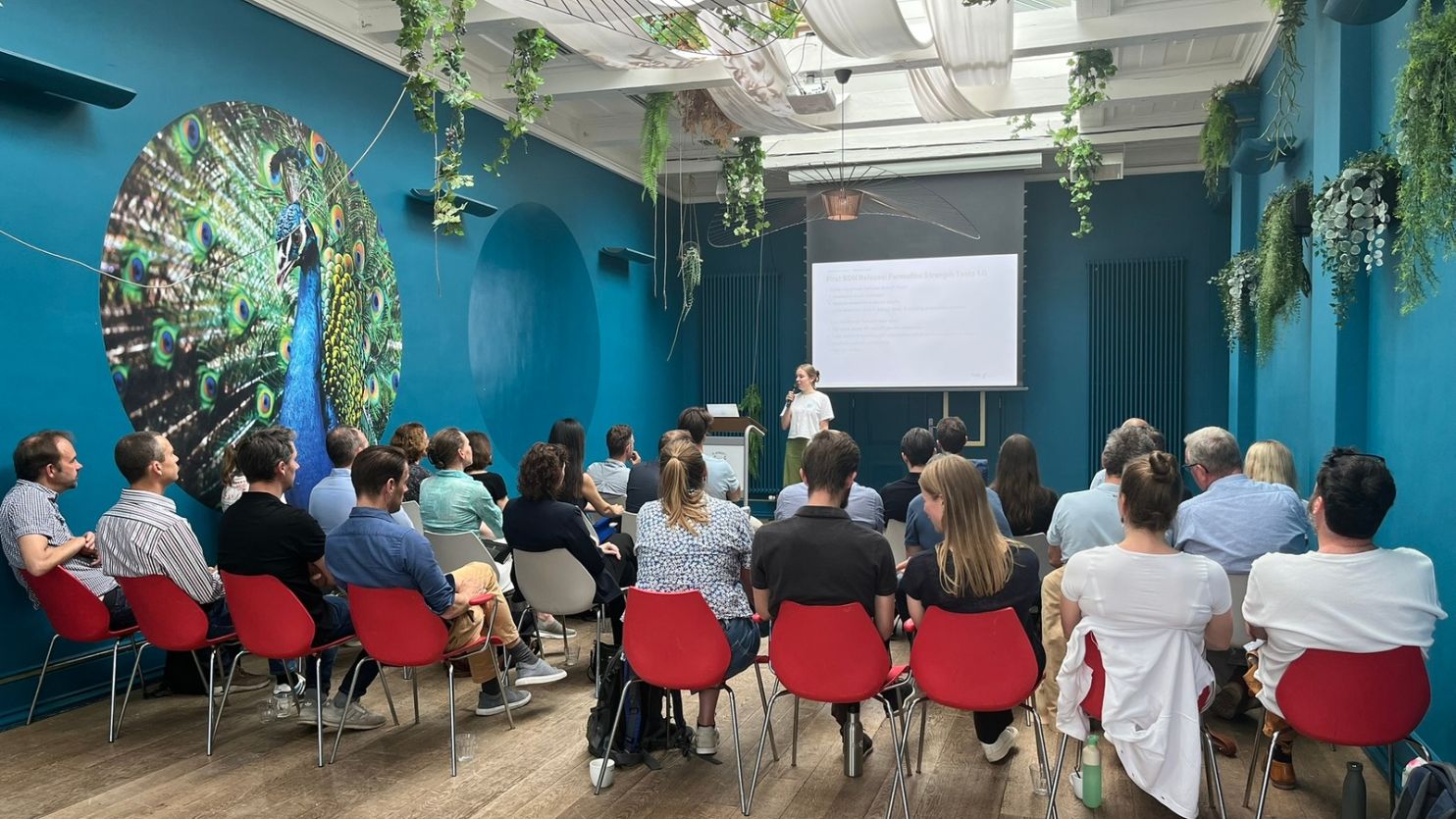
What makes the Stress Database Netherlands project unique is that we are developing it together with its users, creating a platform for knowledge exchange between operators, knowledge institutions and government. Twice a year, we organise a workshop for and with users, often focusing on a specific dataset. These workshops enable knowledge and expertise to be shared, while also allowing users to provide direct feedback on the format and content of datasets so that they better meet their needs, and to provide input on priorities. The workshops address specific topics, such as rock density and vertical stress in the subsurface.
A new or updated dataset is released around each workshop. This gives users rapid access to data tailored to their needs, without having to wait until the end of the project.
A shared picture of the subsurface
his creates an up-to-date and consistent picture of stress in the Dutch subsurface. Operators can use existing measurements and the associated interpretations to better substantiate their risk assessments for drilling, injection or storage. Regulators and policymakers gain a robust basis for consistently assessing activities and permit applications. Researchers can also use the data to better underpin their models.
Whether the application is oil and gas production, geothermal energy or CO2 storage, all require reliable information about how the subsurface responds to human activities. The database therefore connects knowledge gained from existing activities with the information needs of new subsurface projects.
After 2028, the database will transition to long-term management. We will periodically incorporate new data and insights and may further expand the database with other geomechanical data. We will also maintain and validate existing data. In this way, the Stress Database Netherlands will remain a sustainable national resource.
Would you like to help build the Stress Database?
Does your organisation have stress or pressure measurements, expertise in interpreting these data, or an interest in gaining more knowledge about them? The Stress Database Netherlands can only succeed if operators and other data providers participate. By sharing data, expertise and practical experience, you can help create a more complete and reliable picture of the subsurface. In return, your organisation will gain access to workshops, improved datasets, interpretations and products from the project, providing a stronger basis for well-founded risk assessments.
Do you also work in oil and gas, geothermal energy, CO2 storage, energy storage or salt extraction? Contact us to discuss the opportunities.
Contact us
-

Loes Buijze
Functie:Lead Scientist Theme Induced SeismicityInduced seismic events of magnitudes large enough to be felt or cause damage can be a concern for some subsurface activities. I work on understanding and mitigating such potential induced seismic events, from a multi-disciplinary angle.
-
Standplaats:Utrecht - Princetonlaan
-
Email:Email Loes
-
Get inspired
TNO and partners launch project to accelerate longduration energy storage in the Dutch energy system
New map reveals coastal resilience and vulnerability across Europe
Geology of the Netherlands: the wealth of knowledge under our feet
How fast did sea levels rise after the last ice age?
TNO presents new edition of 'Geology of the Netherlands'