Today's insights. Direction for tomorrow's system solutions
In a time of profound geopolitical, climate and economic change, the need to strengthen strategic autonomy is growing. The energy and materials transition plays a crucial role in this and has far-reaching implications for the economy, infrastructure and society. Affordable, reliable and clean energy and raw materials are essential for prosperity, resilience and well-being.
At the same time, this transition is complex, unpredictable and full of uncertainties. Grid congestion is slowing economic growth and decarbonisation efforts. Critical raw materials are becoming scarcer. Policies designed to accelerate the transition can stall due to a lack of public support. Technological solutions often fail to realise their full potential because they do not sufficiently align with market demand. Against this backdrop of complexity, the need for direction, system solutions and actionable insights continues to grow.
Stakeholders face complex strategic choices
Policymakers, network operators, businesses and other organisations are confronted with difficult strategic decisions throughout the transition.
- How can national governments make informed, evidence-based decisions to transform the energy system into one that is sustainable, fair, affordable and strategically autonomous?
- How can energy policies be designed in a way that earns public support?
- How can costly grid reinforcement be avoided by making better use of existing network capacity?
Local authorities and provinces want to accelerate sustainability while maintaining economic growth within their regions.
- How can residents be actively involved in the energy transition?
- How can energy communities become a successful part of the energy system?
- How can business parks continue to expand despite grid congestion?
The transition to a net-zero energy system requires fundamental changes in roles and responsibilities, contractual arrangements and market models.
- How can successful partnerships with provinces be established to develop heat networks?
- How can investments be avoided that may become redundant later in the energy transition?
Many businesses are already working actively to reduce emissions but are constrained by grid congestion and inconsistent policy frameworks.
- How can both large companies and SMEs be successfully engaged in the energy transition?
- Which barriers need to be addressed to safeguard the competitiveness of Dutch industry?
- How can businesses ensure that their energy-transition innovations align with market demand?
Shaping the energy system of the future together
We see a future-proof energy system that delivers affordable, reliable and clean energy as a prerequisite for prosperity, resilience and well-being in the Netherlands.
This is what drives TNO to help clients shape the Energy System of the Future and work together towards a clean and competitive industry.
Actionable insights for a sustainable and resilient society
TNO helps guide and accelerate today’s major system transitions by providing insights that enable integrated, high-impact system solutions.
The energy and materials transition requires systems thinking and collaboration. It calls for coherent decisions on energy sources, raw materials, infrastructure and land use. These decisions have a direct impact on our economy and society. TNO helps clients make informed choices based on scientifically grounded insights.
A powerhouse of multidisciplinary expertise
Through its expertise in system solutions for the environment and society, TNO offers a unique combination of multidisciplinary knowledge, extensive experience in the energy transition, and advanced tools and models.
We distinguish ourselves through:
- The synergy of three powerful areas of expertise
- Balanced, science-based insights into technology, people and society
- The ability to bring together government and market stakeholders
This unique combination enables us to support policymakers and industrial decision-makers with:
- Integrated system analyses and robust future scenarios
- Evidence-based transition pathways towards the Energy System of the Future
- Insights into distributional impacts that support an inclusive and just energy transition
- Behavioural insights that increase the effectiveness and public acceptance of policies, business strategies, products and services
In doing so, we provide clients with greater control over the transition and concrete guidance for policy and strategy development. Our work is built around four pillars.
Sustainable and circular transition pathways
Our strength lies in helping policymakers and industrial decision-makers address complex transition challenges.
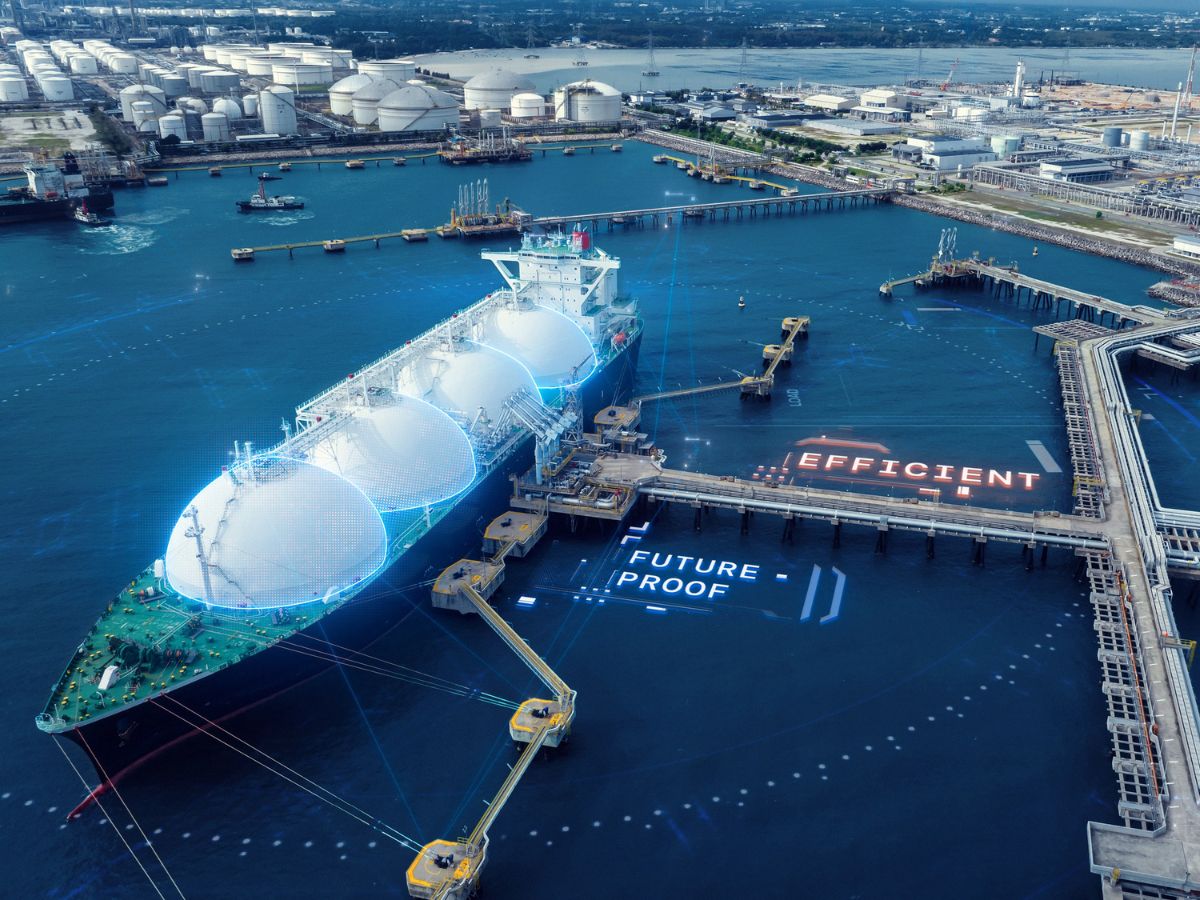
Through clear transition pathways, we help organisations become more resilient and economically stronger in the future. We combine deep multidisciplinary expertise in energy carriers, mobility, chemical processes and refining with intensive collaboration across governments, European institutions, sector organisations, industry partners and knowledge institutes.
Net zero energy systems
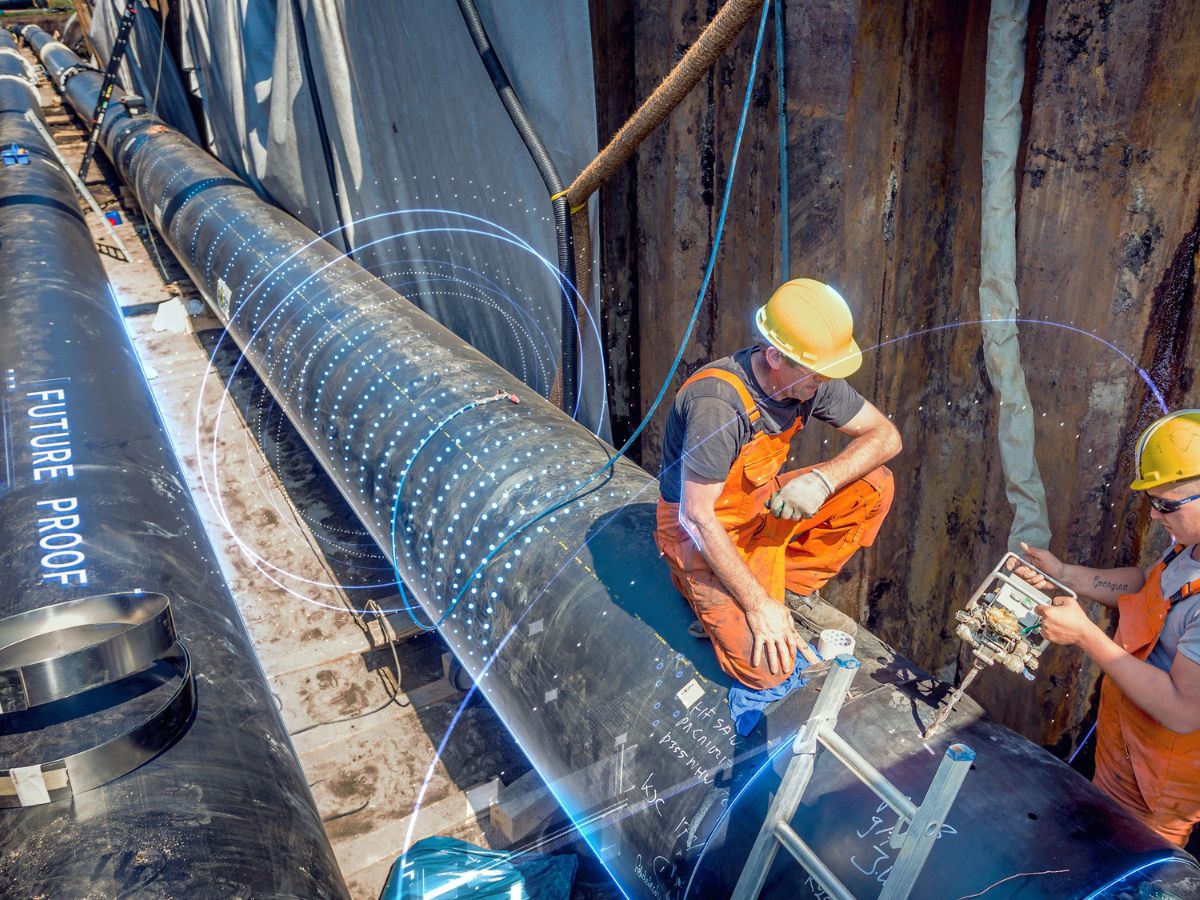
At TNO, we are committed to contributing to a future-proof energy system that is sustainable, fair, affordable and resilient. We do this by supporting governments, businesses, industry and citizens. Through scientifically grounded insights, models and tools, we provide our clients with clear perspectives for action.
In doing so, we consider not only technical feasibility and economic performance, but also spatial impacts, energy poverty and strategic autonomy.
Behavioural and social transition
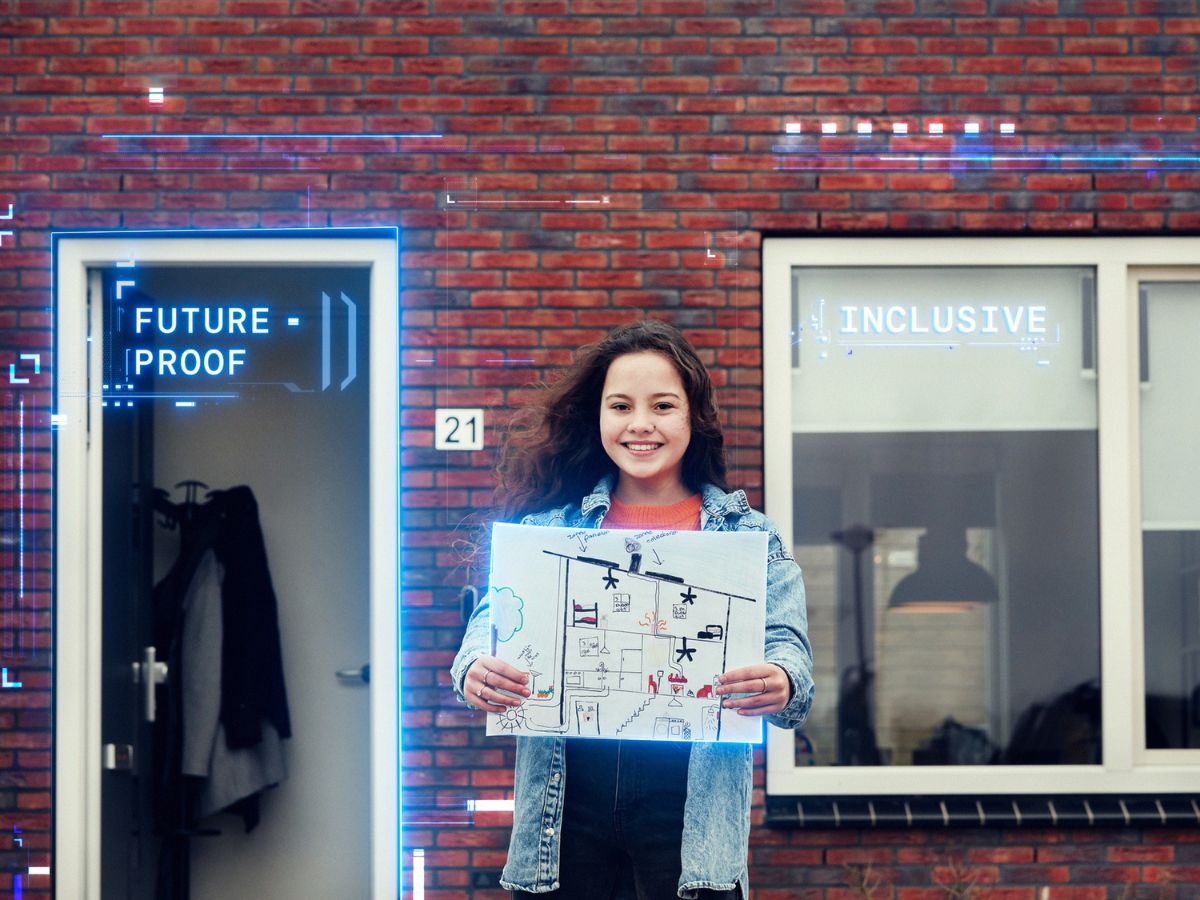
The way people live their lives is an important factor in the energy transition. Our behavioural scientists conduct ongoing research from a human-centred perspective into how lifestyle changes can contribute to this transition. We explore what motivates people and what barriers they encounter when adopting more sustainable behaviours.
What makes TNO unique is the close collaboration between our behavioural scientists and experts in energy, ICT, economics, the built environment, mobility and other disciplines. By combining expertise from these different fields, we work towards a resilient society and an affordable energy transition for all.
Climate and air quality
At TNO, we measure and model greenhouse gas emissions, air pollution and reactive nitrogen, including emission sources, source contributions and deposition. We translate these insights into practical, legally robust policy, monitoring and enforcement frameworks, as well as packages of measures with realistic timelines and clear KPIs, helping to deliver demonstrable improvements in public health, nature and transition outcomes.

TNO makes transition choices actionable and deliverable
Clients value TNO’s objective position and its ability to provide scientifically robust, direction-setting insights. These insights help policymakers and decision-makers navigate the early stages of policy development and innovation with confidence.
This enables resources to be deployed efficiently, risks to be managed strategically and outcomes to be assessed objectively.
With many years of experience in behavioural research related to the energy transition, TNO has built a strong knowledge base. We were among the first organisations to put energy poverty on the agenda and to map the challenges of the heat transition.
Our social science expertise is combined with technological knowledge and insights into systems and infrastructure, a combination that is essential for addressing the challenges of the energy transition.
We know how to connect diverse stakeholder groups to support the successful implementation of innovation.
TNO also plays a unique role as an active stakeholder in many innovation ecosystems. This helps accelerate adoption and reduces dependence on individual clients to drive implementation.
We are not consultants operating at a distance; we are knowledge partners who help build effective solutions.
We conduct research, develop solutions and test them in practice. We create practical tools such as the Heat Profile Generator and the Spatial Energy Explorer, making strategic choices tangible and actionable.
By delivering not only reports but also effective, implementable solutions, we ensure that our work closely aligns with our clients’ needs.
Contact us
-

Kemo Agovic
Functie:Director division System Solutions & EnvironmentThe System Solutions & Environment (SSE) division works on system solutions for urgent societal challenges in the energy and materials transition.
-
Standplaats:Utrecht - Princetonlaan
-
Email:Email Kemo
-
-

Erlend Deckers
Functie:Market Manager System Solutions & EnvironmentErlend has over 15 years' experience in business and sales development, fulfilling account management and sales management roles in challenging business-to-business and business-to-government environments.
-
Standplaats:Utrecht - Princetonlaan
-
Email:Email Erlend
-
LinkedIn:Erlend on LinkedIn
-
Get inspired
Energy sharing

Collaborative EMS Programme explores pathway to a smart and people-centred energy system

Knowing where a signal comes from: airborne eDNA meets wind modelling
Business sustainability
International beyond Europe