Translational preclinical efficacy models
TNO delivers well-validated translational models in tailor-made study designs, developed to answer your preclinical research questions in metabolic, cardiovascular, liver, kidney, muscle, brain, and fibrotic diseases. Beyond our established portfolio, we offer co-development of new models and innovative technologies that address emerging scientific challenges.
Explore our preclinical services by disease area:

Atherosclerosis
Accelerate atherosclerosis drug development with TNO’s translational preclinical research. Validated models, cardiovascular expertise and histopathology.
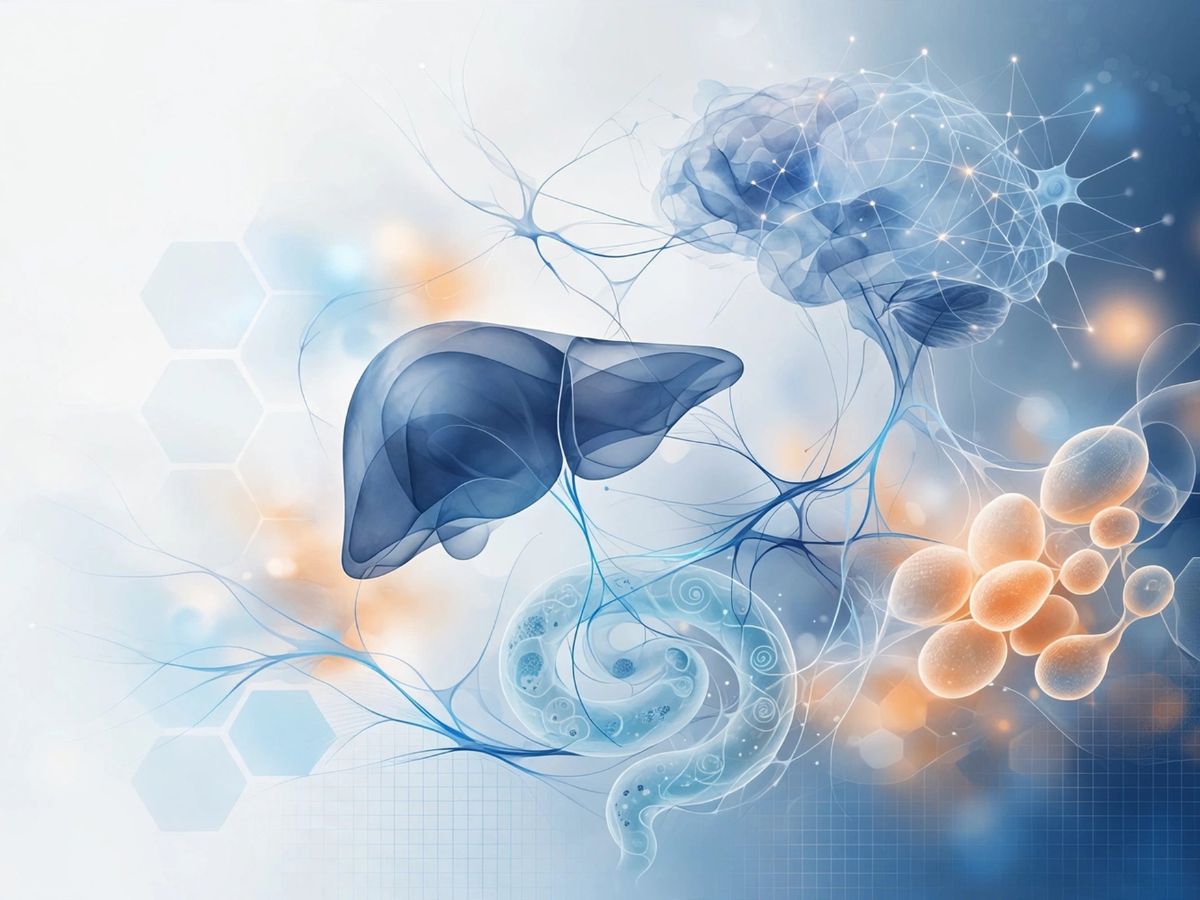
Obesity
Advance obesity drug development with TNO’s translational Ldlr−/−.Leiden mouse model. Generate clinically relevant, multi-organ efficacy data with AI-supported analysis that closely aligns with human outcomes.
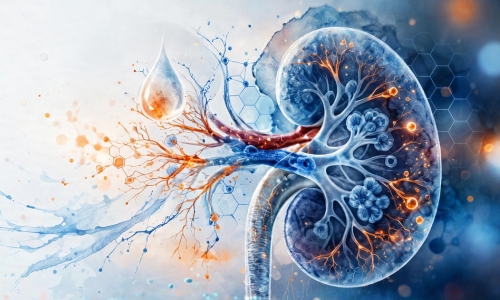
Diabetic kidney disease
Accelerate DKD and CKD drug development with TNO’s translational mouse model, enabling robust evaluation of therapeutic efficacy across metabolic, renal and cardiovascular disease stages.
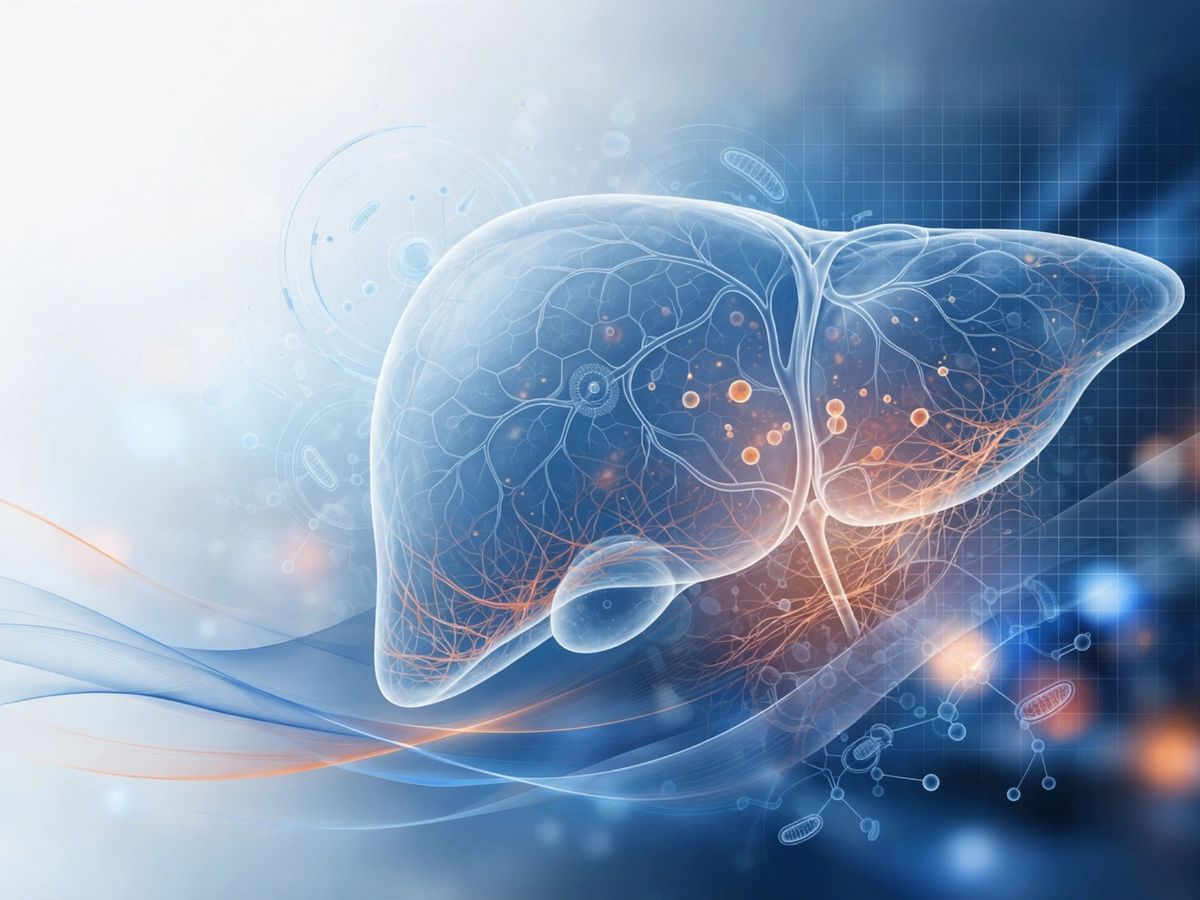
MASH and liver fibrosis
TNO specialises in highly translational preclinical MASLD/MASH research, supporting the development and evaluation of novel therapeutic compounds.
Bridging the gap between preclinical discovery and clinical success
The growing prevalence of obesity, MASLD, cardiovascular disease, diabetic kidney disease, sarcopenia and neurodegenerative disorders is driving demand for more effective therapies. However, translating promising preclinical findings into successful clinical outcomes remains a significant challenge.
Predictive models for better decision-making
Preclinical models often fail to capture the complexity of human disease biology. As a consequence, promising drug candidates may fail due to lack of efficacy or safety concerns that more predictive models could have identified much sooner. The result is costly late-stage failures, delayed decisions, and missed opportunities for patients. Improving the translational relevance of preclinical research is one of the most effective ways to accelerate decision-making, reduce development risk, and bring new therapies to patients faster.
That is the gap TNO helps to close. Decades of research have enabled us to develop translational models that bridge the gap between preclinical research and clinical reality. By providing robust insights into efficacy, safety, and mechanisms of action, we help you advance promising therapies with greater confidence and efficiency.
How we work
We help pharma, biotech, and academic partners bridge the gap between exploratory research and clinical application. Four principles guide every study:
- Predictive power. Our models are validated against human data and benchmarked against clinical readouts, increasing confidence that preclinical findings will translate to the clinic.
- Mechanistic understanding. We look beyond descriptive endpoints to uncover biological pathways, disease drivers, and functional biomarkers that explain how and why a treatment works.
- Tailor-made study designs. Every research question demands a different approach. We design each study around your objectives, combining the right models, read-out technologies, and analytical approaches.
- Co-development and innovation. We work closely with partners to develop novel disease models, while integrating emerging technologies such as digital pathology and advanced omics.
Our services
A comprehensive portfolio of translational efficacy models across metabolic, cardiovascular, liver, kidney, muscle, neurodegenerative and fibrotic diseases, each designed to deliver quantitative, decision-ready insight.
- Atherosclerosis (cardiovascular disease)
- Brain
- Fibrosis
- Kidney
- Liver (MASLD/MASH)
- Muscle
- Obesity
- In vitro assays
- Combined ex vivo and computational approaches
Explore our technologies
Our preclinical disease models are supported by dedicated technology platforms that provide deeper mechanistic insights and quantitative readouts. Discover how these advanced technologies can complement and strengthen your study data.
Spatial Mass Spectrometry
Maps molecular signatures directly within tissues, providing spatially resolved insight into disease mechanisms.
HistoSuite: AI-powered histopathology
Delivers standardised, AI-driven quantification of tissue pathology.
14C-pulse-chase technology
Translational and mechanistic evidence for drug efficacy.
Contact us
-

Robert Ostendorf
Functie:Senior Business Development Manager translational pharmaceutical researchI am passionate about TNO’s unique expertise in translational (preclinical) research. My work focuses on efficacy, ADME/DMPK and target safety of new pharmaceutical interventions, with special interest in cardiovascular, metabolic and fibrotic diseases, and biomarker research.
Looking for contract research support, or see opportunities for collaboration? Please, reach out.
-
Standplaats:Leiden - Sylviusweg
-
Email:Email Robert
-
LinkedIn:Robert on LinkedIn
-
-

Simon Folkertsma
Functie:Business Developer Biomedical Health-
Standplaats:Leiden - Sylviusweg
-
Email:Email Simon
-
-

Geurt Stokman
Functie:Proposition manager Efficient Drug Development-
Standplaats:Leiden - Sylviusweg
-
Email:Email Geurt
-
Get inspired
TNO launches Peregrion to boost market impact of its technology that accelerates medicine development
TNO and Janssen sign intention to develop new collaborations